
Why F1 Races Get Shorter in 2027, and How the 305km Rule Came to Be
Formula 1 races will become shorter in 2027, with the standard distance falling from 305km to 290km. That means most Grands Prix will lose two or three laps, depending on the circuit.
The change is tied to planned fuel-flow adjustments in the 2027 power-unit rules. F1 will allow more fuel to flow through the engines, which means cars need more fuel to finish a race. Teams designed their 2026 fuel tanks around the current rules and want to avoid building new chassis.
That created a problem for teams planning to carry over their existing cars. Officials first considered cutting selected races, but different distances risked turning some events into fuel-saving runs. Instead, they agreed to reduce almost every Grand Prix to the same 290km target.
The engine changes will also shift the balance between electric and combustion power. In 2027, combustion power will provide 58% of the total, while electric power will provide 42%. Fuel flow will increase by 5%, before another increase in 2028 moves the split to 60-40.
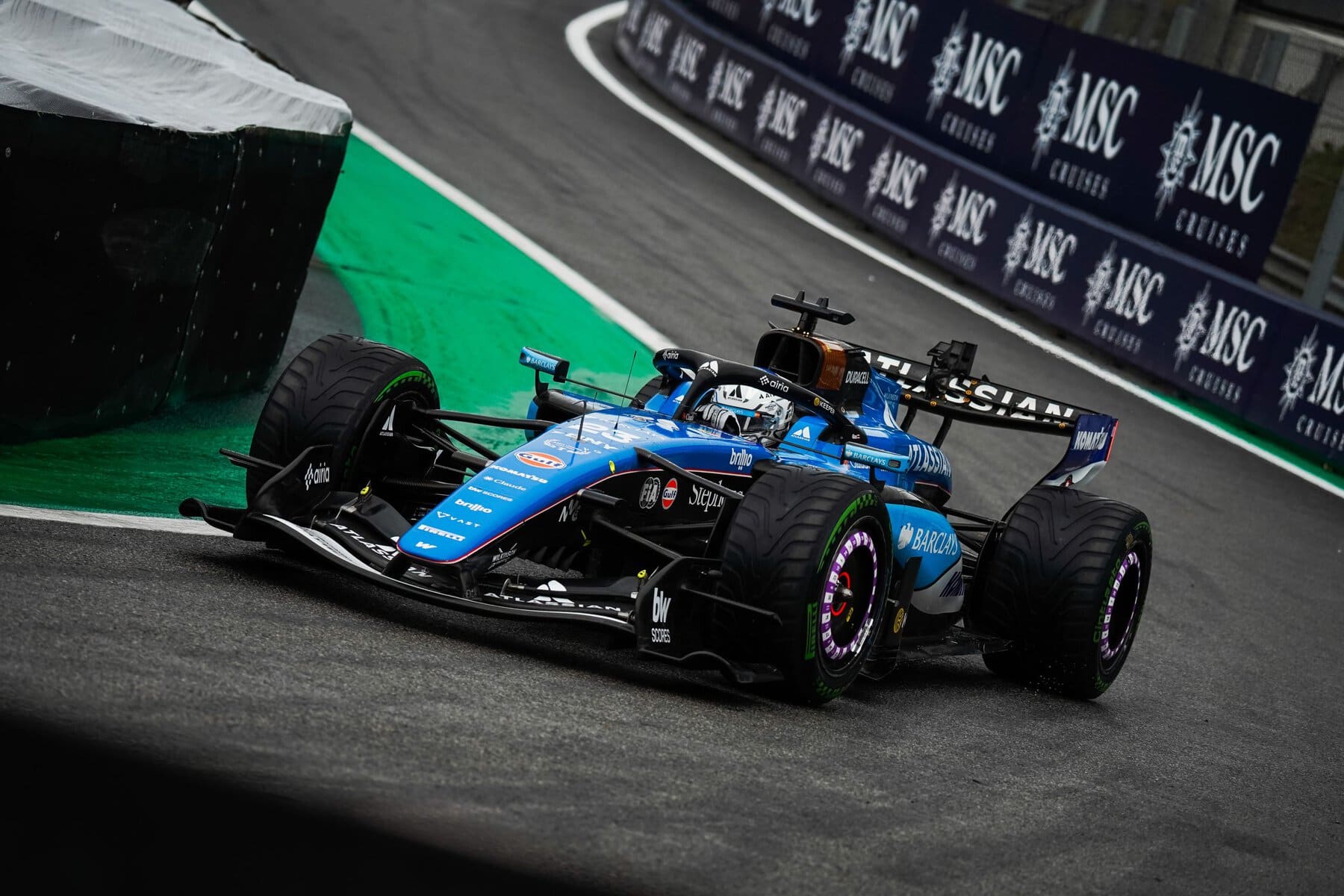
The change will only last for one season. The FIA’s published regulations already set the standard distance back at 305km for 2028. Monaco will keep its separate 260km distance.
How the 305km Rule Came to Be in F1
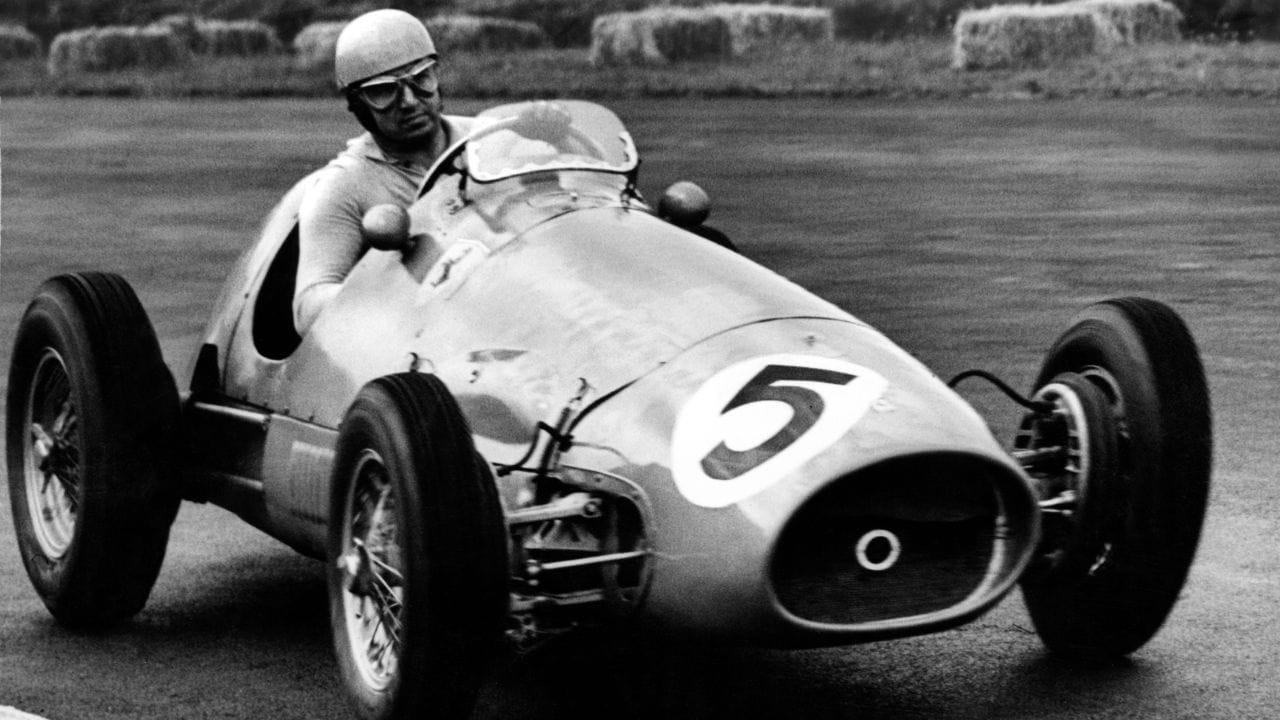
F1 did not always follow one fixed race distance. From 1950 to 1957, races had to cover more than 300km or run for three hours. The rules changed again in 1966, when race distances were set between 300km and 400km.
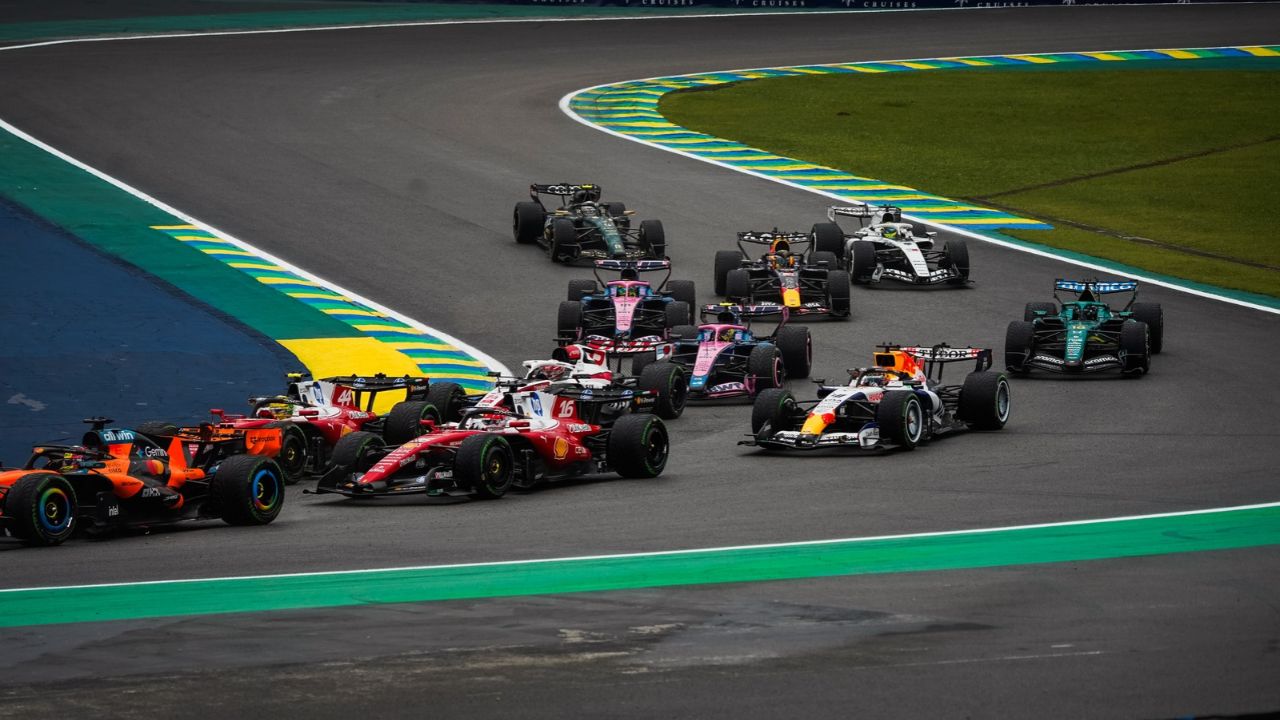
In 1971, the maximum distance was cut to 321.87km, or 200 miles. The 305km standard arrived in 1989, setting the race length fans came to know. Since then, Grands Prix have used the fewest complete laps needed to exceed 305km.
The distance rule has also had to work across very different circuits. A lap at a short track covers far less ground than a lap at a long one, so each Grand Prix needs a different lap count. The distance target gives the championship one shared standard, even when the number of laps changes from race to race.
The 2027 change shows how closely race distances remain tied to technical rules. Fuel flow, tank size, and car design have always helped decide how much racing fans get to watch.
Other Changes Coming to F1 in 2027
The 2027 season will bring more changes beyond the shorter race distance. The FIA has also agreed to changes affecting race delays, practice sessions, and gearbox development.
Races disrupted by rain or other delays will follow a new hard stop time. The current three-hour limit, which includes interruptions, will be removed. However, the limit of two hours of actual racing will remain.
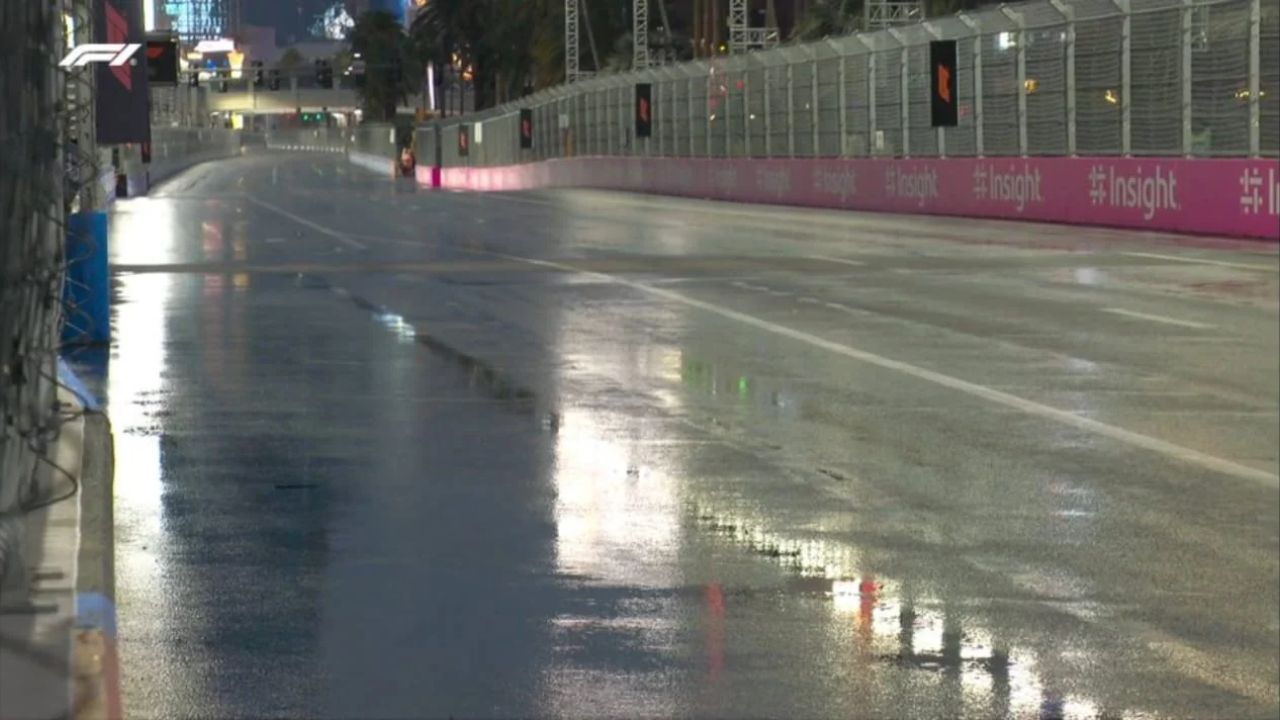
Race control will also have more freedom to extend practice sessions after interruptions. This should give teams more time on track when delays affect their running. Gearbox homologation will also be removed for 2027. This will give gearbox suppliers more freedom to develop their designs.
The FIA will also begin bringing in full-time stewards during the 2027 season. They will work alongside existing officials, with the aim of improving consistency in race decisions.
The Sprint calendar will additionally grow from six events to ten. Portugal and Turkey will also return, while the championship will keep its 24-race schedule across 22 countries.
More F1 Reading
- Lewis Hamilton vs Charles Leclerc Salary: Who Earns More at Ferrari, How Much Do They Earn Outside F1?
- From Stopwatches to Transponders and Timing Loops: How Formula 1 and TAG Heuer Mastered the Art of Timekeeping
- Why Istanbul Park’s Turn 8 Still Unnerves F1 Drivers
- How F1 Super Licence Points Work, and Why 40 Is the Magic Number
Comments
More in News

‘I Have Nothing to Say’: Max Verstappen Extends Olive Branch to George Russell Over Vegas Feud

George Russell Praises Lewis Hamilton’s ‘Grace and Dignity’ Over Max Verstappen Amid Ongoing Feud

From Red Bull’s $7 Million Public Fine to Williams’ Secret Penalty: How FIA Rewrote Cost Cap Playbook
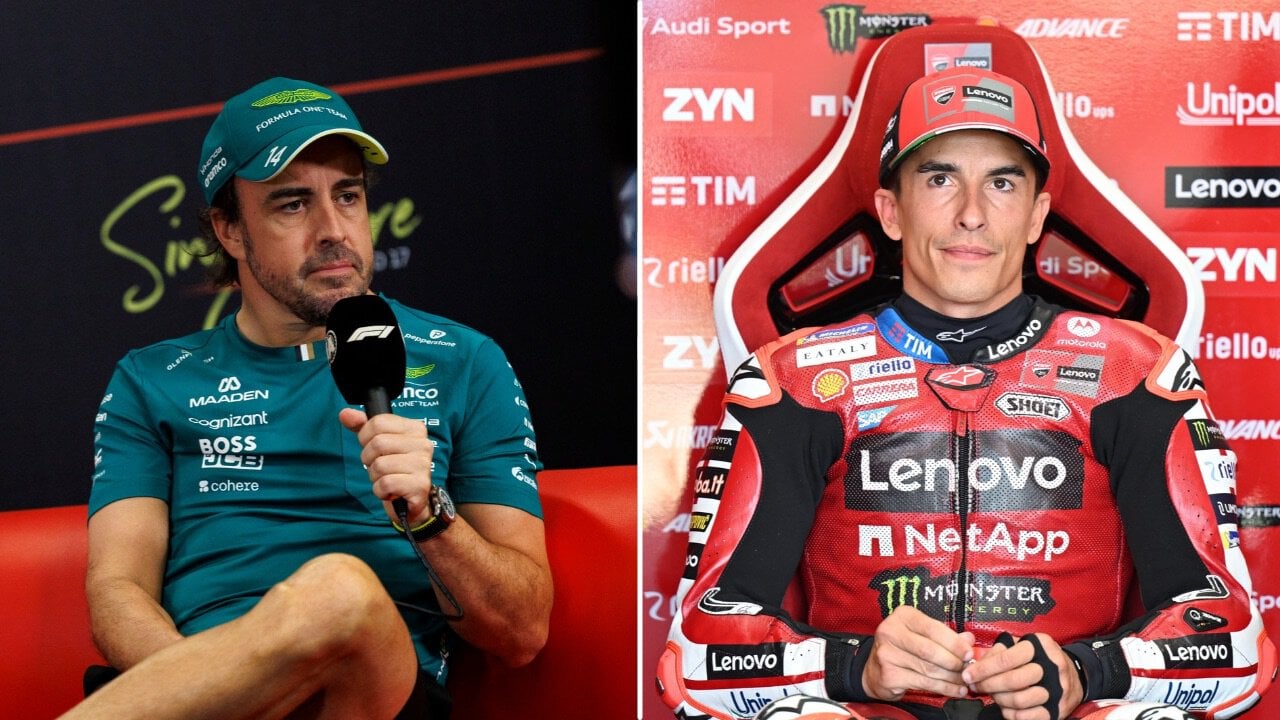
Fernando Alonso Pens Heartfelt Note as Marc Marquez Announces Retirement From MotoGP