
From Red Bull’s $7 Million Public Fine to Williams’ Secret Penalty: How FIA Rewrote Cost Cap Playbook


Formula 1 introduced the cost cap to control team spending and establish a level playing field. However, the FIA’s handling of financial breaches has raised questions about transparency.
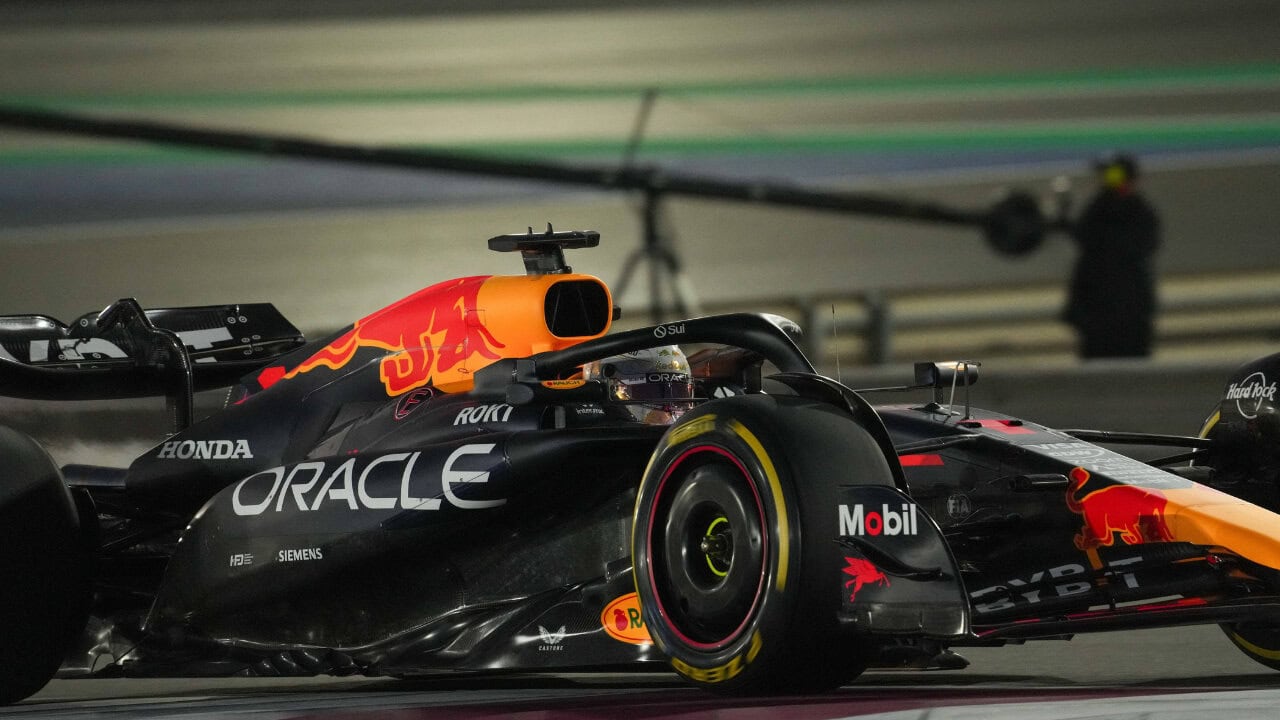
In 2022, Red Bull received a public $7 million fine for exceeding the spending limit in the 2021 season. In November 2026, Williams faced a financial penalty for its 2025 breach, but the FIA did not disclose the amount.
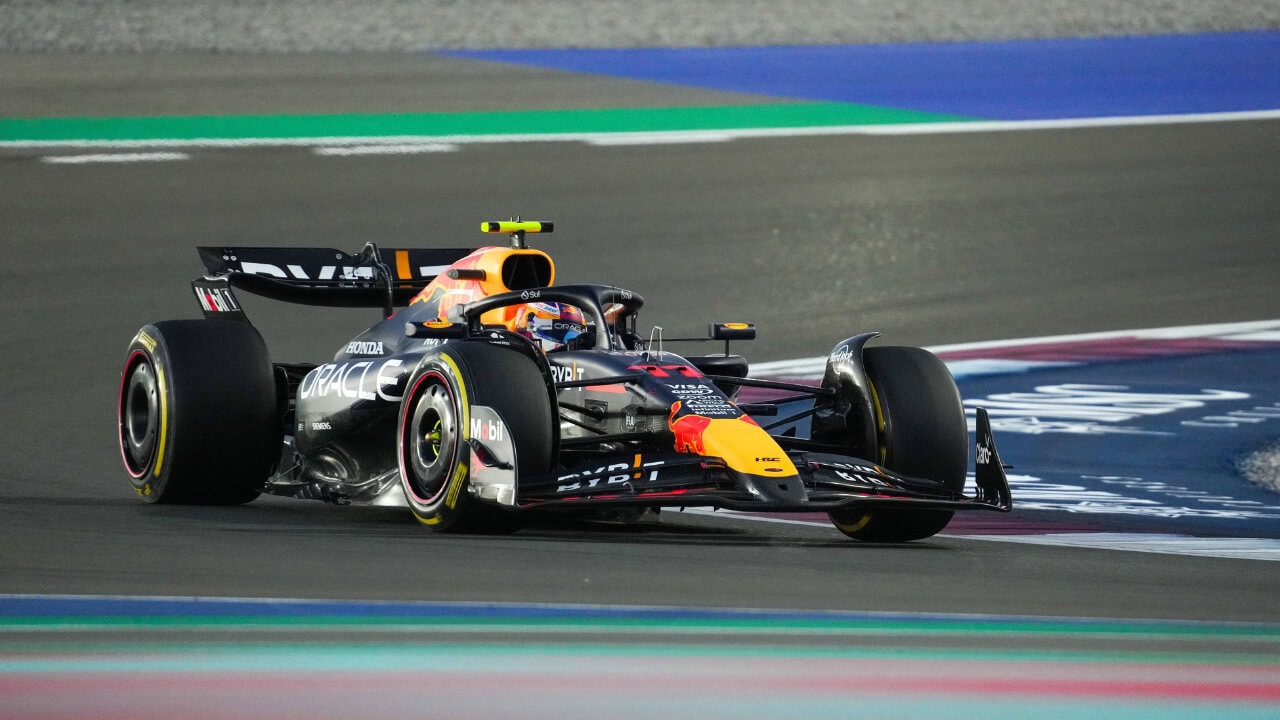
The difference between these cases is particularly noticeable because both teams committed minor overspend breaches. While Red Bull’s punishment was announced with a clear financial figure, Williams’ undisclosed financial sanctions left fans without the same level of detail.
A comparison of their spending violations and sporting penalties also reveals how the FIA handled the two incidents.
Red Bull’s $7 Million Fine Became Public in 2022
Christian Horner questioned the complexity of the financial regulations after Red Bull received its punishment. The team principal said: “I think we have 52 pages of financial regulations and anybody who’s read them… there are elements that are open to interpretation.”

His comments referred to disagreements over expenses that Red Bull believed should not have counted towards the spending limit. However, the FIA reached a different conclusion after reviewing the team’s financial records.
The investigation concerned Red Bull’s 2021 spending, when the budget cap stood at $145 million. The FIA initially found that the team exceeded the limit by 1.6%, resulting in a minor overspend breach and a procedural breach.
However, the governing body acknowledged that applying the tax credit correctly would have reduced the excess to 0.37%.
On October 28, 2022, Red Bull entered into an Accepted Breach Agreement (ABA) and agreed to pay $7 million. The team also received a 10% reduction in its aerodynamic testing allowance for 12 months.
This affected its wind tunnel and Computational Fluid Dynamics (CFD) testing, which teams use to develop their cars.
Horner described the sporting sanctions as a major setback, dubbing them “draconian.”
Williams’ Financial Penalty Remains Undisclosed
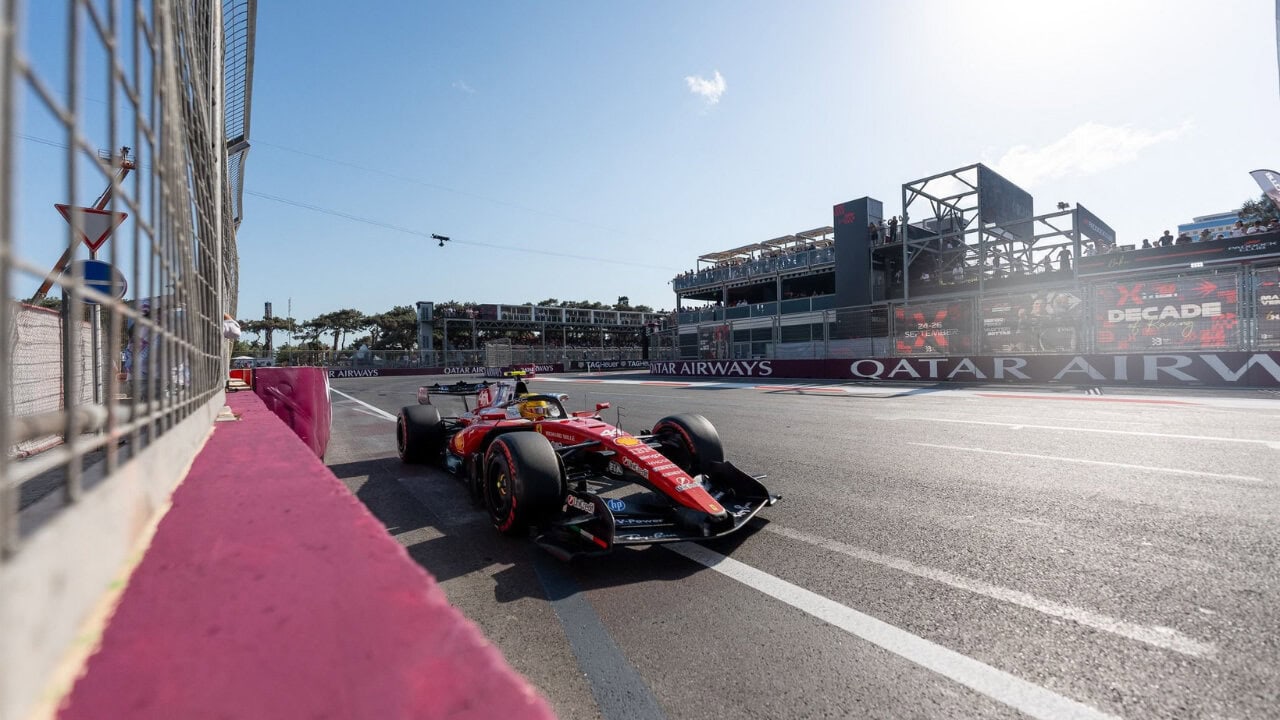
Williams’ case relates to its financial reporting for the 2025 season. On November 25, 2026, the FIA confirmed that the team had committed a minor overspend breach and a procedural breach.
The investigation found that Williams exceeded the $135 million spending limit by approximately $822,000, representing 0.48% of the permitted budget.
The team attributed the excess to administrative expenses incurred during the change in its company structure. Williams believed these costs were outside the spending limit, as explained in its official statement: “We believed these costs fell outside of the cap.”
Following discussions with the FIA, the team accepted that the expenses should have been included in its financial submission.
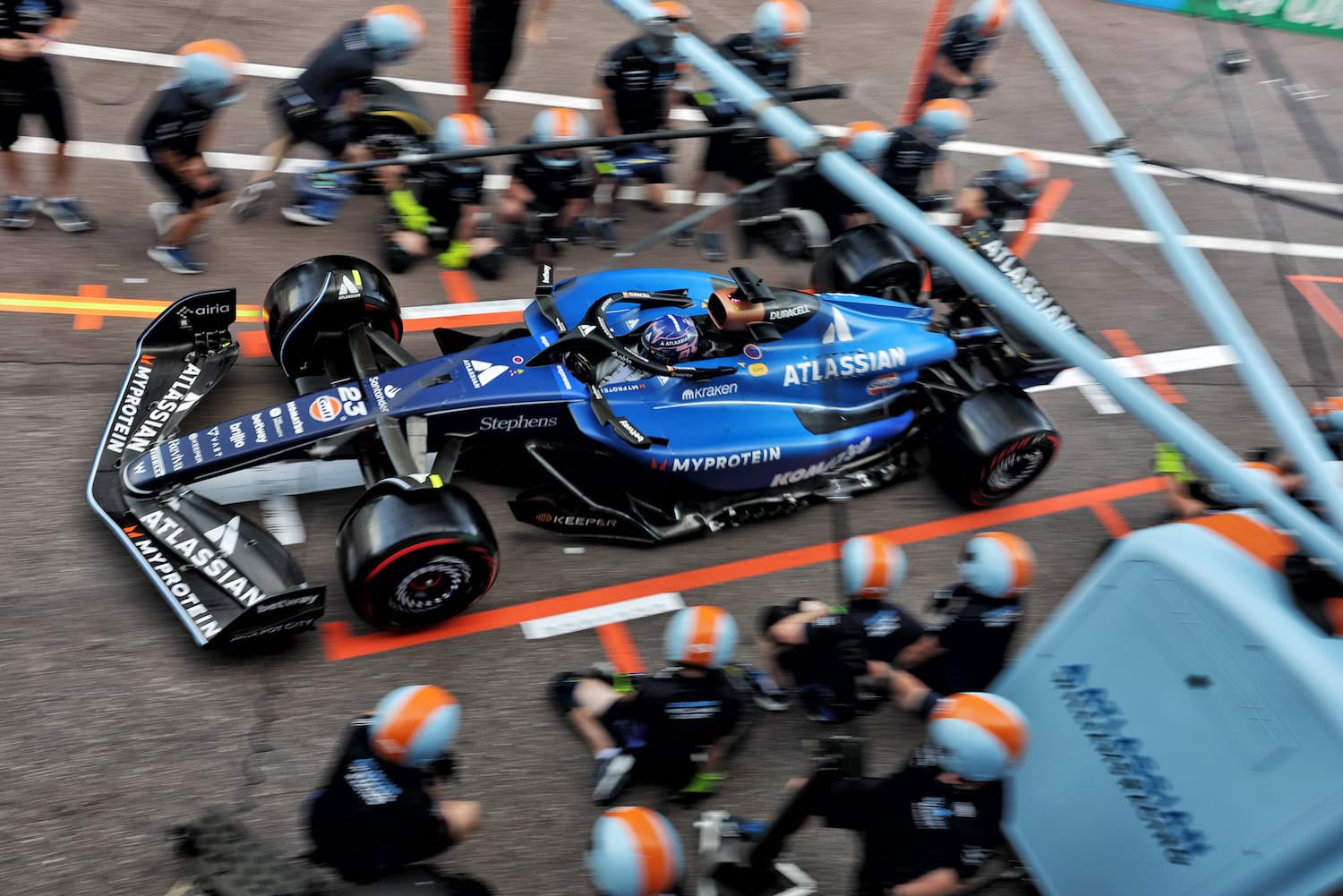
Williams agreed to pay a financial penalty and accept a 1.5% reduction in its wind tunnel and CFD testing allowance for the next 12 months. However, the FIA did not publish the exact amount of the fine in its public summary.
The governing body also acknowledged that Williams cooperated throughout the investigation. Its findings stated: “There is no evidence that WGPE gained or sought to gain any advantage (sporting or otherwise) from the identified breaches.”
This clarification established that the FIA found no evidence of a competitive benefit from the overspending. However, the undisclosed fine still makes it difficult for supporters to assess the financial consequences.
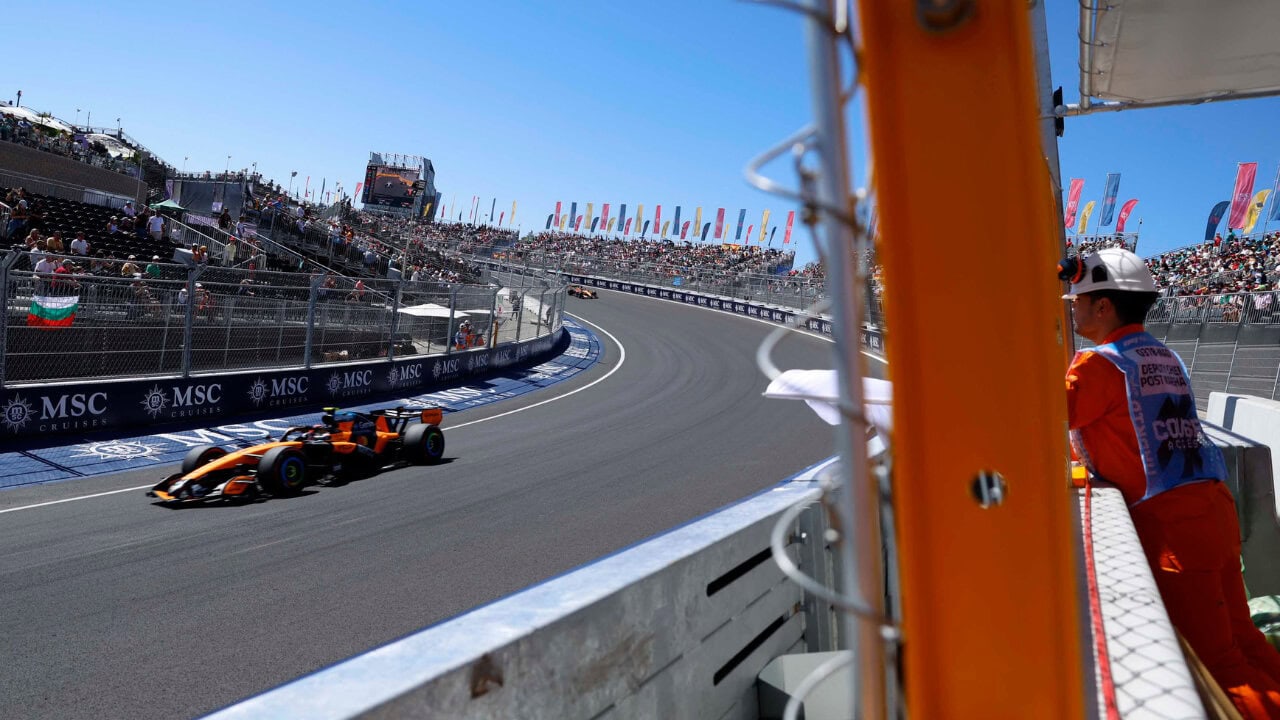
Red Bull vs Williams: Whose Punishment Was Harsher?
The overspending figures provide a clear starting point for comparison. Red Bull’s original breach was 1.6% above the 2021 limit, while Williams exceeded its 2025 cap by 0.48%. After the tax-credit adjustment, Red Bull’s excess remained at 0.37%.
Both violations fell within the FIA’s minor overspend category, which covers spending up to 5% above the permitted limit.
However, their sporting penalties are vastly different. Red Bull received a 10% reduction in its aerodynamic testing coefficient, while Williams received a 1.5-percentage-point reduction in its testing allowance.
FIA’s Cost Cap Enforcement Needs Transparency
The two cases highlight an important issue with the FIA’s public communication. Accepted Breach Agreements allow teams to settle financial violations through agreed penalties, but fans should still receive enough information to understand the outcome.
The FIA does not have to impose identical punishments for every minor breach. However, publishing financial sanctions would make its decisions easier to assess and reduce questions about inconsistent and biased treatment.
More F1 Reading
- ‘I Have Nothing to Say’: Max Verstappen Extends Olive Branch to George Russell Over Vegas Feud
- George Russell Praises Lewis Hamilton’s ‘Grace and Dignity’ Over Max Verstappen Amid Ongoing Feud
- Fernando Alonso Pens Heartfelt Note as Marc Marquez Announces Retirement From MotoGP
- Fact Check: Did Kim Kardashian Oblige Lewis Hamilton’s Request To Remove Implants and Reverse BBL?
Comments
More in News

‘I Have Nothing to Say’: Max Verstappen Extends Olive Branch to George Russell Over Vegas Feud

George Russell Praises Lewis Hamilton’s ‘Grace and Dignity’ Over Max Verstappen Amid Ongoing Feud

Fernando Alonso Pens Heartfelt Note as Marc Marquez Announces Retirement From MotoGP

Fact Check: Did Kim Kardashian Oblige Lewis Hamilton’s Request To Remove Implants and Reverse BBL?
