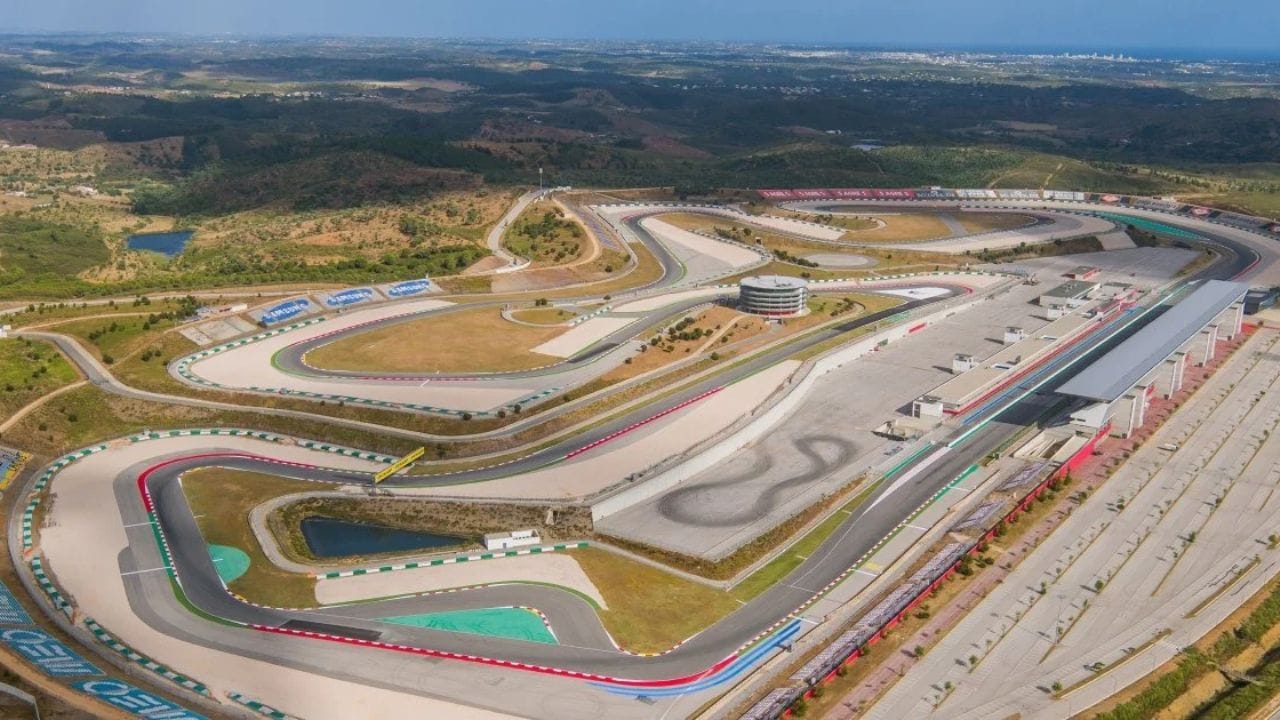
Why Istanbul Park’s Turn 8 Still Unnerves F1 Drivers
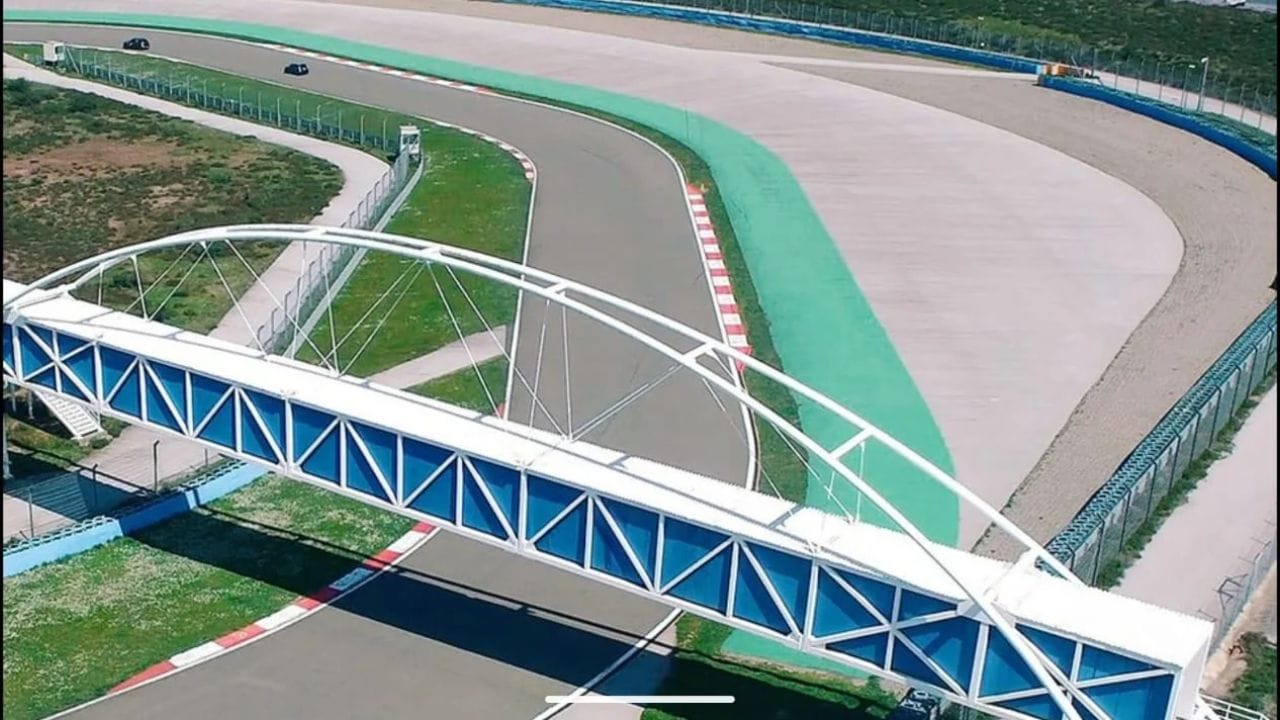

As F1 prepares to return to Istanbul Park in 2027 for the Turkish Grand Prix, attention will once again return to Turn 8, the circuit’s defining corner and one of the most demanding sequences in modern racing. The sweeping left-hander is approximately 640 meters long and features multiple apexes, requiring drivers to commit at exceptionally high speeds while maintaining precision throughout its extended arc.
Unlike a conventional corner, where braking and acceleration define the challenge, Turn 8 at Istanbul Park tests a driver’s ability to sustain speed, balance and control under prolonged lateral load.
The numbers explain its reputation. During the circuit’s previous era, cars entered the corner at more than 260 km/h and took approximately 8.5 seconds to negotiate it. Peak lateral forces reached around 5G, with drivers experiencing sustained loads of approximately 4.5G.
That physical demand is compounded by the need to remain accurate across several connected apexes. A mistake early in the sequence can compromise the racing line through the remainder of the corner and cost momentum onto the following straight.
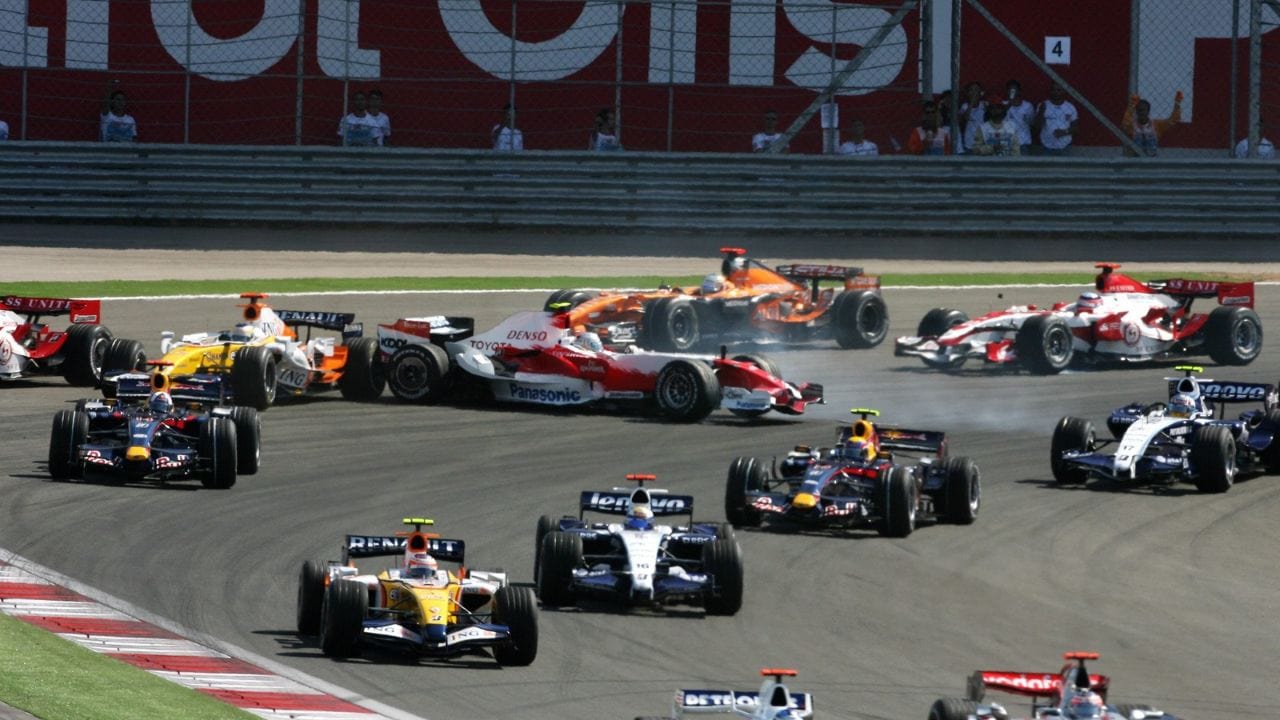
Turn 8 also presents a significant engineering challenge, particularly when balancing aerodynamic performance against mechanical stability. Teams need sufficient downforce to keep the car planted through the high-speed sweep, but cannot sacrifice too much straight-line efficiency on Istanbul Park’s long back straight.
The circuit’s elevation changes and uneven surface add another layer of unpredictability. Felipe Massa, a three-time Turkish Grand Prix winner, previously highlighted a bump within Turn 8 that could unsettle the rear of the car if a driver became too aggressive. This makes commitment essential, but excessive aggression can quickly become costly.
F1 Drivers Have Their Say on Istanbul Park’s Turn 8
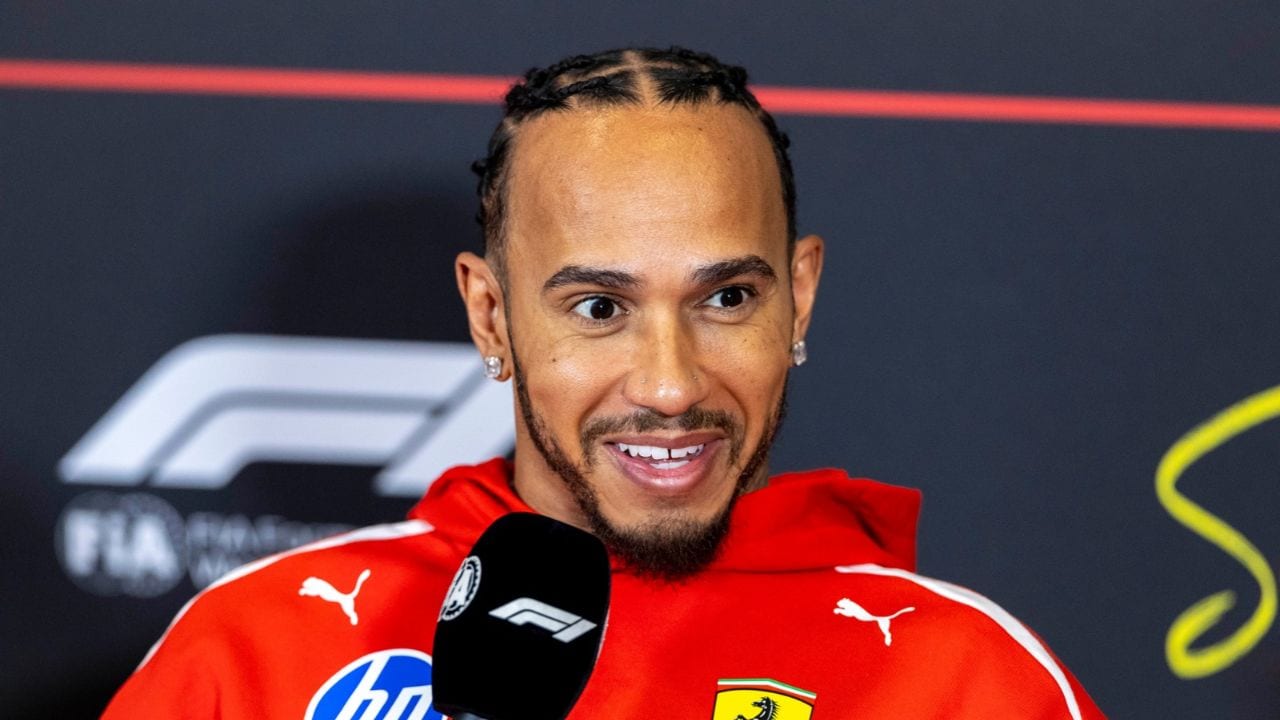
For Lewis Hamilton, Turn 8’s appeal lies in the combination of speed, precision and commitment required to get through it successfully. Reflecting on the corner, the seven-time world champion described it simply as “a great corner,” before explaining that drivers must enter at high speed, build lateral G-forces and maintain the correct racing line.
Romain Grosjean, who had experienced the circuit in GP2 but had not raced there in F1 at the time, anticipated an especially demanding challenge for the contemporary cars. “Turn 8 is really going to be a ‘moment’ in today’s cars,” he said, pointing to the substantial G-forces drivers would have to manage.
His prediction captured the uncertainty surrounding how much speed the newer generation of cars could carry through the sweeping left-hander.
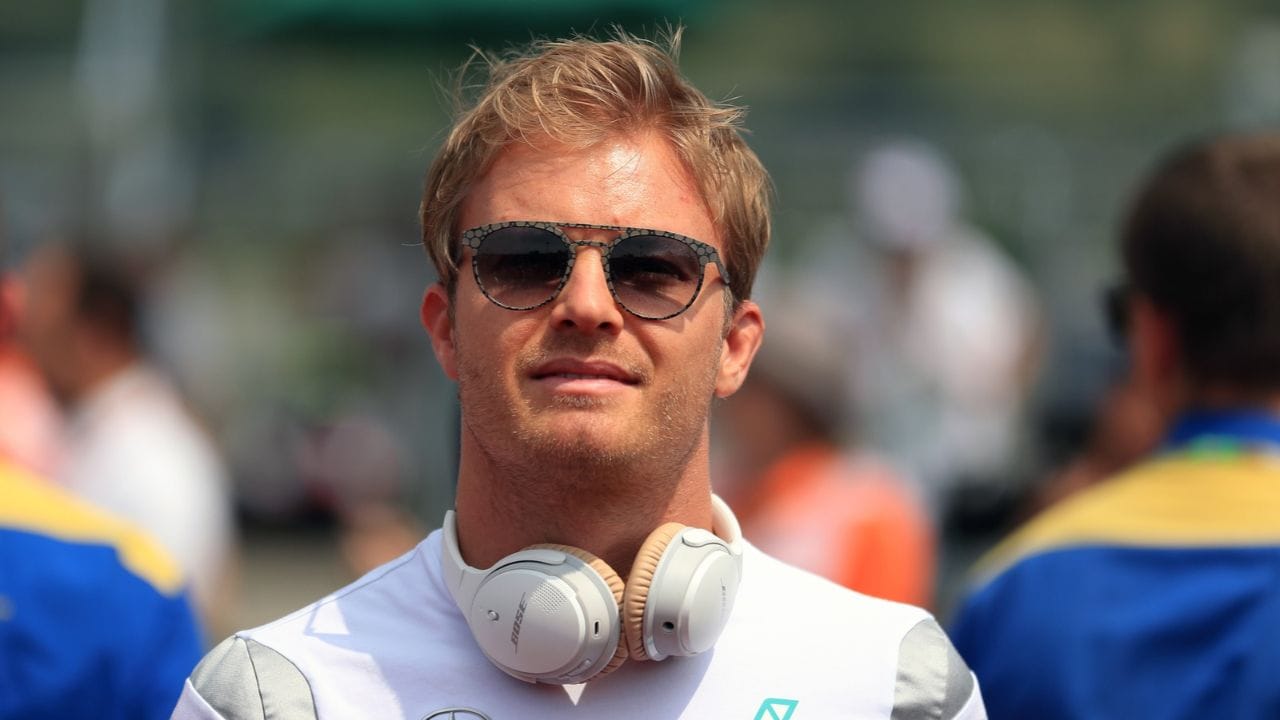
Nico Rosberg, meanwhile, placed Turn 8 among the most memorable corners he encountered during his career. Describing it as “one of the most challenging corners of the year”, the 2016 world champion praised the opportunity to gain significant lap time by getting the sequence right.
He even said it would feature on his ideal F1 circuit, underlining why Turn 8 is remembered as much for its driving challenge as for its spectacle.
Istanbul’s Turn 8 Isn’t F1’s Only Test of Endurance When Turning
While Turn 8 of the Istanbul Park stands as one of the most unique challenges faced by the F1 drivers, the characteristics of the Turn are also shared by Suzuka’s 130R and Sochi Autodromo’s Turn 3. All three demand sustained commitment from F1 drivers while placing considerable lateral loads on their cars.
However, each presents a different interpretation of the high-speed cornering challenge. While 130R is primarily a test of precision and confidence, Istanbul and Sochi demand a longer period of concentration.
Sochi’s Turn 3, meanwhile, extends for nearly 700 meters with a constant-radius layout, making it one of the longest corners in F1 history. Interestingly, Sochi’s Turn 3 has often been compared with Istanbul’s Turn 8, with circuit designer Hermann Tilke acknowledging the similarities while highlighting their differences.
Together with Suzuka’s 130R, they demonstrate how corner geometry, aerodynamic performance and tire behavior can shape the demands placed on drivers.
More F1 Reading
- From Stopwatches to Transponders and Timing Loops: How Formula 1 and TAG Heuer Mastered the Art of Timekeeping
- How F1 Super Licence Points Work, and Why 40 Is the Magic Number
- Portuguese Grand Prix History: Street Races, Senna’s Rain Win and Hamilton’s Record
- What Safety Car Is Used in F1? Who Is Bernd Maylander, F1’s Trusted Safety Car Driver of 26 Years?
Comments
More in News

94 Points Behind His Teammate, Oscar Piastri Admits F1 2026 Has Been Tougher Than Expected
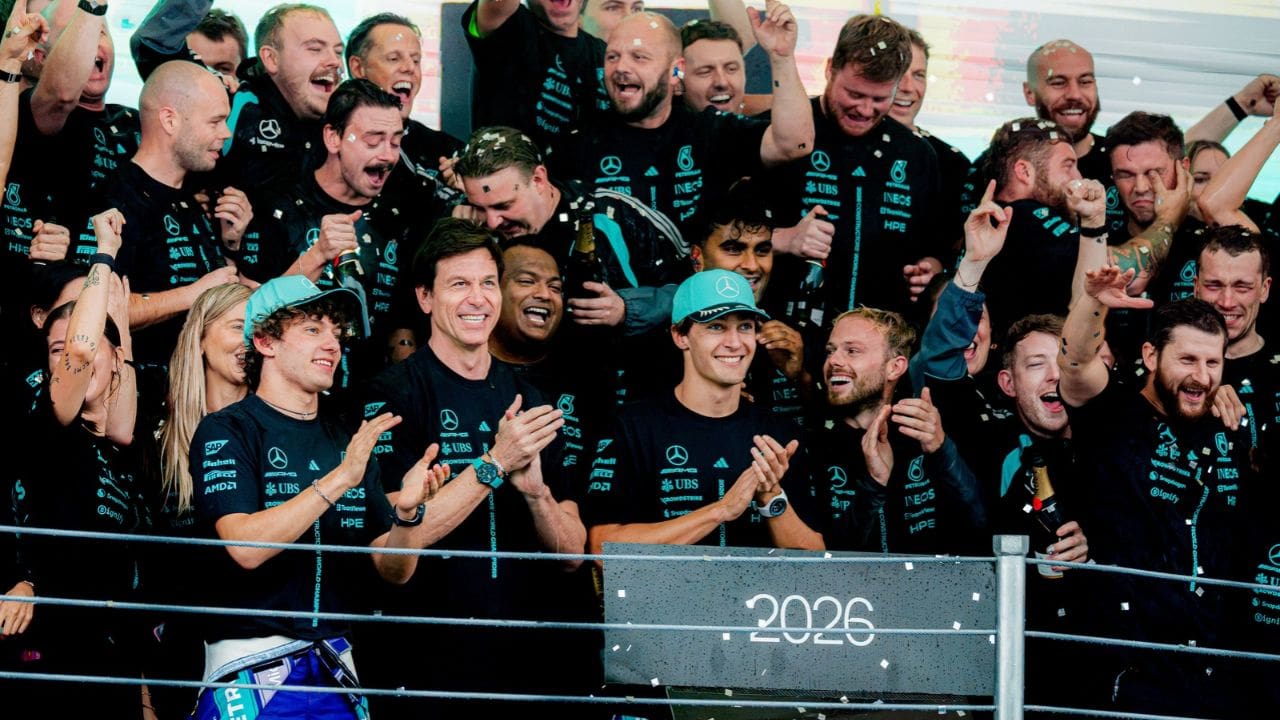
Toto Wolff Opens Door to Team Orders as Mercedes Chase Drivers’ Championship One-Two

Guenther Steiner Offers New Theory Behind Oscar Piastri’s Split With Mark Webber After Seven Years

2026 F1 WAGs: Amazing Partners Behind the Grid