
Why Formula 1 Engine Makers Can’t Fully Fire Up Their V8 Engines Until July 2028

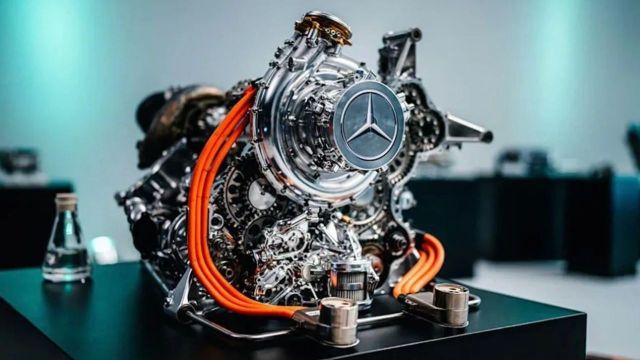
Formula 1’s engine makers know roughly what their 2030 V8 will look like, but they won’t hear one run in full for another 19 months. The FIA has confirmed that development of the current hybrid V6 power units will freeze from the 13th race of the 2028 season, and no dyno work with the full V8 power unit is permitted until July 1, 2028. The governing body says the reasons come down to money and fairness.
Nikolas Tombazis, the FIA’s single-seater director, told Motorsport.com in an exclusive interview that the federation wants to stop manufacturers from running two parallel programs, which would be expensive and could push development spending higher.
He also wants to stop a front-running manufacturer from switching its focus to 2030 early, which would leave trailing rivals such as Honda at a disadvantage when the freeze arrives. “We don’t want somebody to be frozen and to be way down,” Tombazis said.
It seems to be the right call, even if it tests the patience of fans who haven’t heard a V8 in F1 since 2013. The real story is in the fine print, and in what it says about the current pecking order.
Two Deadlines Keep the Formula 1 V8 Under Wraps
The limits come in two steps. Until October 1, 2027, manufacturers can’t even run a single cylinder of the new engine on a dyno, the lab rig where engines are run and measured. After that comes the bigger wall: no running of the complete V8 until July 1, 2028.
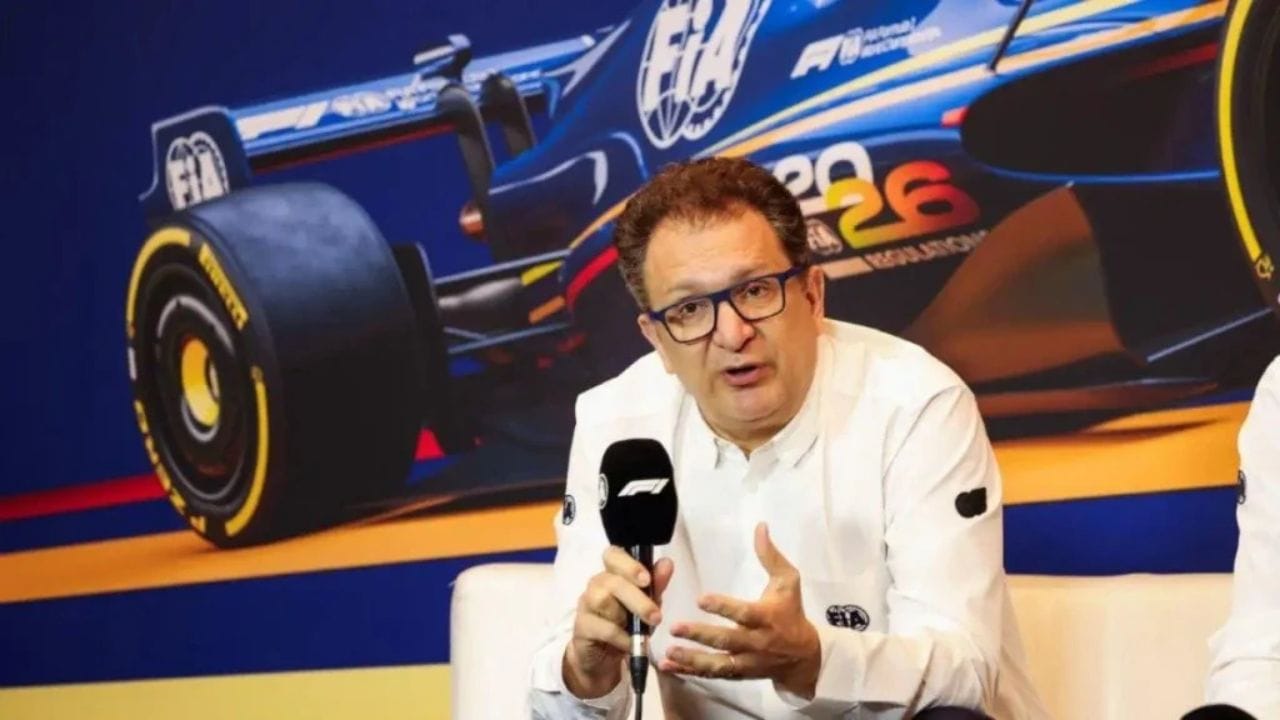
That second date isn’t random. July 1 falls close to the 13th race of 2028, which is when the V6 freeze takes effect. From that point, makers can only fix reliability problems and can’t add any performance. So the old engine gets locked at about the same moment the new one is allowed to come to life.
Newcomers get a pass on this. The restrictions don’t cover new entrants, so General Motors can start simulation work on its Cadillac power unit earlier.
The FIA’s bigger worry, though, is whichever manufacturer is still chasing the pack.
Honda’s Struggle Shapes the Timeline
Honda is the clearest example. The FIA’s ADUO verdict confirmed that its 2026 engine lags behind its rivals. ADUO is the catch-up system for engines that fall behind, and a maker that’s 4% to 6% behind can spend up to $4.65 million in extra development, with two upgrades each in 2026 and 2027.
Tombazis wants the engines as close together as possible before the freeze lands, so no Formula 1 manufacturer gets stuck far behind. He also admitted the FIA has fallen behind on its review of ADUO because it put its energy into the new power unit rules, and he said no final decision has been made.
Meanwhile, the V8 plan is moving quickly. On November 20, the FIA announced an agreement in principle on a 2.1-liter turbocharged V8, with the hybrid part shrinking to around 10% of total power. FIA President Mohammed Ben Sulayem called the agreement “a significant milestone in shaping the future of Formula 1.”
The FIA plans to take the final 2030 rules to the World Motor Sport Council in Shanghai on December 10. Until July 2028, the V8 will exist only on screens and in simulations. That wait is what it costs to give everyone a fair start, and a sport that has watched one manufacturer run away with an engine era before should accept it.
More F1 Reading
- Why F1 Races Get Shorter in 2027, and How the 305km Rule Came to Be
- Lewis Hamilton vs Charles Leclerc Salary: Who Earns More at Ferrari, How Much Do They Earn Outside F1?
- From Stopwatches to Transponders and Timing Loops: How Formula 1 and TAG Heuer Mastered the Art of Timekeeping
- Why Istanbul Park’s Turn 8 Still Unnerves F1 Drivers
Comments
More in News

‘What the — Are We Doing?’: Lance Stroll Erupts After Race Engineer Fails To Give Him an Explanation

Inside Alexandra Leclerc’s $6,422 Vogue México Cover Look, From Saint Laurent to a Surprising Montblanc Touch
‘I’ve Seen the Other Side of Fred’: Will Buxton Sends a Stark Warning to Lewis Hamilton and Charles Leclerc

‘A Way To Check on Myself’: Inside Kimi Antonelli’s Strange Tradition With Bono To Stay in Control of His Emotions
