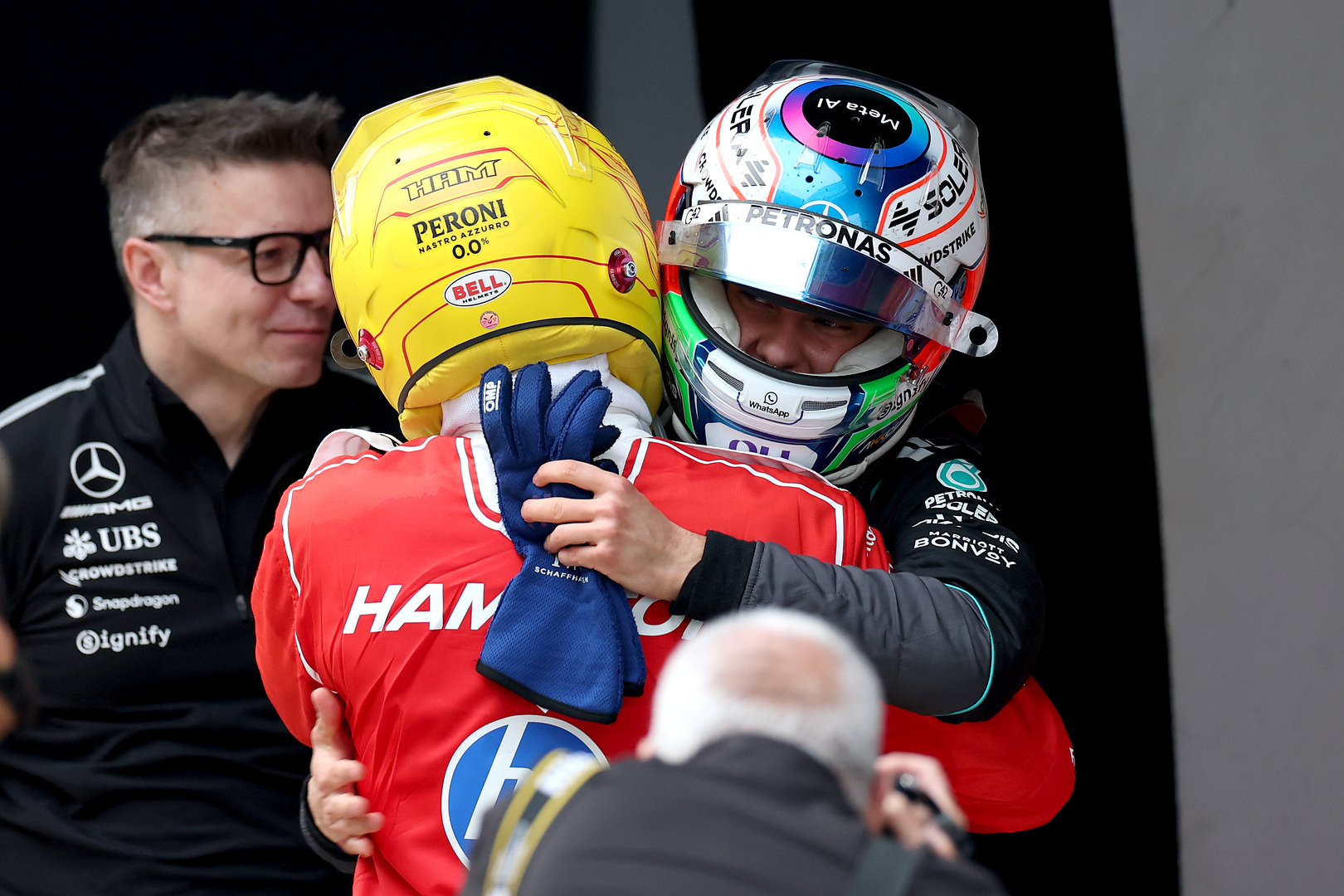
Ferrari and the 2026 F1 season: how to return to winning ways in an era that changes everything
Ferrari ended 2025 with a familiar problem: enough speed on certain weekends, not enough control of performance across a full season. The reset for 2026 changes the size of the target. New chassis rules, active aerodynamics, and a power unit with far more electrical influence mean teams win by delivering a stable platform that produces repeatable lap time, not a car that spikes when conditions line up.
Barcelona was the first public stress test of that reality. Ferrari ran significant mileage, then immediately pivoted into analysis and decision-making for what comes next…
The Barcelona message: mileage first, answers second
The early running at Barcelona carried the normal mix of systems checks and data gathering, yet the tone from inside the team was clear. The car running is the easy part. Turning the numbers into direction is where seasons get won or wasted.
Ferrari team principal Fred Vasseur put that plainly after the shakedown: “Now, after we have run the car, we are going to start a very intense period. We have the results, but we need to analyse and to decide what we are going to do for Bahrain and for the first race, but also for the future. It is a huge challenge.”
Vasseur also underlined how compressed the schedule feels once the first real data arrives: “I think we all started on the projects for 2027 and 2028 already, but to close the gap, we need to work hard, and it is not coming for free.”
That is the reality of a regulation reset. Every test lap does two jobs at once. It shapes the opening races, and it pushes development choices that echo for seasons.
Charles Leclerc described the same dynamic in practical terms, without trying to sell anyone a fairy tale: “So yeah, excitement but apart from that not so much more, I mean it’s still very, very early days.” He added: “Just really looking forward to seeing what we’ll learn in Bahrain and just focus on ourselves for now.”
Lewis Hamilton, after his first serious look at the new era machinery in red, focused on the driving characteristics and the direction the rules are pulling the cars: “It’s definitely the most fun I’ve had in a long time. It’s oversteery and snappy and sliding and challenging.”
Those comments hint at what engineers are wrestling with in 2026: cars that move around more, drivers who can lean on the rear less, and lap time that depends on platform control plus energy deployment discipline.
The 2026 reset: why it rewards stability over peak
The headline changes are obvious: smaller cars, lower drag targets, active aero, and a more electric power unit. The subtler effect is what decides competitiveness. The window for a fast lap becomes narrower when teams chase drag reduction and electrical energy management at the same time. You can build a car that looks quick on a single lap and still bleed lap time through tyre temperature drift, ride height sensitivity, or inconsistent energy deployment.
In this ruleset, every lap is a compromise across four linked variables:
- Aero load that shifts as the car changes attitude
- Mechanical balance that must stay readable through corner entry and traction
- Electrical energy use that can decide straight line speed and corner exit drive
- Cooling and reliability margins that stop you deploying the intended modes for long stints
Ferrari’s route back to the front is not about a single breakthrough part. It is about engineering a package that produces the same balance on cold mornings, hot afternoons, low fuel, high fuel, and in traffic.

Priority 1: Correlation and a wider operating window
If the track data does not match the simulator and tunnel, development becomes guesswork. That is how teams spend half a season building the wrong car, then spend the other half trying to undo it.
In 2026, correlation is tougher than in recent years. Active aero means the car has multiple aerodynamic states. Each state interacts with ride height, pitch, roll, and yaw. You are no longer validating one downforce curve. You are validating a set of maps, and each map needs to match reality across a range of speeds and car attitudes.
What this looks like in practice is a heavy focus on repeatability:
- Constant speed runs to build clean aero pressure traces
- Back-to-back configuration changes to isolate one variable at a time
- Longer steady stints to see how tyre temperatures shift as the balance moves
- Checks on aero balance migration through braking zones and on throttle
The goal is not a headline lap time in January. The goal is a model the team can trust when it chooses development direction, and when it decides which upgrades deserve production.
Priority 2: Floor, suspension, and active aero working as one system
The 2026 car concept pushes teams toward efficiency. That sounds neat on a presentation slide. On track it becomes a fight to keep the floor working, keep the tyres in the right state, and keep the active aero transitions from unsettling the car.
A driver feels this as instability at the worst moments: braking, turn in, and the first phase of throttle. Engineers feel it in the data as oscillation, temperature spikes, and inconsistent corner to corner balance.
Ferrari’s technical task here is integration, not invention. The floor performance depends on ride height control. Ride height control depends on suspension geometry, heave behaviour, and damping. Active aero state changes then alter load distribution, which changes tyre slip angles and thermal build.
The teams that get this right tend to show the same traits:
- Stable brake platform, minimal pitch surge on initial pedal
- Predictable rotation without a sudden rear step
- Traction that does not overheat the rear tyres inside a stint
- Aero balance that does not swing wildly when modes change
Hamilton’s description of the cars being “oversteery and snappy and sliding and challenging” is a warning and an opportunity. The teams that tame that behaviour without killing speed will separate from the pack.
Priority 3: Energy management as lap time, not a footnote
Leclerc flagged the defining theme of this era in one line: “Especially with this energy management that is so much more important compared to the past.”
When the electrical side carries more of the performance burden, the lap is no longer a simple story of brake later and carry more speed. It becomes a budget problem. Use too much electrical energy early and you pay later. Harvest too aggressively and you lose time in the wrong corners. Get the blend wrong and the car becomes unpredictable at corner entry or on throttle.
This forces teams to design and calibrate the full chain:
- Brake-by-wire behaviour that produces consistent harvesting without upsetting balance
- Rear axle stability when harvesting adds deceleration outside the brake pedal input
- Deployment profiles that match corner sequence, not just straight line length
- Cooling capacity that allows the team to run the intended modes across a race distance
On a 2026 weekend, engineers will be chasing usable performance, not absolute peak. A driver who trusts the energy delivery can commit earlier on throttle. A driver who does not trust it drives with margin, and margin is lap time.
Priority 4: Operational discipline that stops points leaking away
A regulation reset usually compresses the field. When that happens, weak execution becomes visible immediately. A slow stop, a confused call, a failed sensor, a rushed upgrade that is not validated, any of it can turn a strong car into a midfield result.
Vasseur’s “very intense period” line is not theatre. It is the reality of deciding what goes to Bahrain, what stays on the rig, and what gets redesigned before it reaches the car.
Operational strength in 2026 is built through boring work:
- Clear test plans that prioritise answers, not lap time theatre
- Build quality that prevents small leaks and electrical faults from killing running
- Pit lane process that runs the same way under pressure as it does in practice
- Upgrade discipline so the car arrives with parts the team understands
Ferrari has the driver line up to exploit a strong platform. It still needs to reduce self inflicted losses that turn podium pace into fourth or fifth.
What Ferrari can control before Bahrain Testing
The next phase is about converting Barcelona into choices. That means identifying what was reliable, what was repeatable, and what produced performance without triggering instability.
The useful questions Ferrari will be answering are specific:
- Which aero mode transitions produced the smallest balance shift?
- Which ride height range kept the floor stable through braking and traction?
- Which energy profiles gave the best lap time over a stint, not one lap?
- Which cooling and electrical margins allow the team to run the intended modes?
That work then feeds the Bahrain testing programme, where track conditions and longer runs tend to expose the real strengths and weaknesses earlier.
Ferrari can get back to winning ways in 2026 if it builds a car that stays predictable through aero mode changes, keeps tyres in range across stints, and turns energy management into repeatable lap time rather than a constant compromise.
Analysis for this article was provided by Betway; early F1 betting markets tend to rate Ferrari behind McLaren and Mercedes heading into 2026, and Ferrari can only shift that by delivering results once the season starts.
From F1 news to tech, history to opinions, F1 Chronicle has a free Substack. To deliver the stories you want straight to your inbox, click here.
For more F1 news and videos, follow us on Microsoft Start.
New to Formula 1? Check out our Glossary of F1 Terms, and our Beginners Guide to Formula 1 to fast-track your F1 knowledge.

Comments
More in News
F1 The Movie is now an Oscar winner
Lewis Hamilton Finally Breaks Through with Ferrari
Wolff: Verstappen Is in a Red Bull ‘Horror Show’
Cometh the King: Kimi rises to the top but can he fight for the crown?