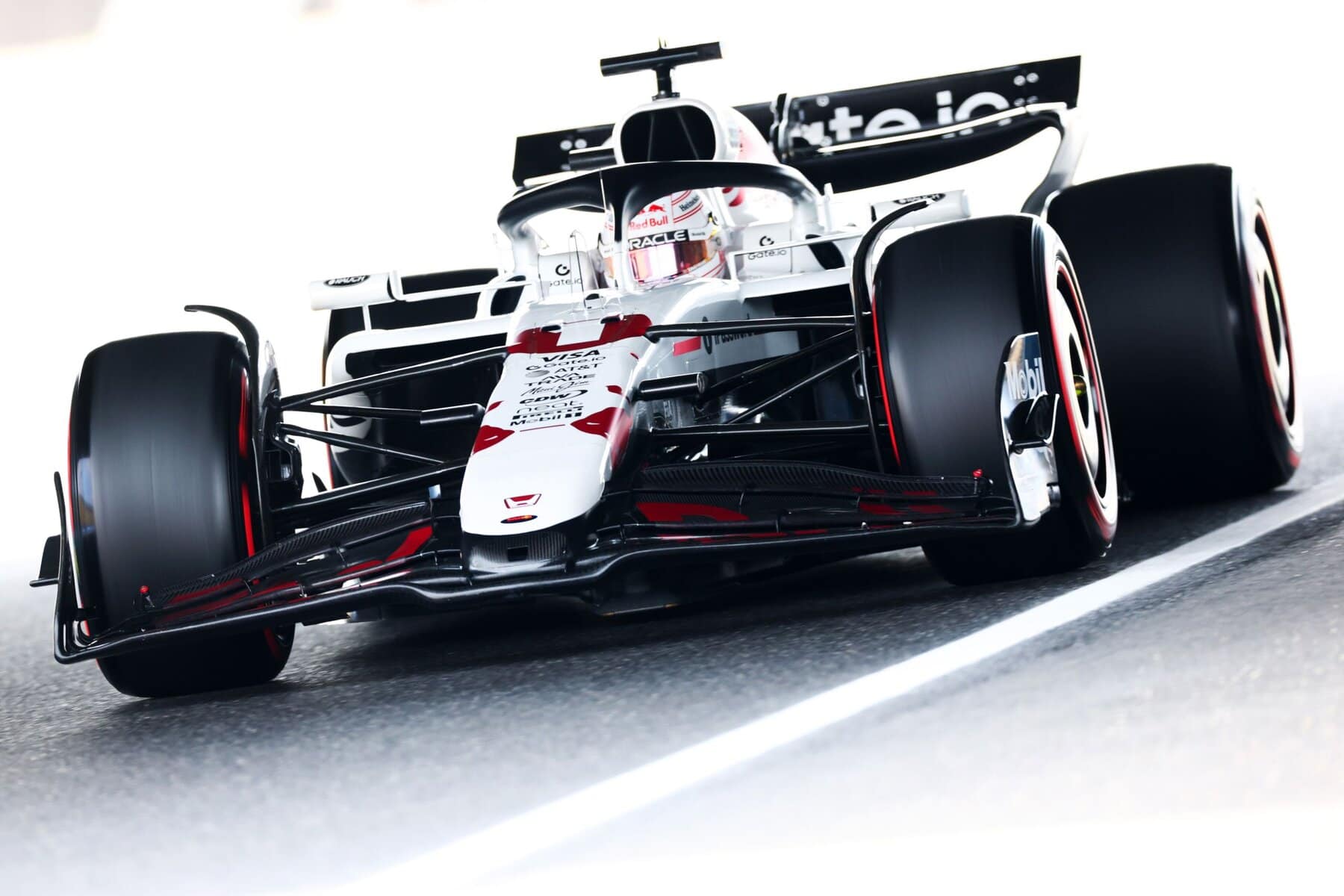
Why Monaco Has Become Formula 1’s Most Popular Home for Drivers
More than half of Formula 1’s current grid now calls Monaco home, turning the tiny principality into the sport’s unofficial residential hub. While drivers spend most of the year travelling between continents, those based in Monaco enjoy the rare luxury of commuting to the championship’s most iconic race in minutes.
But convenience is only a small part of the appeal. For Formula 1 drivers, Monaco represents a unique blend of financial benefits, privacy, and lifestyle that few places in the world can rival. Residents with the exception of French citizens pay no income tax, wealth tax, or capital gains tax, a significant incentive in a sport where careers are short and earnings peak early.
Lewis Hamilton, one of the first modern drivers to make the move, has long spoken about the freedom Monaco offers.
“It gives me peace,” Hamilton once said. “I can train, focus, and live my life without being constantly watched. That balance is really important when you’re competing at the highest level.”
Privacy, Security and Practicality
Despite being the second-smallest country in the world after Vatican City, Monaco offers a level of security and discretion that is difficult to find elsewhere. Strict privacy laws prevent photographers from capturing images of residents without consent, allowing drivers to live relatively normal lives away from the spotlight.
Max Verstappen, another long-time Monaco resident, has highlighted how important that sense of normality is.
“When you’re at home, you just want to be yourself,” Verstappen has explained. “In Monaco, people respect your space. That helps you switch off.”
Travel logistics also play a major role. Nice Côte d’Azur Airport, located around 30 minutes away, serves as a key departure point for many drivers heading to race weekends. Verstappen frequently flies from Nice on his private jet, a routine shared by much of the grid during the season.
A Home for Champions and Rising Stars
Hamilton has since been joined in Monaco by fellow world champions Verstappen and Lando Norris, reinforcing the principality’s status as the preferred base for Formula 1’s elite. Ferrari driver Charles Leclerc is a special case: one of only three Monegasque drivers to start an F1 race, he has lived there his entire life.
Leclerc has often spoken emotionally about racing on home soil, particularly after his landmark Monaco Grand Prix victory in 2024.
“Growing up here, you dream of winning this race,” Leclerc said after that win. “Living here makes it personal. This place is part of who I am.”
Other prominent residents include Mercedes’ George Russell, McLaren’s Oscar Piastri, and Williams driver Carlos Sainz. The trend has also been embraced by newer faces on the grid, with Audi’s Gabriel Bortoleto, Haas rookie Oliver Bearman, and Alpine’s Franco Colapinto all recently moving into Monaco properties.
Williams’ Alex Albon and Audi veteran Nico Hülkenberg round out the list, meaning well over half the grid is now based within the principality, a figure that could rise further in the coming seasons.
Not Everyone Chooses Monaco
Despite its popularity, Monaco is not the only option for Formula 1 drivers. Switzerland remains an attractive alternative, offering favourable tax policies and a quieter lifestyle. Haas driver Esteban Ocon lives there, as do Aston Martin pair Fernando Alonso and Lance Stroll.
Alonso has previously explained his preference for a different environment.
“I like having mountains, space and nature around me,” the two-time world champion said. “Everyone has different priorities when they’re away from the track.”
Italy is another popular base, particularly for drivers with strong links to teams located there. Yuki Tsunoda and Pierre Gasly, both former Racing Bulls drivers, live in Italy, keeping them close to the Faenza-based team’s headquarters and Ferrari’s historic heartland.
It’s also worth noting that many drivers own multiple homes. With every Formula 1 team except Ferrari headquartered in the United Kingdom, most drivers spend several weeks a year there, particularly during car development phases.
More Than a Tax Haven
Ultimately, Monaco’s appeal extends beyond financial incentives. The mild climate allows for year-round outdoor training, while access to elite gyms, healthcare, and recovery facilities supports the extreme physical demands of Formula 1.
Oscar Piastri has described the principality as an ideal place to stay race-ready.
“Everything you need is close by,” he said. “It makes it easier to focus on the important things, training, recovery, and preparation.”
For many drivers, Monaco offers the perfect balance between performance and privacy. While it may not suit everyone, its enduring popularity ensures it will remain a central part of Formula 1 life for years to come.
From F1 news to tech, history to opinions, F1 Chronicle has a free Substack. To deliver the stories you want straight to your inbox, click here.
For more F1 news and videos, follow us on Microsoft Start.
New to Formula 1? Check out our Glossary of F1 Terms, and our Beginners Guide to Formula 1 to fast-track your F1 knowledge.

Comments
More in News
‘With immediate effect’, Wheatley’s Audi departure confirmed
Mercedes Team Announces Senior Leadership Change
F1 Strategy at Suzuka: Tyres, Pit Stops and Overtaking
Newey steps back? – Aston Martin reportedly searching for a new Team Principal