
Why Is McLaren F1 Called Papaya?
McLaren is called “papaya” because the team’s signature colour is a bright orange that resembles the fruit. The colour, originally called “McLaren Orange,” was first used by the team’s founder, Bruce McLaren, in 1963 and is strongly associated with the brand’s history and successes.
The striking colour has also become shorthand for the team’s internal racing rules, which are sometimes communicated to drivers over the radio as “papaya rules” to ensure they race cleanly and fairly when competing against each other.
Historical colour: McLaren first used “McLaren Orange” in 1963, and it quickly became a defining part of the team’s look. The colour was an iconic element of the brand across multiple racing series.
Return to the colour: After several years with different liveries, McLaren brought back papaya orange for the 2018 season.
Modern identity: The papaya colour is now a core part of McLaren’s brand, much like Ferrari’s red, and has become a favourite with fans.
“Papaya rules”: The term also refers to the team’s internal guidelines for their drivers, Oscar Piastri and Lando Norris. These “papaya rules” set out a code of conduct that keeps their racing fair, clean, and free of contact.
What is the history of McLaren Orange?
McLaren’s papaya shade traces back to Bruce McLaren’s own choices rather than a marketing department. The colour started life as a practical way to stand out on track, then grew into a visual shorthand for the team itself. Early McLaren cars in that solid orange set a template that still shapes how the outfit presents its Formula 1 programme today.
Bruce McLaren’s original team colours in the 1960s
When Bruce McLaren formed his own team in the early 1960s, most British entries still ran in dark green. That tradition carried weight, yet it did little for visibility on dull days or in grainy television coverage. Bruce wanted a car that marshals, photographers, and fans could pick out at a glance. A bright orange answered that need. The shade became known as McLaren Orange and appeared first on early single-seaters and sports cars in 1963.
The choice suited the team’s expanding programme. McLaren moved from Formula 1 into Can Am and other series, often on the same packed schedule. A strong, consistent colour tied all those projects together. Whether the car ran at Monaco, Spa, or in North American sports car races, the same orange bodywork told people it belonged to Bruce McLaren’s outfit. The paintwork doubled as a marker for sponsors who knew their logos would sit on a car that never faded into the background.

Early McLaren Formula 1 entries, such as the M7A, carried that orange with simple graphics and small sponsor decals. Can Am machinery went even further, with huge rear wings and wide bodywork covered in the same colour. The cars looked clean and purposeful, with minimal striping or pattern work. That simplicity helped the shade do its job. The orange became more than a decoration. It was part of how Bruce wanted his cars to be seen: clear, assertive, and easy to spot in traffic.
How McLaren Orange defined the team’s early image
Television coverage in the late 1960s and early 1970s did not flatter every team. Dark cars blended into each other on long shots, especially on older circuits with trees and concrete close to the track. McLaren Orange cut through that. On a crowded grid, the McLaren entry stood out immediately, whether the camera sat at the end of a straight or high on a crane above the pit lane. Fans watching at home or trackside could follow a McLaren through spray, shadows, and heavy traffic without checking number boards.
The colour also worked well in still photography. Period images from Can Am and Formula 1 show the orange bodywork popping against grey grandstands and overcast skies. Magazine covers and race reports leaned on those pictures, so the link between McLaren and that shade settled quickly in people’s minds. Even when results varied from year to year, the look stayed stable. The orange car on the front row, or carving through the pack, always carried the same visual stamp.
Why did McLaren bring papaya back in 2018?
McLaren’s return to papaya in 2018 was a deliberate shift back to its roots and a way to stand apart on a grid filled with dark, metallic liveries. The team wanted a colour that carried Bruce McLaren’s original identity, showed up clearly on television, and gave fans an immediate visual link between past and present. Papaya answered all three needs, so it moved from heritage reference to primary colour on the Formula 1 car.
From silver and dark liveries back to papaya
For much of the late 1990s and 2000s, McLaren’s Formula 1 cars ran in silver with black and red accents. That look reflected the engine partnership with Mercedes and the title sponsors of the time. The chrome effect on the bodywork suited early high definition broadcasts and created a clean, polished image, yet it drifted away from the solid orange that had defined Bruce McLaren’s own cars. When partnership and sponsor structures changed, the silver identity no longer carried the same weight.
After that period, the team experimented with darker schemes. Cars that followed the split from Mercedes featured grey and black base colours with limited use of brighter tones. Those liveries blended into a grid where several teams chose similar shades. In onboard shots and long camera angles, it became harder for casual viewers to pick out a McLaren at a glance, especially in traffic or in low-light conditions. Brand recall suffered when fans could not identify the car quickly.

A first step back towards the older identity arrived in 2017, when the team added more orange to the car while still sharing space with dark blue and black. That design nodded to history without fully embracing it. Feedback from supporters, broadcasters, and the team’s own marketing work made it clear that the brighter sections of the car drew most of the attention. The bold areas of colour did the work, while the darker zones did little to support recognition.
In 2018 McLaren committed to papaya as the main colour on the MCL33. The shade took direct inspiration from historic McLaren Orange, adjusted for current paint technology and lighting. Blue detailing sat on the engine cover and wings, yet the papaya body carried the message. The change answered several practical needs in one move. It honoured Bruce McLaren’s original cars, created a distinct silhouette in every camera shot, and gave sponsors a background that made logos easy to read at speed.
Papaya in McLaren’s modern cars and branding
Once papaya returned on the 2018 car, McLaren built the rest of its visual identity around it. Every Formula 1 chassis since then has used papaya as the primary colour, with secondary tones adjusted season by season. The papaya sections run along the nose, cockpit, and engine cover, areas most often seen in broadcast replays and still images. Darker colours sit lower on the car to manage contrast and compliance with sponsor requirements while keeping the papaya field clear in the main camera lines.
Driver overalls, team kit, and garage panels follow the same pattern. Race suits for Lando Norris and Oscar Piastri use papaya blocks around the chest and shoulders so that television shots from parc ferme, the grid, or the podium all reinforce the link between driver and car. Team shirts, caps, and jackets repeat those tones with simple patterns so that mechanics and engineers form a recognisable group in the pit lane. The consistency makes it easy for broadcasters to find McLaren staff in busy pit wall shots or crowded podium assemblies.

Papaya sits at the centre of the team’s commercial work as well. Replica apparel, fashion collaborations, and accessories all use the colour as the anchor. Online stores group products under a clear papaya theme, which helps fans build a collection that matches what they see on track. On social media, McLaren leans into the phrase “Team Papaya” when speaking to supporters, treating the colour as a shared badge for people inside the factory and fans around the world. That language turns a paint choice into a community marker.
Digital assets repeat the same cues. Website layouts, app interfaces, and graphic elements in race previews and result posts often place papaya blocks behind car renders or driver portraits. Trackside branding follows suit, with papaya panels on hospitality units, pit gantries, and garage signs. Across all of these touchpoints, the colour does three jobs at once. It references the Bruce McLaren era, gives current cars instant visibility, and supplies a simple visual thread that holds together everything from factory photographs to grandstand selfies.
What are the papaya rules?
McLaren’s papaya rules set the framework for how Lando Norris and Oscar Piastri race each other when they are in the same piece of track. The principle is simple. Both drivers are free to fight for position, with equal status inside the team, yet they carry an extra duty of care when the car alongside them is papaya rather than a rival from another outfit. The rules ensure fairness and equality, as the team does not designate a number one driver.
Why McLaren uses papaya rules between its drivers
Papaya rules grew out of McLaren’s wish to keep racing between Norris and Piastri open while protecting team results. Andrea Stella and Zak Brown have repeated in public that both drivers have the same right to race for wins and titles. At the same time, the team knows that contact between its own cars can destroy large points hauls in a single corner. The internal code tries to hold both ideas at once, hard racing and protection of combined results.
Stella explains the philosophy most clearly when he talks about the first lap. “In terms of approaching the first corner, our recommendation is always racing with the papaya rules, whereby, when the car is papaya, as you are always careful with any other competitor, but if the car is papaya, you take even extra care”.
The wording from Stella also places heavy weight on the team outcome. “We need to make sure, especially with the car [being] so competitive, that we see the chequered flag and that we try and drive the race in synergy between our two drivers, rather than thinking ‘my main competitor is my teammate’. “We try to stay away from this kind of mindset, because it’s not productive.” If both cars finish near the front on a regular basis, the combined points keep McLaren in every Constructor’s Title discussion.
How papaya rules shape on track battles
On track, papaya rules sit in the background whenever Norris and Piastri reach each other. The first corner on lap one is the clearest test. Both drivers know that the launch, slipstream, and braking zone can open a gap for the rest of the race. Under papaya rules they still try to gain ground, yet they are expected to leave extra space if the car to the inside or outside carries the same colours. Stella’s line about “even extra care” remains the reference point in those moments.
Wheel to wheel fights later in a race follow the same pattern. If a McLaren is faster and closing, the team prefers clean passes set up over several corners rather than desperate moves into small gaps. The idea is that both drivers should plan overtakes in a way that avoids any need for sudden direction changes at turn in. That approach limits the chance of clipped front wings, broken suspensions, or time lost in side by side sequences that end with no position change.
When small mistakes happen, papaya rules provide a framework for review. If contact or near contact occurs, engineers and Stella look at whether the move left a reasonable margin for error, or whether it placed the other McLaren in a position with no safe escape. The drivers then receive feedback in private, with the aim of setting clear boundaries that still allow sharp racing. The goal is not to remove risk completely, since that would also remove chances to pass, but to keep risk at a level that fits a two car points strategy.
From a wider view, papaya rules help protect the relationship between the two drivers. Close fights can strain any pairing, especially when both are quick enough to chase titles. By placing written expectations around how they can race and how much room they should leave each other, McLaren cuts down the space for personal disputes about what is acceptable. The rules do not remove tension after a tight battle, yet they give Stella and Brown a shared reference when they speak to both sides of the garage…
Analysis for this article was provided by Legalcasino, see their review on Betfair bonuses here: https://legalcasino.uk/reviews/betfair/bonuses/
From F1 news to tech, history to opinions, F1 Chronicle has a free Substack. To deliver the stories you want straight to your inbox, click here.
For more F1 news and videos, follow us on Microsoft Start.
New to Formula 1? Check out our Glossary of F1 Terms, and our Beginners Guide to Formula 1 to fast-track your F1 knowledge.
McLaren FAQs
What does papaya mean for McLaren?
Papaya for McLaren means the bright orange colour that has become the team’s visual identity and a shorthand for the whole organisation. The word “papaya” refers to the main colour on the Formula 1 car, the drivers’ overalls, and team kit, and it also feeds into the “Team Papaya” label used for McLaren staff and fans.
Have McLaren always been papaya?
McLaren have not always been papaya. Bruce McLaren’s early cars in the 1960s ran in solid McLaren Orange, then the team moved into red and white during the Marlboro era and later into silver and black in the Mercedes years. The bright orange returned in stages from 2017 and became the full primary colour again from the 2018 season.
What do McLaren fans call themselves?
McLaren fans often refer to themselves as part of “Team Papaya”. The term links supporters directly to the papaya orange cars and team kit, and is used by the team, the drivers, and fans on social media and at the circuit. Many still use “McLaren fans” as a general label, but “Team Papaya” gives a colour based identity that is specific to this era.
What is the most famous McLaren colour?
The most famous McLaren colour is the bright orange shade known as McLaren Orange or papaya. It first appeared on Bruce McLaren’s cars in the 1960s and returned as the primary colour on the Formula 1 car in 2018. Historic red and white or silver schemes are well known, yet papaya is the colour most closely linked with the team’s name.
What is McLaren’s signature colour?
McLaren’s signature colour is papaya orange. It is the main colour on the current Formula 1 livery, the drivers’ race suits, team clothing, and most official merchandise. The team uses papaya as the anchor across cars, hospitality areas, digital graphics, and fan campaigns so that its identity is instantly recognisable on any circuit.
What is the papaya rule in F1?
The papaya rule in F1 refers to McLaren’s internal “papaya rules” for Lando Norris and Oscar Piastri. Under these guidelines the drivers are free to race each other, with equal status, but must take extra care when fighting a fellow McLaren. They are expected to race hard, leave space, avoid contact, and protect the team’s combined points rather than treat each other as primary rivals.

Comments
More in News

Antonelli claims pole in Japan, Russell completes Mercedes front-row lockout

Oscar Piastri ends Friday fastest at the Japanese Grand Prix

How Fast Are F1 Cars In 2026?
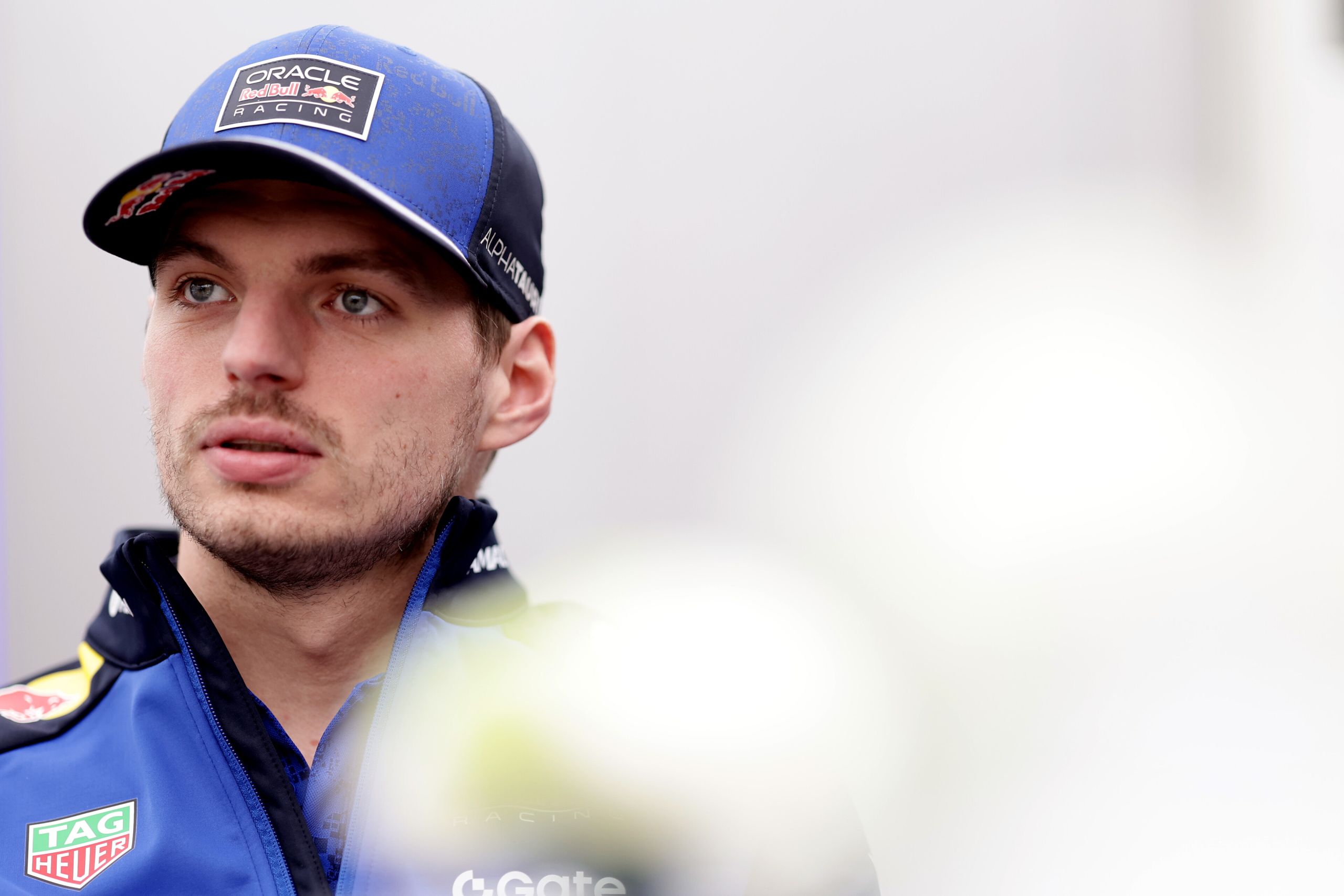
‘I’m not speaking before he’s leaving’, Verstappen ejects journalist from Japanese GP media session
