
What Is the MGU-K? F1’s Supercharged Electric Motor for 2026
The Motor Generator Unit-Kinetic, universally referred to as the MGU-K, is the electric motor at the heart of every Formula 1 power unit. It sits on the crankshaft of the internal combustion engine, harvesting electricity during braking and releasing it as additional thrust during acceleration. In 2026, the MGU-K has been transformed from a supplementary system into a near-equal partner with the combustion engine, producing 350 kilowatts of peak electrical power compared with the 120 kilowatts permitted under the previous regulations. Understanding what the MGU-K does, and why its expanded role defines the character of the 2026 car, requires looking at both the physics of energy recovery and the regulatory choices that shaped how this new system operates.
What the MGU-K Does
An electric motor generator works in both directions. When it receives electrical energy, it produces mechanical torque, spinning the crankshaft and adding to the thrust produced by the combustion engine. When it receives mechanical torque from the rotating crankshaft, it converts that rotation into electrical energy, which is stored in the Energy Store, the car’s battery system. These two modes of operation, driving and harvesting, are the fundamental functions of the MGU-K, and the 2026 regulations specify how much power the unit can produce or absorb in each mode.
Driving Mode: Adding Power to the Crankshaft
In driving mode, the MGU-K draws electrical energy from the Energy Store and converts it to mechanical torque delivered directly to the crankshaft. This torque adds to whatever the combustion engine is producing at that moment, and the combined output of combustion and electric power is what reaches the rear wheels through the gearbox. The 2026 regulations permit the MGU-K to deliver up to 350 kilowatts in this mode, which at full deployment represents a substantial fraction of the car’s total power output. With the internal combustion engine producing approximately 400 kilowatts, the MGU-K at full deployment can add nearly half again as much power on top of the combustion engine’s contribution.
This is the number that makes the 2026 MGU-K fundamentally different from its predecessor. The previous 120kW limit meant the MGU-K contributed roughly 20 percent of total power in driving mode; the 2026 350kW figure means it can contribute up to 47 percent. The result is a power unit where the electric component is no longer a minor supplement to the combustion engine but an approximately equal partner in producing the thrust that moves the car. Engineers and drivers alike have had to recalibrate their understanding of how the car’s performance envelope works, because the electric system’s characteristics, its instant torque delivery, its speed-dependent limitations, and its energy budget constraints, now shape the driving experience as much as the combustion engine’s behavior does.
Harvesting Mode: Converting Braking into Electricity
When the driver lifts off the throttle or applies the brakes, the MGU-K switches from driving mode to harvesting mode. The rotating crankshaft, driven by the car’s momentum through the drivetrain, now turns the MGU-K as a generator rather than being driven by it. This process creates electrical current that charges the Energy Store. The 2026 regulations specify limits on how much energy can be harvested per lap and on the maximum rate at which the MGU-K can absorb energy in harvesting mode, both to protect the Energy Store from overloading and to prevent teams from using extreme regenerative braking as a performance advantage through excessive rearward brake bias.
The timing of harvesting is a key tactical variable in how teams and drivers manage the energy budget across a lap. Harvesting aggressively at one point in the lap means more energy is available for deployment elsewhere, but aggressive harvesting also means the MGU-K is applying significant retarding torque to the crankshaft, which affects the balance between the front and rear braking forces. Too much rearward regenerative braking torque makes the car unstable under braking, so teams must calibrate their harvesting maps to keep the total rearward braking force within the limits the driver can control. The interaction between mechanical braking and electrical regeneration is one of the most detail-intensive aspects of the power unit calibration that engineers manage throughout a race weekend.
Lift-Off Regeneration and Its Trade-Off
One of the most significant operational constraints in the 2026 regulations is the relationship between MGU-K lift-off regeneration and the active aerodynamic system. When the driver lifts off the throttle before a corner, the MGU-K begins harvesting from the deceleration of the drivetrain. The regulations specify that this lift-off regeneration event disables the active aerodynamic system, forcing the wings out of X-mode and into Z-mode for the duration of the regeneration event. The car returns to its maximum downforce configuration because the driver is about to negotiate a corner, but the mechanism by which this happens, the lift-off regen trigger, means that the transition from straight-line running to cornering is directly linked to the power unit’s energy management state.
This creates a trade-off that drivers must learn to manage. The MGU-K’s harvesting in the lift-off phase before a corner is valuable energy recovery that contributes to the overall lap energy budget. But the timing and intensity of that harvesting also control when the aerodynamic system transitions to Z-mode. A driver who lifts very early before a corner recovers more energy from the extended regeneration phase but also triggers the wing transition earlier, spending more of the approach to the corner in Z-mode even on parts of the track where X-mode’s lower drag might still have been beneficial. This interaction between energy recovery and aerodynamic mode management is one of the novel driving technique challenges that the 2026 regulations introduce and that drivers spend significant time optimizing during testing and practice sessions.
The 2026 MGU-K Versus Its Predecessor
The previous generation’s 120kW MGU-K operated under a set of constraints that made it a valuable but clearly subordinate part of the power unit. The jump to 350kW in 2026 is not merely a performance increase; it is a philosophical change in how the regulations conceive of the relationship between combustion and electric power in a Formula 1 car.
Why the Power Limit Tripled
The rationale for increasing the MGU-K limit from 120kW to 350kW is connected to the deletion of the MGU-H, the Motor Generator Unit-Heat. In the previous generation, the MGU-H harvested energy from the turbocharger’s exhaust turbine and used that energy to either pre-spin the turbocharger compressor wheel (eliminating turbo lag) or charge the Energy Store. The MGU-H was responsible for a significant portion of the total electrical energy available to the MGU-K for deployment, and it also enabled the seamless throttle response that the 2014-to-2025 power units were known for.
Deleting the MGU-H for 2026 removed one of the two electrical energy sources feeding the MGU-K. To compensate, and to maintain the target of approximately 50 percent electrical contribution to total power output, the MGU-K’s own capability had to be substantially increased. The MGU-K at 350kW can harvest enough energy from braking events alone to fund the electrical deployment that the previous generation’s MGU-K and MGU-H together provided. The power increase is thus partly a direct replacement for the harvesting capability the MGU-H deletion removed, and partly an expansion of the overall electrical system’s role in the power unit architecture.
Physical Size and Engineering Challenge
A motor generator unit capable of producing nearly three times the power of its predecessor is not simply a scaled-up version of the previous design. The engineering challenges involved in building a reliable, race-worthy 350kW electrical machine that fits within the dimensional constraints of a Formula 1 power unit represent one of the major technical hurdles manufacturers faced in developing their 2026 power units. Higher power density demands better thermal management, since more electrical current flowing through the machine’s windings produces more heat that must be extracted. The bearings and rotor construction must handle higher rotational speeds and forces, and the electrical inverter that controls the machine’s operation must process much higher power levels while remaining compact and lightweight.
Each of the five 2026 power unit manufacturers, Mercedes, Ferrari, Red Bull Powertrains and Ford, Honda, and Audi, has taken different approaches to solving these engineering challenges. The external dimensions and mounting arrangements of the MGU-K are constrained by the regulations’ requirements that it connect to the crankshaft at a specified location within the power unit assembly, but the internal design, the choice of materials, the winding configuration, the cooling strategy, and the inverter architecture are all areas of proprietary development where the manufacturers have invested heavily to achieve competitive power density and reliability.
Speed-Dependent Deployment Limits
The 2026 MGU-K does not operate at its full 350kW output at all speeds. The regulations specify a rampdown profile where the maximum permitted electrical power output decreases as the car’s speed increases beyond 290 kilometers per hour, reaching zero additional contribution at 355 kilometers per hour. Above this speed, the MGU-K does not add power to the crankshaft, and the car’s performance is entirely dependent on the combustion engine’s output.
This speed dependency means that the MGU-K’s contribution is most significant at the lower and middle parts of the speed range, particularly during acceleration out of slow and medium-speed corners where the car is below 290km/h and the full 350kW electrical deployment is available on top of the combustion engine’s power. As the car accelerates up the speed range through the 290-355km/h rampdown zone, the electrical contribution fades, and above 355km/h the combustion engine is working alone. Teams calibrate their deployment strategies to extract maximum benefit from the full-power window below 290km/h while managing the Energy Store’s charge state to ensure sufficient electrical energy is available at all the key acceleration points around the lap.
MGU-K in Race Conditions
The MGU-K’s role in race conditions extends beyond simple power delivery. It is the mechanism through which the overtake mode system functions, the primary tool for managing energy balance across the race distance, and a significant variable in the lap time performance that strategies must account for.
Energy Budget Across a Race
The regulations cap the total energy the MGU-K can deploy from the Energy Store at a maximum rate, and they also cap the total energy that can flow into the Energy Store per lap through harvesting. These limits mean that every lap of a race involves a net energy accounting: how much was harvested during braking and lift-off events versus how much was deployed during acceleration phases. A lap where more energy is harvested than deployed results in a net positive charge state for the Energy Store, which can be drawn upon in subsequent laps when deployment exceeds harvesting. Teams manage this balance across the entire race distance, sometimes running a lap at reduced electrical deployment to build a reserve for a critical overtaking opportunity or a phase of the race where conditions demand higher energy use.
The Overtake Override
A specific provision in the 2026 regulations allows a following car to access extended MGU-K deployment as an overtaking aid. When a car is within one second of the car ahead, and when the FIA Standard ECU determines that both conditions of proximity and approved zone position are met, the following car’s MGU-K can deliver its 350kW output up to a higher speed threshold than the standard rampdown profile permits. This override extends the speed range over which full electrical power is available, giving the pursuing driver additional thrust in the phase of a straight where the speeds are highest and the standard rampdown would otherwise have reduced the MGU-K’s contribution.
The override is automatic in the sense that the ECU manages the deployment extension; the driver does not need to manually activate a separate button. The proximity detection uses the timing system’s gap data, and the ECU applies the override conditions when the gap meets the one-second threshold within an approved zone. Teams can adjust the specific parameters of their deployment strategy to work effectively with the override system, calibrating the energy management across the lap to ensure sufficient reserve is available to make full use of the override when the proximity conditions are met.
Want more F1Chronicle.com coverage? Add us as a preferred source on Google to your favourites list for the best F1 news and analysis on the internet.
From F1 news to tech, history to opinions, F1 Chronicle has a free Substack. To deliver the stories you want straight to your inbox, click here.
For more F1 news and videos, follow us on Microsoft Start.
New to Formula 1? Check out our Glossary of F1 Terms, and our Beginners Guide to Formula 1 to fast-track your F1 knowledge.

Comments
More in News
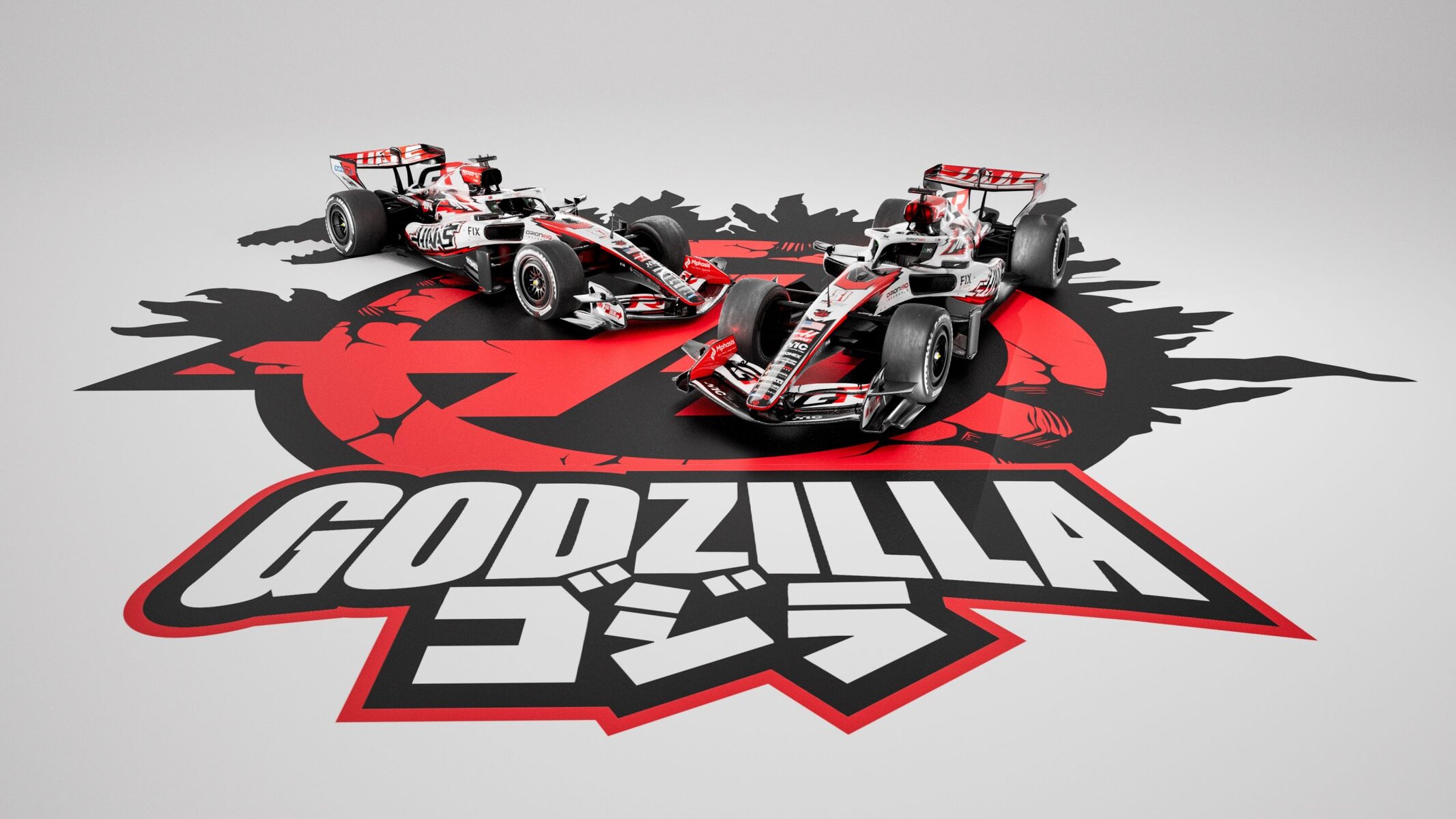
Godzilla themed Haas F1 Team car unveiled for the Japanese Grand Prix

Jak Crawford to take part in Japanese Grand Prix FP1 for Aston Martin
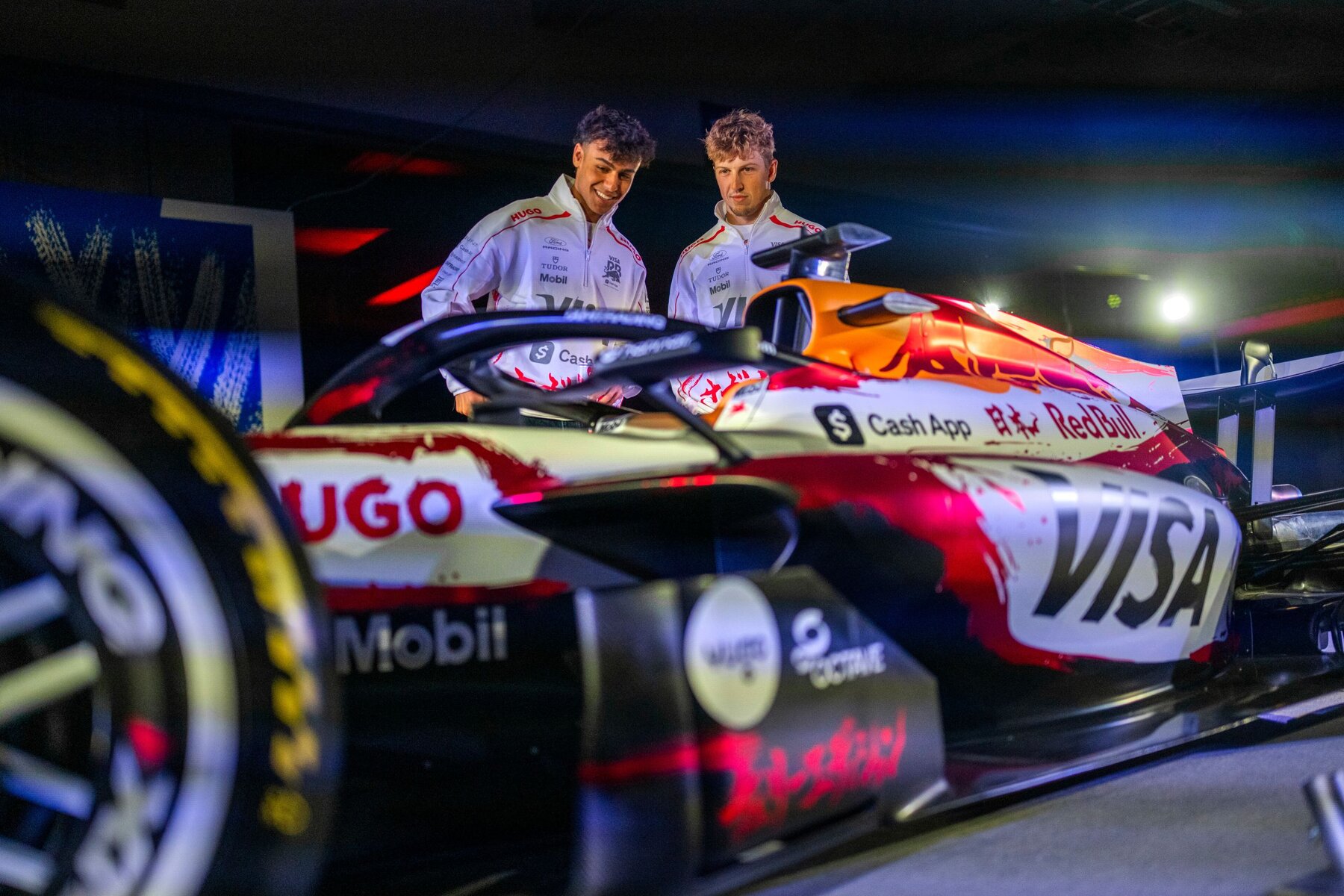
Celebrating Japanese car culture and cherry blossom; Racing Bulls unveil one-off livery
How to Attend the Japanese Grand Prix: Tickets, Travel and Best Seats
