
Sistemi di Raffreddamento in Formula 1: In Cosa Differiscono dalle Auto Normali?
- I sistemi di raffreddamento della Formula 1 sono molto più avanzati rispetto a quelli delle auto normali, utilizzando molteplici radiatori, condotti e scambiatori di calore per gestire temperature estreme.
- A differenza delle auto stradali che si affidano a un singolo radiatore e ventola, le auto di F1 integrano prese d’aria, liquido refrigerante e flusso di scarico per mantenere sicuri motore e componenti.
- La complessità si estende al raffreddamento dei freni, dell’idraulica e persino del pilota, rendendo i sistemi di F1 un pacchetto completo ben oltre ciò che richiedono i veicoli di tutti i giorni.
Tradotto dall’articolo originale in inglese “Formula 1 Cooling Systems: How Do They Differ From Regular Cars?“

Comments
Subscribe
0 Comments
More in News

Lewis Hamilton Net Worth and Salary: Ferrari Contract, Sponsors, and Business Empire
Lewis Hamilton's estimated net worth sits between $450 million and ...
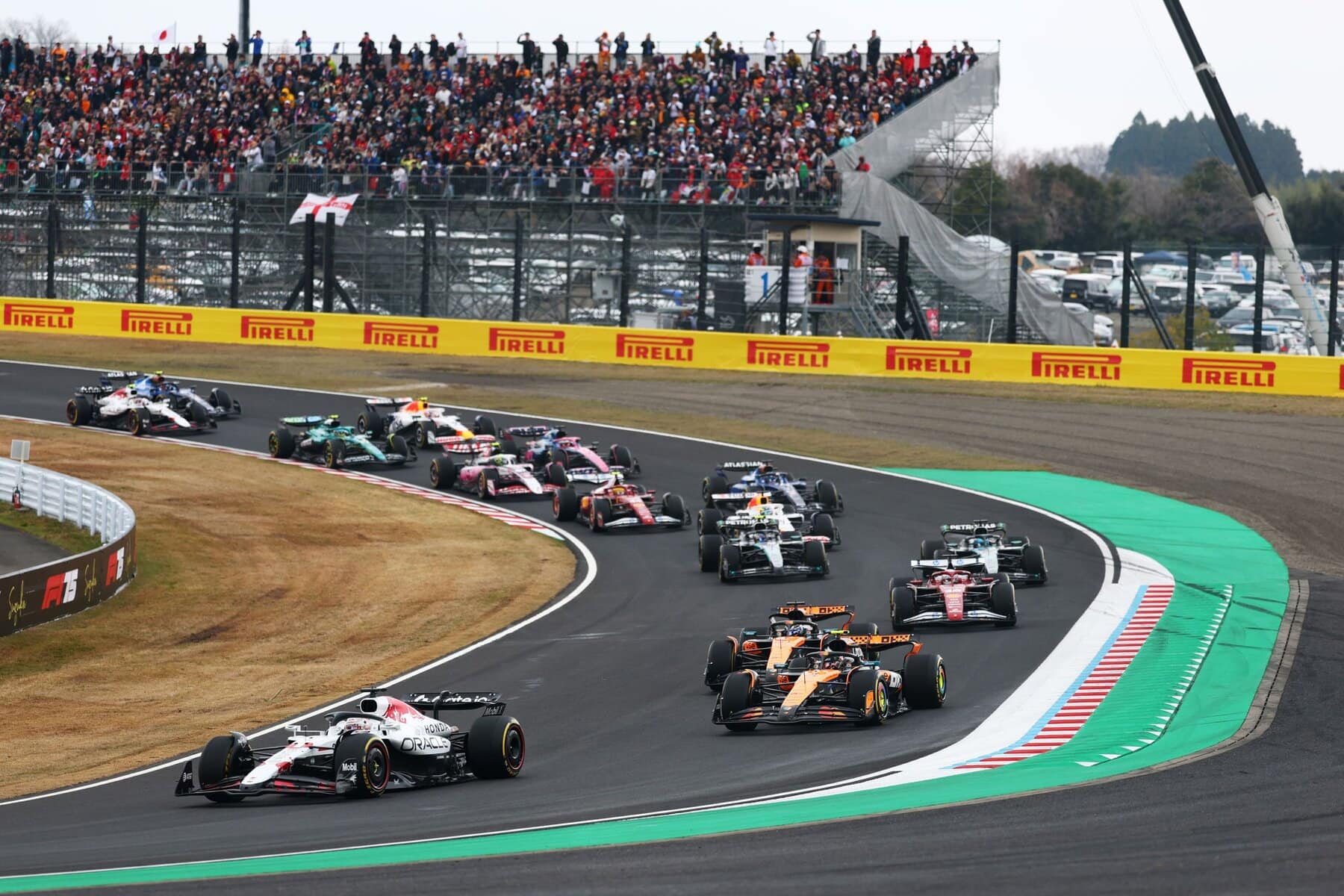
Suzuka’s 130R and the S Curves: F1’s Most Technical Corners Explained
Two sections of the Suzuka International Racing Course separate this ...

Godzilla themed Haas F1 Team car unveiled for the Japanese Grand Prix
The Haas F1 Team have taken the covers off their ...

Jak Crawford to take part in Japanese Grand Prix FP1 for Aston Martin
2025 F2 runner-up and Aston Martin third driver Jak Crawford ...
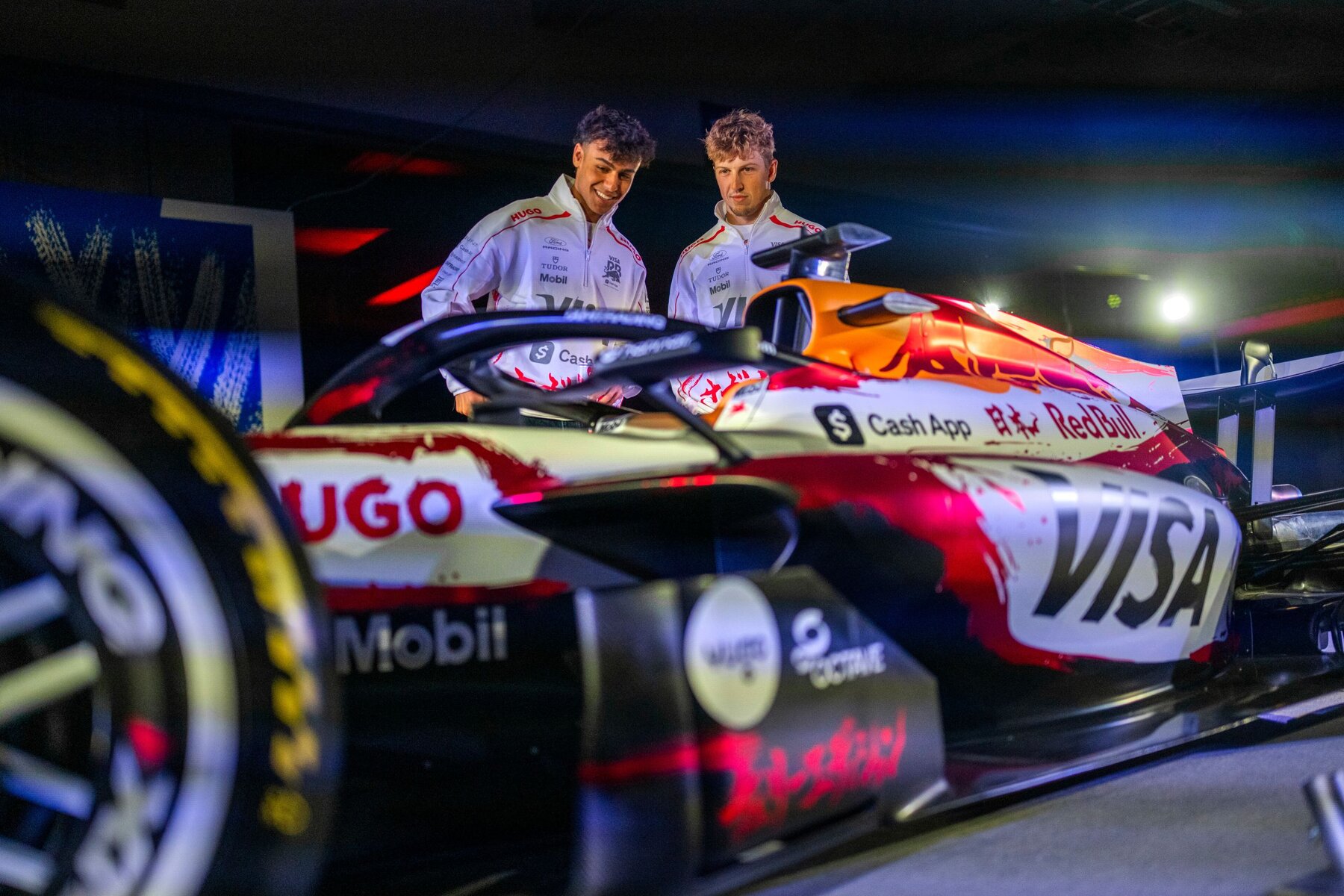
Celebrating Japanese car culture and cherry blossom; Racing Bulls unveil one-off livery
Visa Cash App Racing Bulls have unveiled a special one-off ...