
Circuit de Monaco
The Circuit de Monaco is a renowned street circuit that lies in the heart of Monaco, encompassing the streets of Monte Carlo and La Condamine and edging along the picturesque harbor of the principality. Hosting its first Grand Prix in 1950, the circuit has become synonymous with the glamour and prestige associated with Formula 1 racing. The narrow course, tight corners, and elevation changes characterize the track, making every race here a true test of a driver’s skill and precision. With its complex layout, the circuit stretches over 3.337 kilometers and features 78 laps during the Monaco Grand Prix, pushing the race distance to a total of 260.286 kilometers.
The track is not only a physical challenge but also a strategic battleground for teams, as the slow and technical nature of the circuit places unique demands on the cars’ setups and drivers’ tactics. Throughout its history, the Monaco Grand Prix has been home to numerous iconic moments in Formula 1, with records set and broken, showcasing the highest levels of mastery in motorsport. The event is ingrained in motorsport culture and brings a wave of visitors to Monaco, making it as much a social spectacle as a sporting event.
Key Takeaways
- The Monaco Grand Prix has been a centerpiece in Formula 1 since 1950, highlighting the sport’s heritage.
- Circuit de Monaco’s unique street layout presents major technical challenges for teams and drivers.
- The event embodies the spectacle of Formula 1, combining racing excellence with cultural significance.
History of the Monaco Grand Prix
The streets of Monte Carlo and La Condamine, interwoven with the history of motorsport, host the annual spectacle known as the Monaco Grand Prix. Conceived by Antony Noghès in 1929, this event quickly garnered a prestigious reputation, owed in part to its challenging nature and the glamour associated with the Principality of Monaco. Over time, the Monaco Grand Prix has become synonymous with the extravagance and thrill of Formula One Racing.
The Monaco Grand Prix’s inception was cultivated through the collaboration between Noghès, President of the Automobile Club de Monaco, and Monaco’s ruling Grimaldi family. The first edition of this illustrious race saw William Grover-Williams secure victory in a Bugatti, establishing a trend for excellence in the years to follow.
Key Dates in Monaco Grand Prix History:
- 1929: Antony Noghès organizes the first race; won by William Grover-Williams.
- 1950: Monaco Grand Prix becomes part of the Formula One World Championship calendar.
Throughout its history, the course itself has undergone several changes, each influenced by the city’s evolving infrastructure. Despite modernization, the core aspects of the track have remained loyal to the original layout—tight corners, elevation changes, and narrow straights that test the mettle of even the most seasoned drivers.
The track has weathered the passage of time with modifications that mainly echo the urban transformation of Monte Carlo. For instance, the starting line, pit lane configurations, and certain curves have shifted to accommodate urban developments without sacrificing the integrity of the racing experience.
Local participation in the Monaco Grand Prix has also been a point of pride—local drivers such as Louis Chiron and more recently, GP2 competitors Stefano Coletti and Stéphane Richelmi, have triumphed within different race categories of the event.
Coupled with its status as a jewel in the Triple Crown of Motorsport, the Monaco Grand Prix’s rich history endures, inspiring awe with the roar of engines against the scenic Monte Carlo backdrop—a testament to the enduring legacy of the sport’s most venerated racing events.
Circuit Layout and Characteristics
The Circuit de Monaco, with its hairpins and narrow streets, challenges drivers and is a spectacle for fans. This storied track winds through city streets, demanding precision and offering little room for error.
Famous Corners
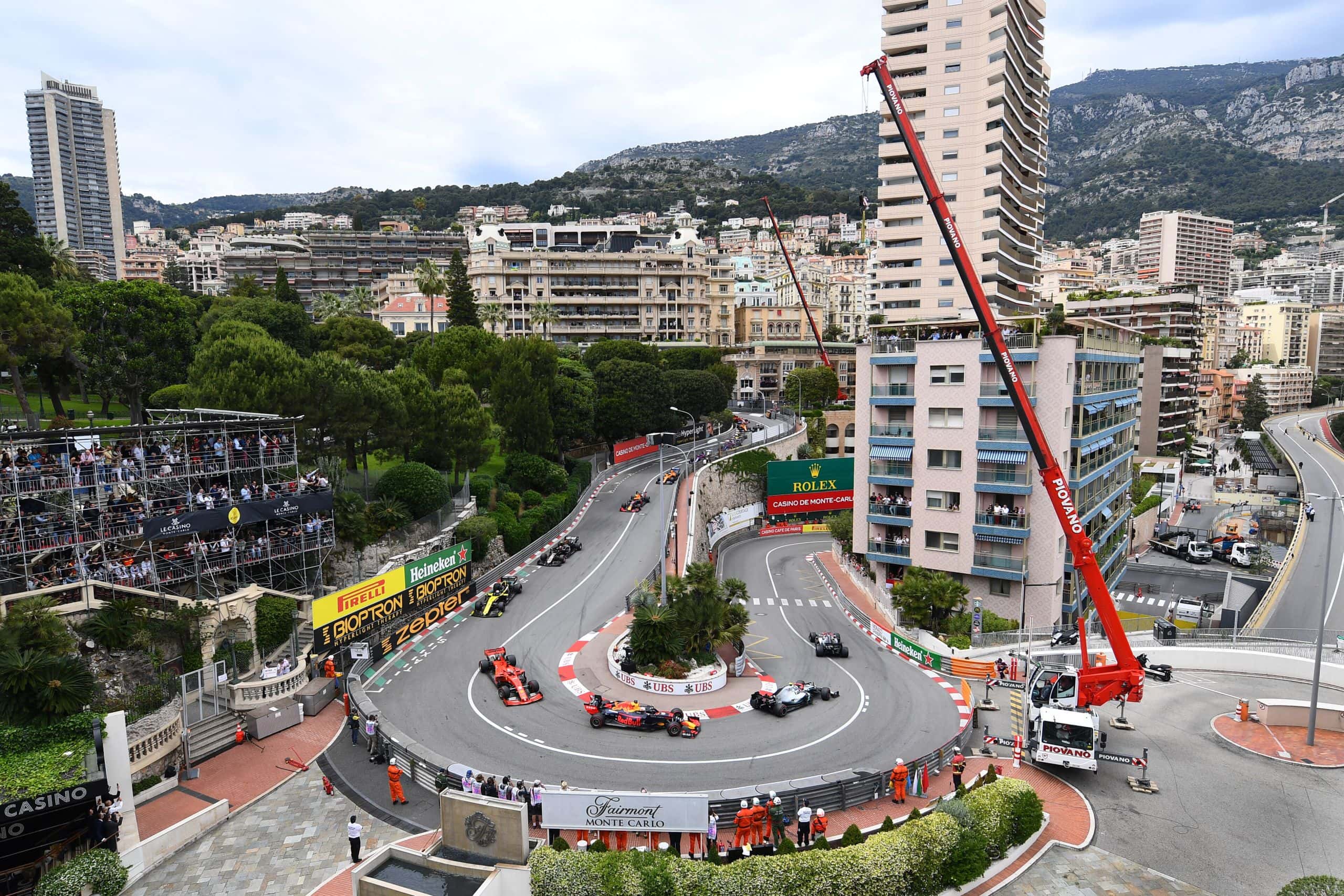
The circuit features Casino Square, a broad sweep leading to tight corners that has been a focal point since the track’s inception. The Hairpin is another notable feature; it is the tightest turn in Formula One, requiring drivers to significantly reduce speed. At the Swimming Pool section, drivers navigate a quick and sinuous part of the track, while the Rascasse corner presents a tight right bend just before the finish line, creating opportunities for last-minute position changes.
Elevation Changes
Elevations change dramatically along the course. Starting at the harbor level, drivers climb steeply past Casino Square, then descend to Portier before confronting the world-famous tunnel—a burst into darkness and reemergence into daylight. Each shift in elevation places unique demands on car setup and driver skill, especially given the circuit’s confined nature.
Technical Challenges for Teams and Drivers
Navigating the Circuit de Monaco requires a combination of precision engineering and exceptional driving prowess. Tight streets, sharp corners, and minimal runoff areas demand peak performance from both the cars and the drivers.
Driving Skills Required
Successful navigation of the streets of Monte Carlo is a testament to a driver’s skill and accuracy. The Circuit de Monaco’s layout demands an extraordinary level of concentration and pinpoint precision. Every turn requires an intimate understanding of the car’s handling as drivers are mere inches from the unforgiving barriers. Overtaking is notoriously difficult here, making qualification position and strategic maneuvering during the race pivotal for gaining positions.
Car Setup and Tuning
Formula 1 cars at Monaco are set up to maximize downforce due to relatively low speeds but high demand for agility. Teams meticulously adjust their cars to handle the circuit’s peculiar characteristics, with a special focus on suspension settings to cope with the tight turns and rapid elevation changes. Aerodynamics plays a crucial role, as cars need maximum grip in the slowly navigated corners. Engineers carry out about 47 gear changes per lap, indicative of the intricate changes needed to optimize performance for the meandering track. The need for speed must be balanced against the requirement for tight control and responsiveness.
Iconic Moments and Records
The Circuit de Monaco has been the stage for numerous historical achievements in Formula One, witnessing some of the most sublime driving and strategic masterstrokes. Ayrton Senna, a name synonymous with Monaco, has a legendary presence at this circuit. His record of six wins, including five consecutive victories from 1989 to 1993, positions him as the undisputed master of Monaco’s streets.
Another highlight was Senna’s qualifying lap in 1992, where he secured pole position with a lead over a second ahead of the competition, showcasing the combination of driver skill and vehicular prowess necessary to excel on such a demanding track.
Michael Schumacher, renowned for his precision and excellence, also shone brightly here, claiming five victories. While in recent years, Max Verstappen has demonstrated his capabilities by deftly maneuvering the tight corners of Monte Carlo to grasp victory, adding to the track’s illustrious record book.
| Driver | Wins | Note-worthy Achievements |
|---|---|---|
| Ayrton Senna | 6 | Six Grand Prix wins (1987-1993) |
| Michael Schumacher | 5 | Five-time winner at Monaco |
| Max Verstappen | 1 | Recent victor, showing growing prowess in Monaco |
Crucial to the Monaco Grand Prix is its association with luxury and glamour; a setting where the sport’s iconic status is magnified by the grandeur of its surroundings. The locale has also mirrored the changing dynamics of Formula One, from the high-speed battles of the past to the technical duels of the modern era.
Additionally, the challenging nature of this circuit has not only tested the skill and mettle of these champions but has indelibly etched their feats into motorsport folklore. Through the decades, the Circuit de Monaco has remained a true testament to what it means to conquer one of motorsport’s most challenging arenas.
The Spectacle of the Monaco Grand Prix
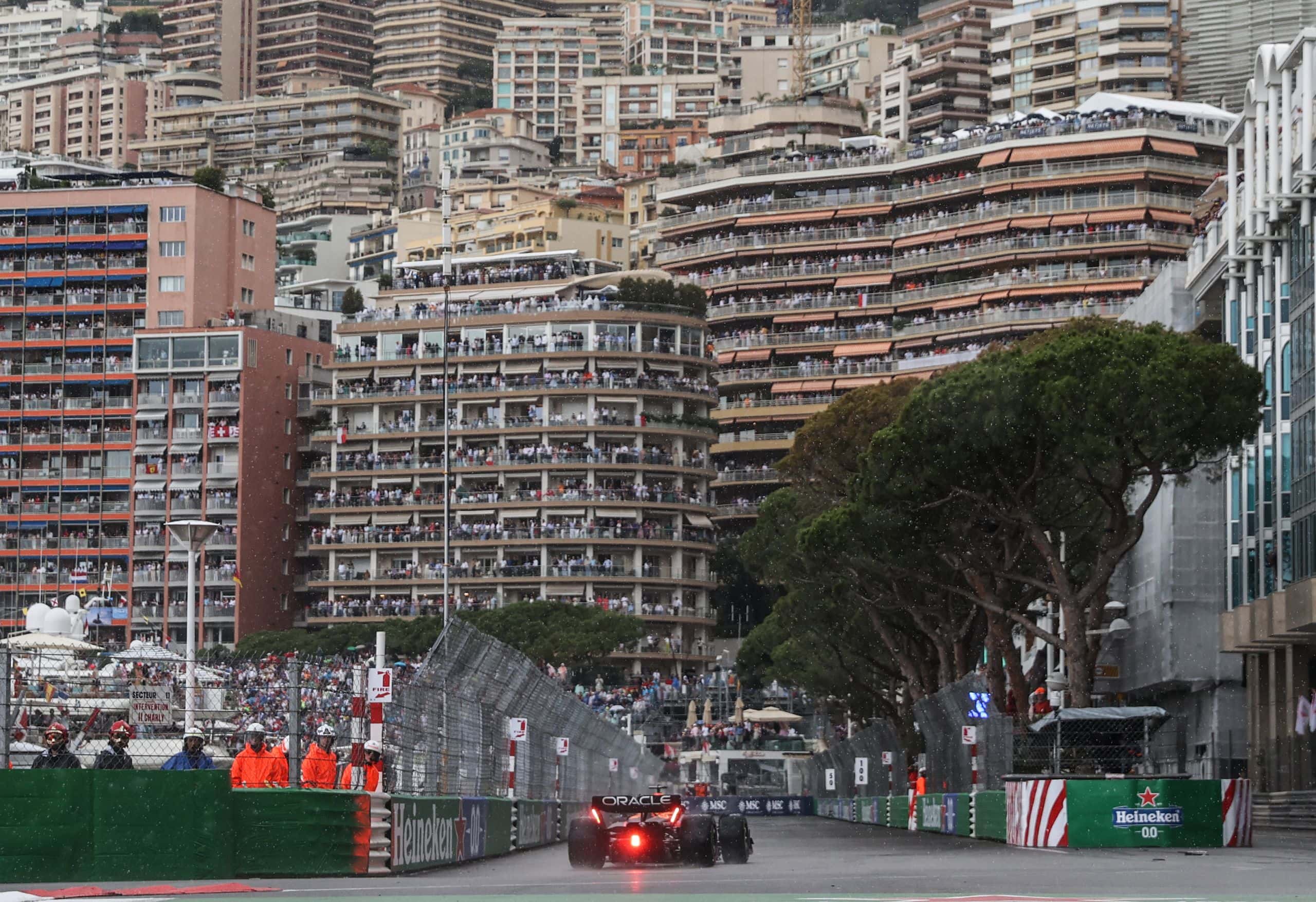
The Monaco Grand Prix is ingrained in the Formula One legacy as a symbol of prestige and glamour. Taking place in Monte Carlo, it offers a unique blend of challenging track design and luxurious atmosphere. The Circuit de Monaco winds through the city streets with its notorious tight turns and elevations, demanding precision from the drivers.
Key Elements of the Monaco Grand Prix:
- Circuit Design: The circuit’s chicane is a standout feature, requiring drivers to expertly navigate a quick succession of turns.
- Grandstands: Spectators gather in the grandstands and various vantage points to witness the high-octane action mere meters from the cars.
- Atmosphere: Monaco’s status as an elite destination is magnified during the race weekend, with yacht parties and celebrity sightings contributing to the electric environment.
Highlights of the Experience:
- Glamour: Monte Carlo transforms into a hub of excitement with lavish hospitality offerings.
- History: The Monaco Grand Prix is a race every driver dreams of winning, adding to its prestige.
Formula One enthusiasts and newcomers alike are captivated by the event’s allure. The Monaco Grand Prix remains an unparalleled spectacle in the world of motorsports.
Monaco Grand Prix and Motorsport Culture
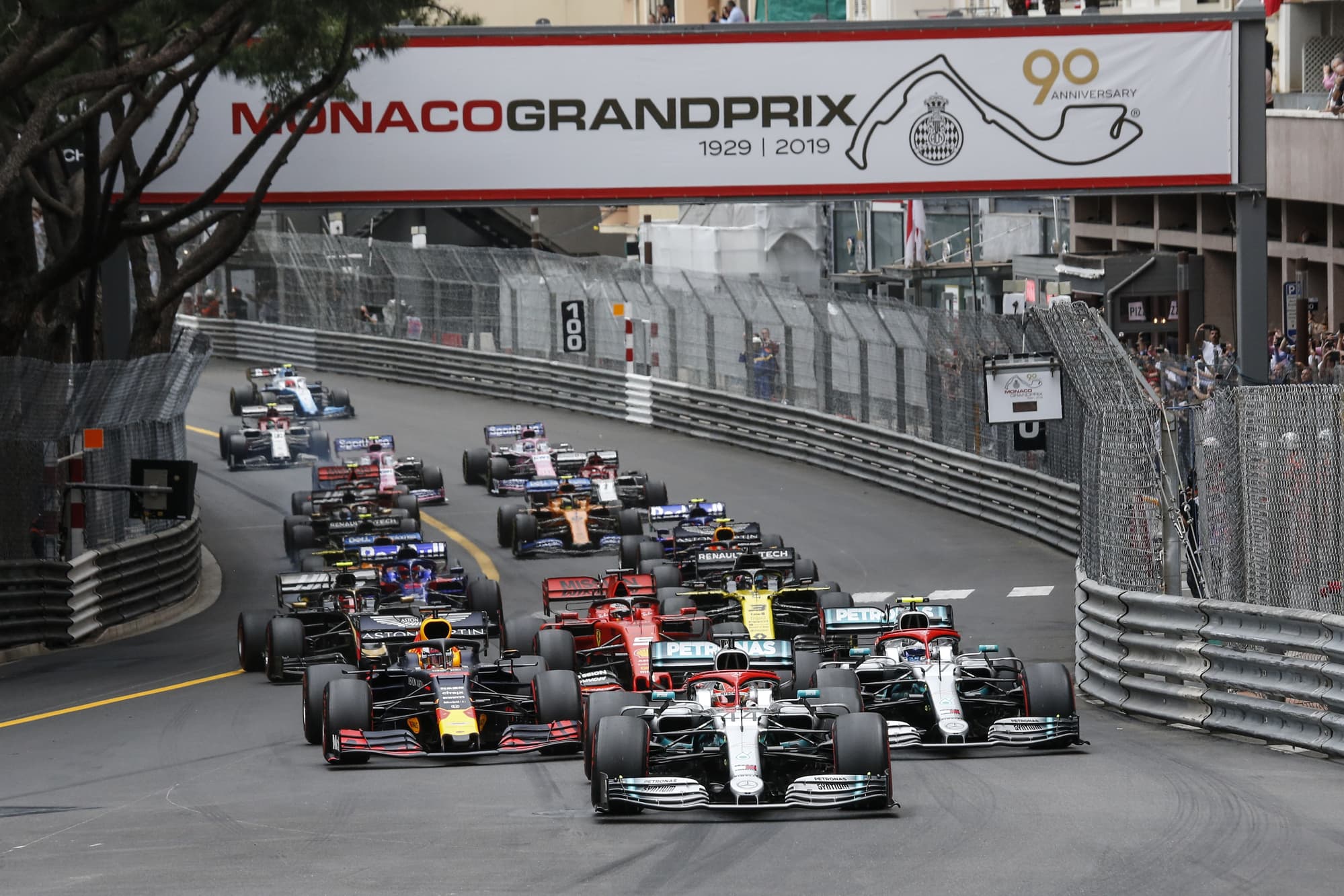
The Monaco Grand Prix is synonymous with prestige in the world of motor racing. Held on the streets of Monaco since its inception in 1929, the race is a cornerstone of the Triple Crown of Motorsport, which also includes the Indianapolis 500 and the 24 Hours of Le Mans. The event’s glamour and challenge attract enthusiasts and celebrities alike, making it a pivotal moment each year in motorsport culture.
Monaco’s Circuit, with its tight corners and narrow streets, demands the utmost skill from the drivers and provides an exhilarating viewer experience. The race stands as a testament to the enduring allure of Formula One racing, where tradition and modernity meet.
Key Aspects of Monaco Grand Prix
- Prestige: The event is held in high regard, being one of the most esteemed races in the world.
- Triple Crown: As one of the three historic races constituting the Triple Crown, it remains a cherished ambition for every racer.
- Monaco Circuit Challenges:
- Tunnel: A unique feature that requires rapid adjustment from light to dark.
- Fairmont Hairpin: The circuit’s tightest turn.
- Portier Corner: Leading to the famous tunnel.
- Swimming Pool Chicane: A high-speed complex demanding precision.
Throughout its history, the Monaco Grand Prix has become more than just a race; it is a cultural phenomenon embedded in the fabric of Monaco and the wider world of motorsports. The combination of its challenging track, history of distinguished competitions, and its place in the Triple Crown solidifies the Monaco Grand Prix as a central fixture in motorsport culture.
Visiting Monaco During the Grand Prix
The Monaco Grand Prix is a unique blend of tradition and luxury, making it a premier event for Formula 1 enthusiasts and newcomers alike. Despite the perception that the event caters only to the affluent, there are ways to experience the Grand Prix without lavish spending. Budget-conscious fans can find reasonably priced general admission areas, with Sector Rocher offering tickets around €100. Opting to stay in nearby Nice and commuting by train can significantly reduce expenses.
Surrounded by the allure of Monte-Carlo and the charm of the French Riviera, the event combines the thrill of F1 with the opportunity for an unforgettable holiday. Savvy spectators can make the most of their trip by indulging in activities beyond the race itself. From visiting the Prince of Monaco’s Vintage Car Collection to partaking in local festivities, visitors can immerse themselves in the region’s rich motor racing heritage.
Local Attractions:
- Monaco’s Car Collection: Prestigious and expansive collection of vintage and modern cars, includings F1 machines.
- Bar Hopping: Experience the vibrant nightlife with a taste of champagne in Monte-Carlo’s exclusive bars.
- Monte-Carlo Train Station: Offers accessible facilities in close proximity to the circuit.
Although the Monaco circuit is criticized for its narrow track and limited overtaking opportunities, visitors often view these characteristics as a testament to the drivers’ skills, navigating tight corners just inches from barriers.
Tips for Attendees:
- Accommodation: Stay in neighboring cities to save on costs.
- Free Practice Sessions: Enjoy free Porsche SuperCup and F2 events when there’s no F1 action.
- Local Experiences: Engage in the Monegasque culture through the various offerings of Monaco during the Ascension weekend.
For those who appreciate the history and sophistication of F1, a trip to the Monaco Grand Prix is essential. They will find Monaco’s hospitality and array of attractions as compelling as the race itself.

Circuit de Monaco – Frequently Asked Questions
In this section, readers will find concise answers to common queries related to the Circuit de Monaco, providing insight into its fame, location, visitor information, mapping, distinct characteristics, and ticket purchasing options.
Why is Monaco circuit so famous?
The Circuit de Monaco is renowned for its prestigious status as the most iconic street circuit in the Formula One World Championship, having been a consistent feature on the race calendar since 1950. Its challenging nature and rich racing history contribute to its fame.
What city is Circuit de Monaco in?
Circuit de Monaco is situated in Monte Carlo, an affluent district of the Principality of Monaco, known for its opulence and glamor, perfectly encapsulating the luxurious backdrop for the racing event.
Can you visit Circuit de Monaco?
Yes, one can visit the Circuit de Monaco, as it is laid out on the public streets of Monte Carlo and La Condamine that are normally accessible to the public when the Grand Prix is not taking place.
How can the Monaco Grand Prix circuit be accessed on Google Maps?
To access the Monaco Grand Prix circuit on Google Maps, users can simply enter “Circuit de Monaco” into the search bar, and they will be directed to the street layout used for the race in the heart of Monaco.
What are the iconic corners of the Circuit de Monaco named?
Iconic corners of the Circuit de Monaco include names like Sainte Dévote, Casino Square, Mirabeau, the Grand Hotel Hairpin, the famous Tunnel, and La Rascasse, each adding to the uniqueness and challenge of the circuit.
Where can I buy Monaco Grand Prix tickets?
Tickets for the Monaco Grand Prix can be purchased through the official Automobile Club de Monaco website or authorized ticket sales partners, providing options for grandstand seating and hospitality packages.