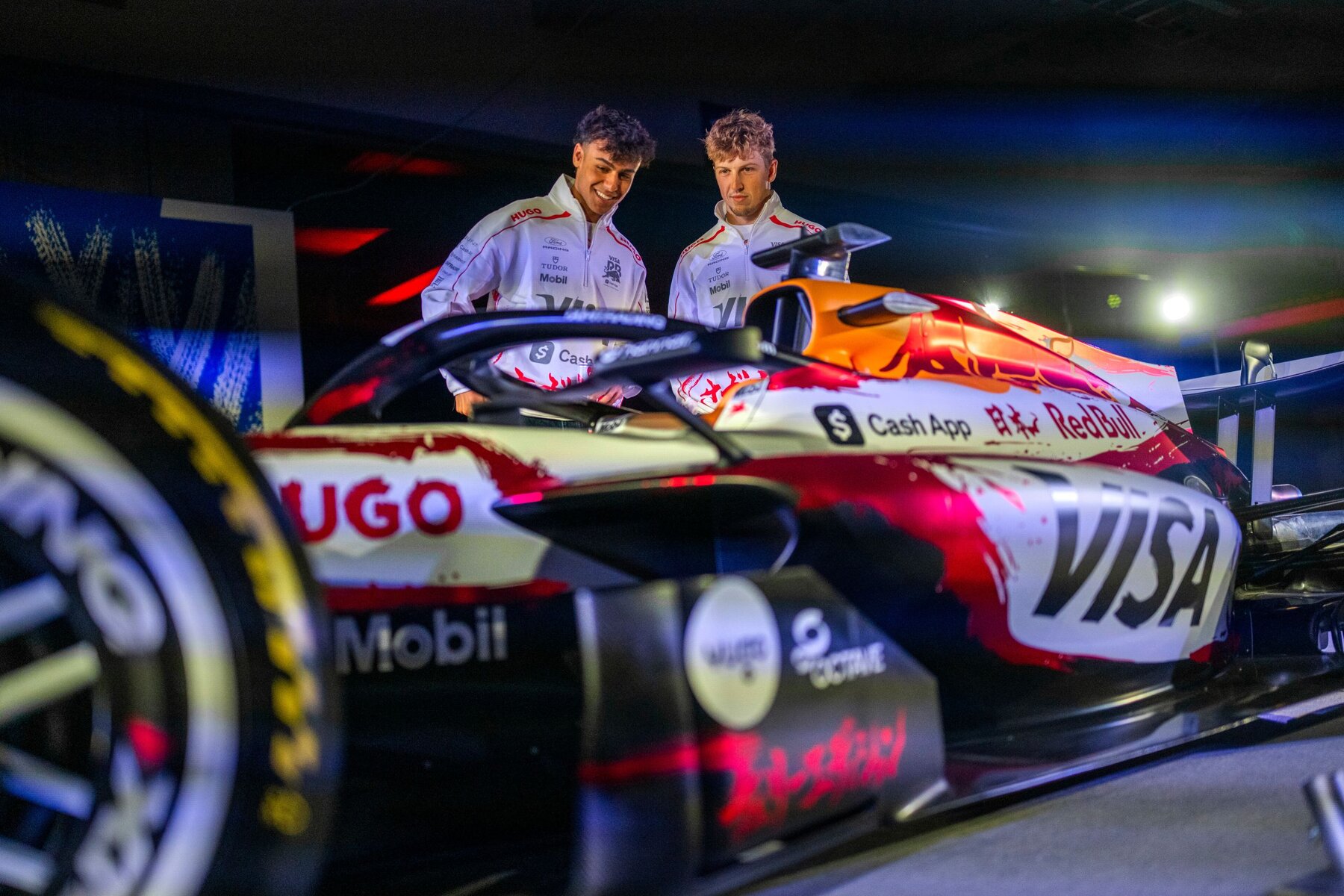
How Important Is Logo Placement For Brands On A Formula 1 Car?
Formula 1 draws in over 750 million viewers worldwide, so every visible detail on a car holds serious commercial value. Sponsorship plays a key role in the sport because each team relies on brand partnerships to stay competitive.
Brands choose logo placements carefully, based on camera angles, broadcast exposure, and how often those spots appear throughout a race weekend. These decisions are strategic because they directly influence a brand’s visibility across TV, social media, and event coverage.
The Most Valuable Real Estate on the Grid
The airbox and sidepod are the two most sought-after spots for logo placement on a Formula 1 car because they stay highly visible throughout a race. The sidepod stretches low and wide along the car’s body, so it shows up clearly during overtakes, pit stops, and side-angle broadcasts. That spot typically runs between $5.3 million and $6.4 million per season.
The airbox sits right above the driver’s head, which makes it a prime location for onboard footage, cockpit views, and podium coverage. For top-tier teams, this space can command up to $7.5 million.
In 2022, Oracle signed a $500 million title sponsorship deal with Red Bull Racing that included airbox placement and full naming rights. The team became Oracle Red Bull Racing and went on to win back-to-back championships, placing the logo in front of millions of fans each weekend.
High Visibility at Lower Cost
Brands looking for strong exposure without spending $7 million still have several smart placement options. The engine cover, for example, appears clearly in overhead and side shots and typically costs between $1 million and $1.4 million per season.
Bybit chose this area during its partnership with Red Bull from 2022 to 2024 because it offered reliable visibility without exceeding budget limits.
The top of the halo sits right in front of the in-car camera, so it stays in frame during cockpit views and pit stops. Bitdefender used this spot with Ferrari because it guaranteed a strong broadcast presence, even though their deal wasn’t at the title sponsor level. While exact figures remain private, this placement usually runs between $1.6 million and $2 million.
Rear wing flaps become especially prominent during overtakes, when one car follows another. Kraken selected this space with Williams because it provided consistent exposure at around $2 million, all while avoiding the cost of the sport’s most premium slots.
Driver Gear Delivers Even More Exposure
Drivers stay in the spotlight all weekend long, so their gear gives brands valuable screen time beyond the car itself. The helmet is a prime choice for companies aiming to appear during interviews, press events, and pre-race segments.
The upper ring, which remains visible during close-ups and media coverage, usually costs between $892,000 and $1.1 million per season. Pepperstone used this space on Lance Stroll’s helmet during the Australian Grand Prix because the timing aligned with a major brand push and helped them reach viewers in a key market.
Race suits offer similar visibility since they appear in podium photos, behind-the-scenes coverage, and driver walkouts. The sleeve typically runs between $993,000 and $1.3 million, while the chest area ranges from $1.4 million to $1.6 million.
These placements are arranged through personal endorsement deals, allowing brands to tap into a driver’s individual image and fan base. Lewis Hamilton, for example, holds sponsorships with Puma, Sony, Lululemon, Perplexity, and Fanatics, all tied to his personal brand rather than team-led deals.
How Big Are Logos on an F1 Car, Really?
Formula 1 teams balance sponsor visibility with sleek design, so logo sizes depend on both placement and car structure. As of 2026, every car must display a 75mm FIA logo on the nose, which standardizes the sport’s official branding and keeps it clear from multiple angles.
Most sponsor logos fall between 20mm and 75mm in height, depending on where they sit. Width varies more because it follows the shape of the car. Sidepod logos often exceed 200mm across since they span wide, flat surfaces. Designers fine-tune each logo’s size, contrast, and position to keep it readable even at high speeds.
Take Oracle’s logo on the Red Bull airbox. It was built for visibility in in-car camera shots and helicopter views. The team used bold lettering and high-contrast white text on a dark background, making sure it stood out clearly during pit stops, overtakes, and broadcast replays.
What Brands Actually Get from a Formula 1 Sponsorship
Formula 1 sponsorships go far beyond just slapping a logo on a car. Most deals include VIP hospitality, giving brands the chance to host guests in the paddock, meet drivers, and experience races from exclusive areas.
Sponsors also get the rights to use official team content, so they can create ads, launch video campaigns, and build fan activations that feel connected to the action. This content access lets brands ride the energy of race weekends while creating lasting engagement.
Some sponsors provide direct support for Formula 1 operations. DHL manages all freight between races and serves as the sport’s logistics partner. AWS powers the real-time data and graphics fans see on screen, while Salesforce oversees digital fan engagement across platforms.
Retail and lifestyle brands also gain traction. Tag Heuer features during every podium ceremony as the official timekeeper. KitKat gives out free chocolate at selected races, so people enjoy the product while watching the action. LEGO sells official Formula 1 car sets that people can build at home, so the brand stays part of the F1 experience even after the race.
How Long Do Sponsorship Deals Last?
Most Formula 1 sponsorship deals run between three and ten years because brands need consistent visibility to make an impact with fans. Some partnerships last much longer. DHL has been the sport’s official logistics partner since 2004, making it the longest-running active sponsor in Formula 1.
Petronas has worked with Mercedes since the late 2000s, combining branding with fuel and lubricant development. Marlboro backed McLaren for 23 years starting in 1974, then continued with Ferrari even after tobacco logos disappeared. TAG Heuer also partnered with McLaren for about 30 years before shifting to Red Bull Racing.
LVMH signed a $1.5 billion sponsorship that will continue through 2034. Aramco and Crypto.com both have active contracts running at least until 2030. These long-term deals give brands visibility across multiple seasons, regulation changes, and global events. They also include hospitality access, digital content rights, and race title sponsorships.
The Biggest Deals in Formula 1 History
Some of the largest sponsorships in Formula 1 show just how seriously brands invest in the sport. Oracle’s five-year title deal with Red Bull is worth $500 million. It includes branding across the car, software support, and full access to performance data.
LVMH signed a ten-year deal worth $1.5 billion that features Moët & Chandon on the podium and Tag Heuer as the official timekeeper. This agreement puts LVMH’s brands at the centre of key moments tied to luxury, celebration, and precision.
Aramco holds a global sponsorship valued at $450 million. Its branding connects with fuel technology and performance engineering, while also promoting the company’s role in the future of sustainable energy in racing.
Heineken spent $250 million to secure global beer rights and race naming opportunities. The brand appears across track signage, sponsors the Dutch Grand Prix, and runs responsible driving campaigns, promoting its alcohol-free beer products.
Why Brands Still Compete for Space
Formula 1 reaches fans in over 186 countries and holds races in 34 of them. These events take place across five continents, with stops in Las Vegas, Miami, Singapore, Silverstone, Monaco, Melbourne, Jeddah, and São Paulo. Each location brings global viewership and premium audience exposure through live events and international media coverage.
The sport remains active across all platforms. Sky Sports, ESPN, and F1 TV handle full race broadcasts, while teams post clips, updates, and behind-the-scenes moments on TikTok, Instagram, and YouTube. Celebrities like Kylie Jenner, Ed Sheeran, Rema, Maluma, and Chiara Ferragni attend races because Grand Prix weekends also function as major lifestyle events.
Films like F1 (2025) and Ford v Ferrari (2019) helped Formula 1 reach new viewers by generating worldwide press coverage, increasing streaming interest, and branded collaborations.
Sponsorship also drives cultural visibility. Brands like Puma, CELSIUS, Barilla, and Peroni appear with drivers such as Charles Leclerc, Lewis Hamilton, and Carlos Sainz. WAGs like Kelly Piquet and Kika Gomes support campaign reach through fashion partnerships and social media influence.
This mix of brand presence and cultural influence helps Formula 1 stay relevant in global trends while keeping sponsors visible beyond the racetrack.
Why Logo Placement Means Serious Business in Formula 1
Formula 1 works for sponsors because the entire setup creates a complete branding experience. The value comes from doing everything at once, so the logo appears on the car, the race suit, and the helmet while also showing up in team posts, highlight clips, and broadcast footage.
When brands activate across every channel, they stay visible before the race, during the action, and after the results. Fans see the logo in motion, in photos, and in celebrations, so it becomes linked with the energy of the sport. A single placement cannot deliver that effect because visibility grows when every element connects.
Since Formula 1 runs across countries and platforms, sponsors who use every piece together reach people at every moment. That is what makes the strategy powerful. It creates a presence that feels natural, familiar, and always part of the race.
Analysis for this article was provided by Link Juice Club, one of the leading providers of link building services in the world. The agency specialises in SEO optimisation through research-led strategy, content, and link building, which supports long-term client growth.

Comments
More in News
Lewis Hamilton Net Worth and Salary: Ferrari Contract, Sponsors, and Business Empire
Suzuka’s 130R and the S Curves: F1’s Most Technical Corners Explained
Godzilla themed Haas F1 Team car unveiled for the Japanese Grand Prix
Jak Crawford to take part in Japanese Grand Prix FP1 for Aston Martin