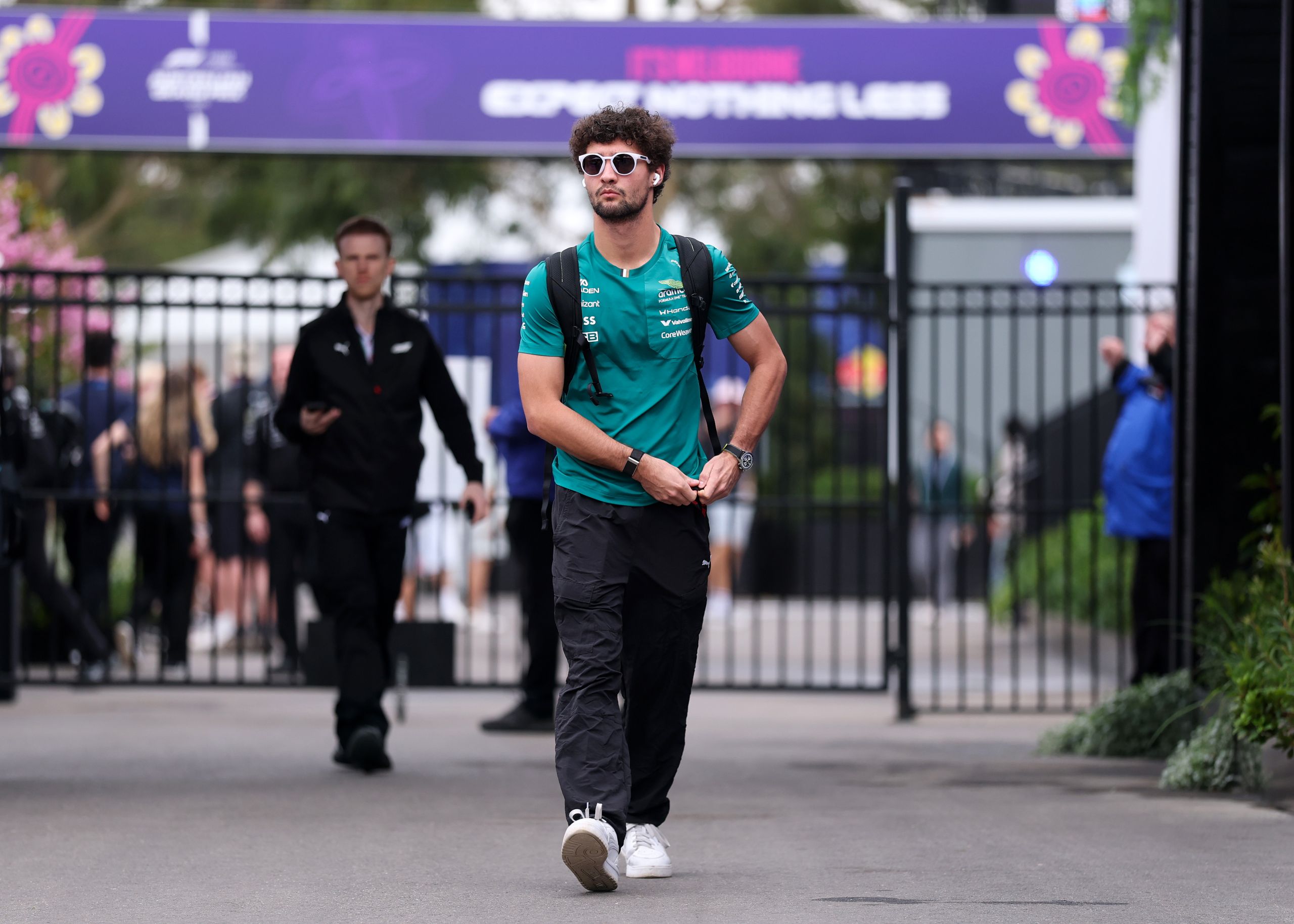
How did the 2026 F1 rules increase the number of overtakes?
The 2026 Formula 1 regulations led to a record-breaking 120 overtakes at the Australian Grand Prix, a massive increase from the 45 recorded the previous year. This surge in wheel-to-wheel action is attributed to a combination of more agile car designs and the highly tactical nature of the new hybrid power units.
1. Improved “Raceability” and Physical Dimensions
The 2026 cars were redesigned to be shorter, narrower, and lighter. This smaller physical footprint provides several racing advantages:
- More Space: Drivers have more room on the track to attempt maneuvers, particularly in sections previously deemed “untouchable” for overtaking.
- Reduced Turbulence: The cars generate less aerodynamic turbulence (dirty air), allowing them to follow more closely and run side-by-side through corners more smoothly.
- Reduced Aero Dependency: By relying less on aerodynamic grip, the cars are more stable when changing trajectories, giving drivers the freedom to “dive” into corners without losing the car.
2. Tactical Energy Management (The “Mario Kart” Effect)
The shift to a power unit where 50% of the total output is electrical has introduced highly variable recovery and deployment phases. This creates a tactical environment that drivers have likened to Mario Kart, where the “boost” is a finite resource.
- Super Clipping: When a car exhausts its battery energy on a straight, it loses the electrical boost, resulting in a dramatic speed drop of up to 50 km/h. This “super clipping” makes a car extremely vulnerable to any following car that still has energy to deploy.
- Attack Windows: Because energy must be harvested and “hoarded,” a car may be competitive on one lap but highly vulnerable the next while recharging. These temporary speed disparities open unexpected attack windows that did not exist under previous regulations.
3. Strategy Disparity
There is now a paradox where overtakes have increased even though the actual competitive gaps between teams have widened.
- Software and Deployment: Teams like Mercedes have found a superior technical balance in how they manage battery harvesting and deployment.
- Varied Approaches: Different teams are using different energy optimization strategies: some use energy early in the lap, while others save it for long straights. These differing strategies mean cars are often at different performance levels at different points on the same track, facilitating more frequent passing,.
While the 120 overtakes highlight a successful shift toward more visually spectacular and dynamic racing, this does not necessarily mean the field is closer; rather, the cars have simply become easier to pass due to their physical agility and energy-sensitive power units.
Want more F1Chronicle.com coverage? Add us as a preferred source on Google to your favourites list for the best F1 news and analysis on the internet.
From F1 news to tech, history to opinions, F1 Chronicle has a free Substack. To deliver the stories you want straight to your inbox, click here.
For more F1 news and videos, follow us on Microsoft Start.
New to Formula 1? Check out our Glossary of F1 Terms, and our Beginners Guide to Formula 1 to fast-track your F1 knowledge.

Comments
More in News
‘I’m not speaking before he’s leaving’, Verstappen ejects journalist from Japanese GP media session

‘Maintaining qualifying as a performance challenge’, FIA adjust qualifying rules for Japanese GP

Lewis Hamilton Net Worth and Salary: Ferrari Contract, Sponsors, and Business Empire
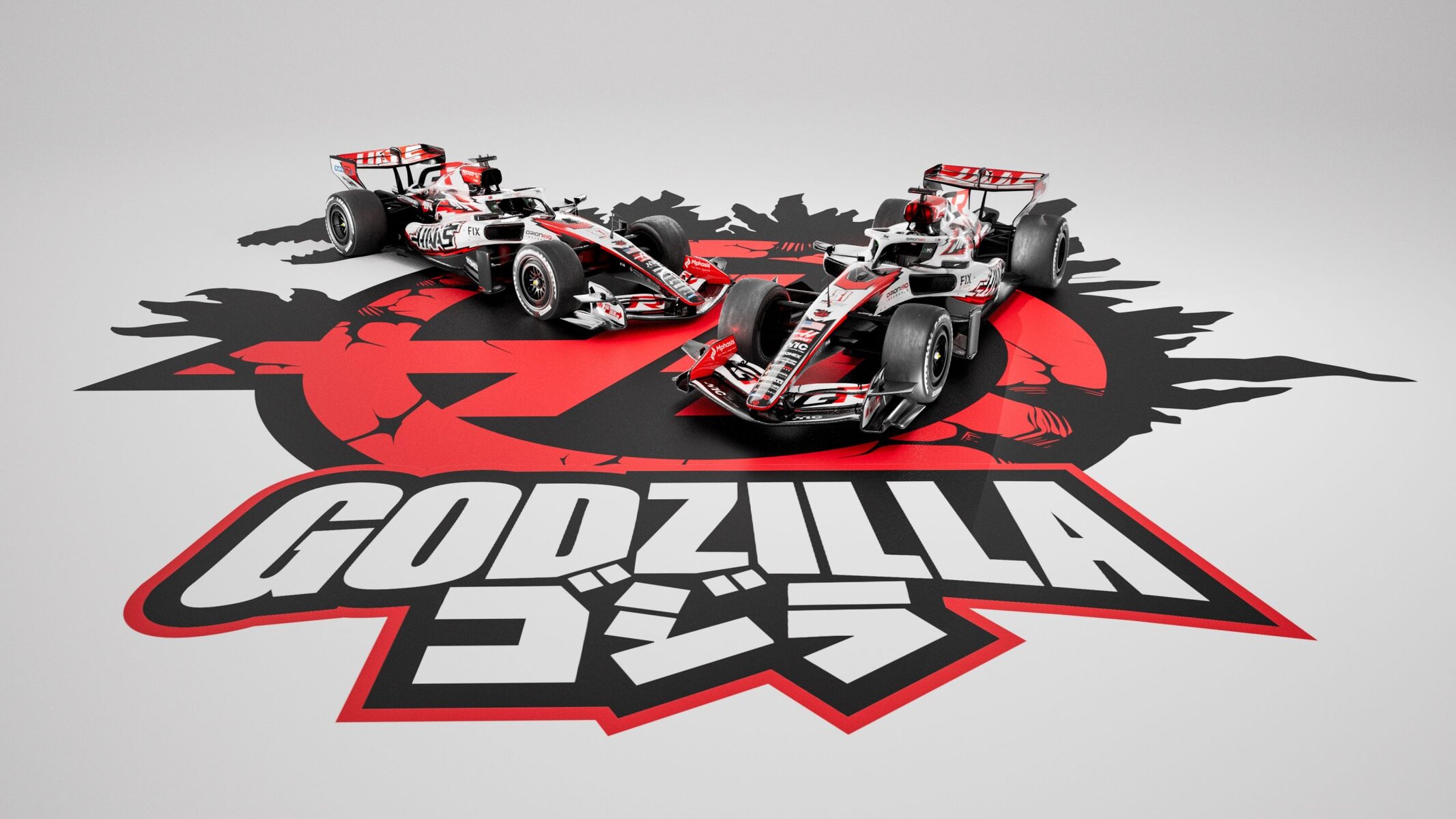
Godzilla themed Haas F1 Team car unveiled for the Japanese Grand Prix