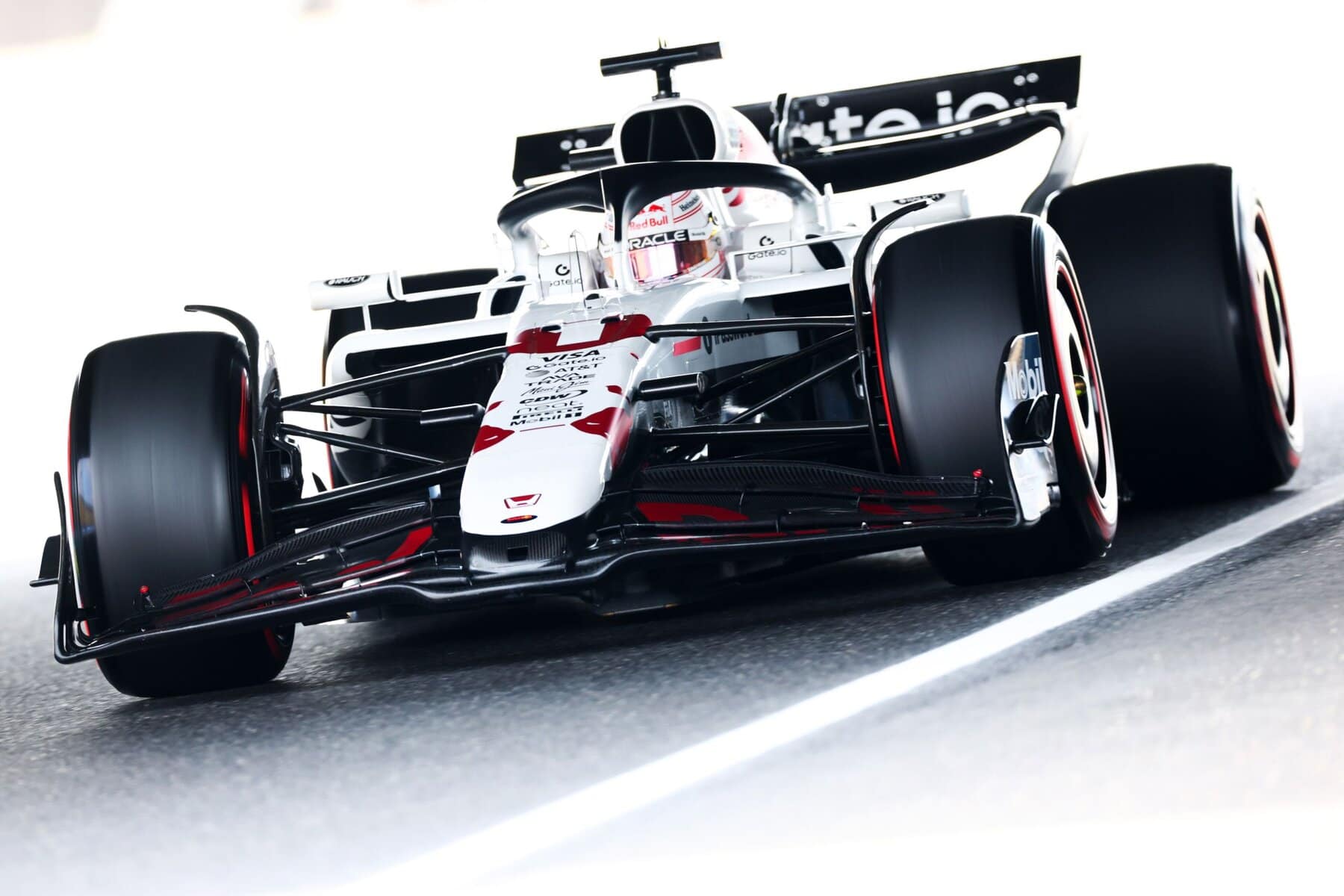
Helmut Marko Warns of Widening Gaps and Predicts Mercedes Edge in F1’s 2026 Reset
Helmut Marko may no longer sit at the heart of Red Bull’s decision-making structure, but the outspoken Austrian remains a sharp observer of Formula 1’s shifting landscape. And as the sport prepares to usher in its sweeping 2026 regulations, Marko has delivered a stark warning: the close racing fans have enjoyed may soon give way to widening performance gaps, technical instability, and a possible resurgence for Mercedes.
After years of convergence under the current ruleset, Marko believes Formula 1 is heading for a period of divergence as entirely new power units, active aerodynamics, and complex energy systems are introduced simultaneously.
“Last year, the field was closer together than ever,” Marko told ORF. “I believe that will change significantly. I fear the gaps will increase drastically.”
Complexity Brings Uncertainty
Central to Marko’s concern is the sheer technical challenge posed by the new regulations. Modern Formula 1 power units have become paragons of reliability, but that stability was built over years of refinement something the next era will not initially enjoy.
“You have to remember that we now have the combustion engine, the battery, and the software that controls energy deployment,” he explained. “Then you add CO₂-neutral fuel into the mix. All of these elements coming together increase the risk.”
Marko worries that not all manufacturers will adapt at the same pace, raising the spectre of one team cracking the formula early and pulling away from the rest, an echo of Mercedes’ dominance at the start of the hybrid era in 2014.
“I hope we don’t see differences like we did then, when Mercedes simply drove away from everyone,” he said.
Mercedes Seen as Early Favourite
Despite that hope, Marko admitted he suspects history could repeat itself. Based on Mercedes’ track record and technical strength, he believes teams powered by the German manufacturer may emerge with a decisive early advantage.
“I’m afraid it will be someone using the Mercedes engine,” Marko said. “It could be Lando Norris again.”
He also suggested that Mercedes’ momentum may lift its customer teams, pointing to signs of progress elsewhere in the paddock.
“Williams is also making quite a bit of progress, from what you hear,” he noted. “And if George Russell wants to be at the top, then he has to seize that opportunity now and fight for the World Championship.”
Red Bull Faces a Steeper Climb
Conspicuously absent from Marko’s list of early title favourites is Max Verstappen, whose four-year reign ended in 2025 after narrowly losing the championship by just two points. With Red Bull embarking on its first in-house engine project in partnership with Ford, the challenge ahead is formidable.
Even so, Marko believes Verstappen’s unique abilities could still prove decisive.
“That will be an immense advantage for Max,” he said. “He can drive incredibly fast while thinking at the same time.”
Marko added that seasoned veterans such as Fernando Alonso may also benefit in an era where adaptability becomes paramount.
“The driver is becoming even more important now,” he said.
As Formula 1 approaches one of the most significant resets in its history, Marko’s outlook is both cautious and revealing. While technology threatens to stretch the field apart, it may ultimately be the drivers, those capable of adapting, calculating, and improvising under pressure, who prevent the championship fight from becoming a foregone conclusion.
From F1 news to tech, history to opinions, F1 Chronicle has a free Substack. To deliver the stories you want straight to your inbox, click here.
For more F1 news and videos, follow us on Microsoft Start.
New to Formula 1? Check out our Glossary of F1 Terms, and our Beginners Guide to Formula 1 to fast-track your F1 knowledge.

Comments
More in News
‘With immediate effect’, Wheatley’s Audi departure confirmed
Mercedes Team Announces Senior Leadership Change
F1 Strategy at Suzuka: Tyres, Pit Stops and Overtaking
Newey steps back? – Aston Martin reportedly searching for a new Team Principal