Suspension Changes in 2026: What’s New Under the Skin
The suspension system of a Formula 1 car connects the wheels to the chassis and manages the forces transmitted between the two as the car rides over surface irregularities, accelerates, brakes, and corners. It is one of the most mechanically complex areas of the car, involving a precise arrangement of carbon fibre wishbones, pushrods or pullrods, rockers, springs, dampers, and anti-roll bars whose geometry determines how the car handles across the entire range of conditions it encounters during a race weekend. The 2026 regulations update several aspects of the permitted suspension architecture, building on Article 10 of the technical regulations, which defines the kinematic and structural rules within which every team’s suspension must be designed. These updates sit within the broader 2026 car overhaul covered in our guide to 2026 F1 car design.
Permitted Suspension Architecture
Formula 1 regulations specify that cars must use a passive suspension system: one where the spring and damper elements respond to forces applied through the wheel without any active computer-controlled adjustment of the suspension’s geometry or stiffness during a lap. Active suspension, where the car’s ride height or suspension stiffness can be adjusted in real time by actuators responding to sensor data, was banned from Formula 1 in 1994. The 2026 regulations maintain this prohibition, requiring that the car’s suspension geometry at any given moment is determined entirely by the mechanical response of its passive elements to the forces being applied through the wheel, rather than by any system that actively changes the suspension’s state based on sensed conditions.
Front Suspension Layout Options
At the front of the car, the regulations permit suspension layouts where the springs and dampers can be actuated by either a pushrod running from the lower part of the upright to a rocker mounted within the chassis, or a pullrod running from the upper part of the upright to a rocker lower in the chassis. These two configurations, pushrod and pullrod front suspension, have been used by different teams on different cars throughout the modern era and carry different packaging implications for the front of the car’s aerodynamic design.
A front pullrod suspension routes the spring-damper unit lower in the chassis, which lowers the center of mass of the unsprung weight and can allow tighter aerodynamic packaging in the nose and front wing area. Front pushrod suspension routes the spring-damper unit higher in the chassis, which may allow different floor aerodynamic solutions near the front axle but places the suspension mass higher in the car. Teams choose between these configurations based on their aerodynamic targets for the front of the car rather than on any specific mechanical performance difference, since both configurations can achieve equivalent kinematic behavior if designed correctly. The 2026 regulations do not prescribe which layout must be used, maintaining teams’ freedom to choose the configuration that best suits their overall car design philosophy.
Rear Suspension Layout
At the rear of the car, the suspension must accommodate the large mechanical components of the drivetrain within a tight packaging constraint set by the diffuser geometry, the rear wing mounts, and the power unit’s rear dimensions. The rear suspension typically uses a pullrod configuration that directs the forces from the lower wishbone through a rod to a rocker mounted low in the gearbox casing, which allows the spring-damper unit to be positioned within the gearbox structure where it does not interfere with the diffuser aerodynamics above and behind the rear axle.
The 2026 regulations’ changes to the rear bodywork, specifically the deletion of the beam wing and the modifications to the diffuser reference volume, create a somewhat different packaging environment for the rear suspension than the previous generation. With the beam wing gone, the visual and physical space between the floor and the rear wing is now occupied only by the rear suspension members and the wing’s support structure, which changes the aerodynamic environment around the rear suspension components. Teams have developed fairings for their rear suspension members within the permitted bodywork volumes to manage the airflow around these structural elements and minimize their aerodynamic drag contribution. The full set of rear bodywork rules is covered in our article on 2026 F1 bodywork rules.
Kinematic Constraints and Compliance Rules
Beyond specifying the permitted structural configurations, the 2026 regulations impose kinematic constraints that limit how much the suspension’s geometry can change as the wheel moves through its travel range. These constraints are designed to prevent teams from using suspension designs whose geometry changes during cornering in ways that effectively act as an active aerodynamic device, by altering the ride height or the car’s aerodynamic stance in a load-dependent manner that improves aerodynamic performance under high-downforce cornering conditions.
Preventing Aerodynamic Suspension
The concern about aerodynamically optimized passive suspension is that a team could design a suspension whose geometry responds to aerodynamic load in a specific way, settling the car into a lower and more aerodynamically favorable ride height under high-speed cornering loads than it occupies in low-speed or straight-line conditions. This would effectively give the car a variable aerodynamic setup that responds to speed and cornering load without any active actuation, mimicking some effects of the banned active suspension systems within the passive suspension framework.
The regulations address this through compliance limits that specify how much the suspension’s geometry can change under defined loads. These limits are measured and verified through specific test procedures that apply lateral, longitudinal, and vertical loads to the suspension assembly and measure the resulting geometry changes. A suspension whose geometry changes beyond the permitted limits under these test loads is non-compliant, regardless of whether the geometry change was intentional or the result of structural flexibility in the wishbones or uprights. Teams must design their suspension components with sufficient stiffness to stay within the compliance limits under the test loads, which are calibrated to represent the aerodynamic and mechanical loads the car experiences in the most demanding racing conditions.
Wishbone and Upright Design
The wishbones that form the upper and lower arms of the suspension triangle must be designed within the structural and geometric specifications of the regulations. The wishbone’s cross-section is limited to prevent the use of highly aerodynamically optimized shapes that would function as aerodynamic elements rather than pure structural members. A wishbone whose cross-section is shaped like a high-performance aerofoil would generate downforce as the car moves through the air, but the regulations restrict the permitted cross-sectional shapes to prevent this type of aerodynamic contribution from the structural suspension members.
The upright, which connects the wheel hub to the suspension wishbones and carries the braking system, is also specified within the regulations’ structural and kinematic framework. The upright’s geometry determines the camber, toe, and caster angles that the wheel adopts as the suspension moves through its travel range, and these kinematic characteristics are central to the car’s handling behavior. Teams develop their upright geometry to achieve the target kinematic curves, the relationships between wheel position and suspension travel, that their setup engineers have determined produce the best balance of mechanical grip, tyre wear, and handling predictability across the range of conditions the car encounters.
Suspension Setup and Handling Balance
The mechanical suspension setup, including the spring rates, damper settings, anti-roll bar stiffness, and ride height, is one of the primary variables through which teams adapt the car’s handling balance to each circuit and to changing track and tyre conditions across a race weekend. In 2026, the lower aerodynamic downforce levels compared with the previous generation change the relative importance of the mechanical suspension setup in determining the car’s handling character.
Springs and Dampers
Spring rates determine how much the car’s suspension compresses under a given load. In an era of very high aerodynamic downforce, teams historically ran very stiff springs to prevent the car’s ride height from changing significantly under aerodynamic load, since a car that dips lower at high speed benefits from the additional underbody downforce that the lower ride height produces but may also become aerodynamically unstable if the dip is too large. With lower aerodynamic downforce in 2026, the aerodynamic motivation for extremely stiff springs is somewhat reduced, and teams may run softer spring rates that allow more mechanical compliance in the suspension, improving the car’s response to track surface irregularities and potentially improving tyre contact patch consistency over rough surfaces.
The damper settings control how quickly the suspension responds to the forces applied through the spring. Separate bump and rebound damping rates can be adjusted to control the speed at which the suspension compresses under impact loads and recovers after the load is removed. High-frequency road surface irregularities are handled by the damper’s high-speed settings, which control suspension response to rapid load changes, while the low-speed damper settings govern the suspension’s response to slower aerodynamic load changes as the car’s attitude changes through corners. Getting the damper settings right for a given circuit’s specific surface characteristics is one of the more detail-intensive aspects of race weekend setup, requiring specific damper calibration runs during practice sessions to identify the optimal settings before qualifying.
Anti-Roll Bars
Anti-roll bars connect the left and right suspension units at each end of the car and resist the tendency for the car to roll in corners as lateral aerodynamic and gravitational loads transfer weight from the inner to the outer wheels. The front-to-rear anti-roll bar stiffness ratio is one of the primary tools for adjusting the car’s handling balance, since a stiffer front anti-roll bar resists front roll more aggressively, which effectively increases the front axle’s resistance to cornering loads and changes the balance of lateral grip between the front and rear tyres. Teams adjust the anti-roll bar settings between sessions and sometimes between sessions within a race weekend to respond to changing tyre conditions, track temperature, and the specific handling feedback from the drivers about where the car’s balance needs to be adjusted. How the tyres interact with these mechanical inputs is covered in our article on 2026 F1 tyres and wheels.

Comments
More in News

Lewis Hamilton Net Worth and Salary: Ferrari Contract, Sponsors, and Business Empire
Suzuka’s 130R and the S Curves: F1’s Most Technical Corners Explained
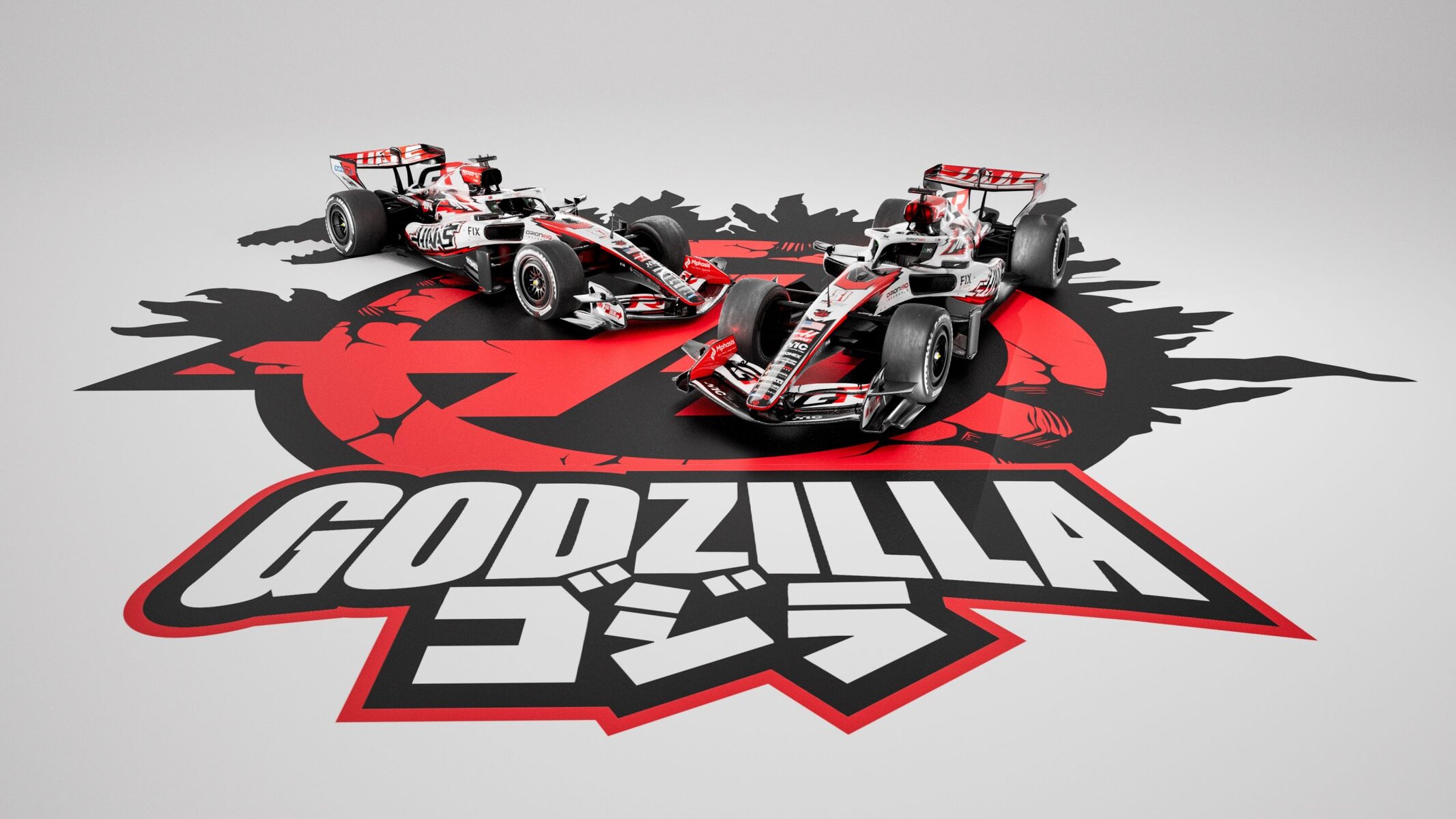
Godzilla themed Haas F1 Team car unveiled for the Japanese Grand Prix

Jak Crawford to take part in Japanese Grand Prix FP1 for Aston Martin