Differential Rules in 2026: Limited Slip and Electronic Control
The differential sits at the rear axle of a Formula 1 car and manages how torque is distributed between the left and right rear wheels. In a corner, the outer wheel must travel a longer arc than the inner wheel, which means it must rotate faster to cover the greater distance in the same time. A solid axle that forces both wheels to rotate at the same speed would cause one wheel to scrub across the track surface in corners, generating heat and wear. The differential allows the wheels to rotate at different speeds while still transmitting drive torque to both. In Formula 1, the specific type of differential permitted and the degree of electronic control allowed over its behavior are defined by the regulations, because the differential’s torque distribution function has a direct and significant effect on the car’s traction out of corners and its stability during cornering.
Limited Slip Differential: The Permitted Type
Formula 1 regulations in 2026 permit a limited slip differential, commonly abbreviated LSD, at the rear axle. A limited slip differential allows speed differences between the left and right wheels up to a limit, after which it increasingly couples the two wheels together to prevent unlimited speed differentiation. This behavior is the core of what a limited slip differential does: it allows the normal speed difference needed for cornering while resisting the extreme differentials that would occur if one wheel were to spin freely while the other receives no torque.
How the LSD Affects Traction
On corner exit, when the driver applies throttle while the car is still turning, the inside rear wheel is unloaded relative to the outside rear wheel because weight has transferred laterally. An unloaded wheel has less grip than a loaded wheel, and if an open differential were fitted, all the drive torque would flow to the unloaded inner wheel, causing it to spin freely while the loaded outer wheel received nothing and the car failed to accelerate. The limited slip differential resists this by coupling the two wheels when the speed differential exceeds its operating threshold, ensuring that at least a portion of the drive torque reaches the outside wheel even when the inside wheel is spinning.
The characteristic of the LSD, specifically how aggressively it couples the wheels under different conditions, is one of the primary setup variables that engineers adjust to optimize the car’s traction and handling balance at each circuit. A more aggressive LSD locks the wheels together more strongly, which improves traction out of slow corners but can increase understeer mid-corner as the differential resists the speed difference needed for the car to rotate. A less aggressive LSD allows more rotation and better mid-corner handling but may limit traction on corner exit at circuits with many slow corners where maximum traction is a priority.
What Type of Differential Is Prohibited
The regulations do not permit an active differential whose torque distribution can be continuously varied by an electronic control system in real time during a lap. An active differential with full electronic control would allow the car’s engineers to program torque vectoring, directing different amounts of torque to the left and right wheels at every point on the circuit, effectively creating a system that steers the car using drive torque in addition to the conventional steering system. This capability would substantially change the handling characteristics of the car and would represent a form of electronic driver aid that the regulations specifically target for exclusion.
The distinction between the permitted limited slip differential and the prohibited active differential is that the LSD responds mechanically to the torque and speed conditions it experiences, through the friction clutch packs or ramps within the unit that generate the locking force, rather than being commanded by a control system to produce a specific torque distribution regardless of the mechanical conditions. The LSD’s behavior can be tuned by adjusting the preload and ramp angles within the unit during a pit stop, which is a permitted mechanical adjustment, but it cannot be changed electronically during a lap by the car’s control systems.
Electronic Differential Control: Permitted Boundaries
While a fully active differential is prohibited, the 2026 regulations do permit electronic management of the differential’s behavior within defined limits. The specific boundary between permitted electronic differential management and prohibited active differential control is one of the more technically nuanced areas of the regulations, and the FIA’s monitoring of the Standard ECU’s software manages compliance with this boundary.
What the ECU Can Do
The ECU can use electronic control of the throttle, the MGU-K’s torque output, and the brake-by-wire system to influence the effective torque distribution between the rear wheels, even without a fully active differential. By momentarily reducing the engine and MGU-K torque as a corner entry approaches and restoring it in a controlled manner on corner exit, the ECU can change the torque conditions that the mechanical LSD experiences, and therefore influence how the LSD’s mechanical locking behavior manifests in practice. This is not the same as commanding a specific torque split to the left and right wheels, but it affects the LSD’s behavior by changing the inputs the mechanical unit responds to.
These permitted electronic functions interact with the differential’s mechanical characteristics in ways that teams develop carefully to optimize the car’s handling balance throughout the lap. The combination of a mechanically tuned LSD and precisely calibrated ECU torque management produces different on-throttle handling behavior from the LSD alone, and getting this combination right for a specific circuit’s corner types and traction demands is part of the detailed engineering work that goes into each event’s car setup. The interaction between differential behavior, MGU-K deployment, and overall car handling is part of the integrated drivetrain picture covered in the 2026 F1 transmission and brakes overview.
Differential Setup Across Circuits
Circuit characteristics have a direct influence on the differential setup that teams choose. The dominant factor is the mix of corner types: a circuit with many tight, slow hairpins where traction on corner exit is the primary performance variable favors a more locked differential setting that maximizes drive torque to both rear wheels during the critical exit phase. A circuit with fast, flowing corners where mid-corner handling balance is most important favors a less locked setting that allows the differential speed action needed for the car to rotate smoothly without tightening up through the corner’s apex.
The Australian Grand Prix circuit, with its mix of tight chicanes and medium-speed corners, typically requires a differential setting that balances traction at slow corner exits against the rotation freedom needed in the faster sections. The Monaco circuit, with its very slow hairpins and limited overtaking opportunities where exit speed is critical, tends toward more aggressive locking to maximize traction, accepting some mid-corner understeer as a trade-off. Teams document the differential characteristics that produce optimal lap times and driver satisfaction at each circuit through their accumulated data from previous events, and this data informs the starting setup for each new visit to a familiar circuit.
Want more F1Chronicle.com coverage? Add us as a preferred source on Google to your favourites list for the best F1 news and analysis on the internet.
From F1 news to tech, history to opinions, F1 Chronicle has a free Substack. To deliver the stories you want straight to your inbox, click here.
For more F1 news and videos, follow us on Microsoft Start.
New to Formula 1? Check out our Glossary of F1 Terms, and our Beginners Guide to Formula 1 to fast-track your F1 knowledge.

Comments
More in News

Lewis Hamilton Net Worth and Salary: Ferrari Contract, Sponsors, and Business Empire
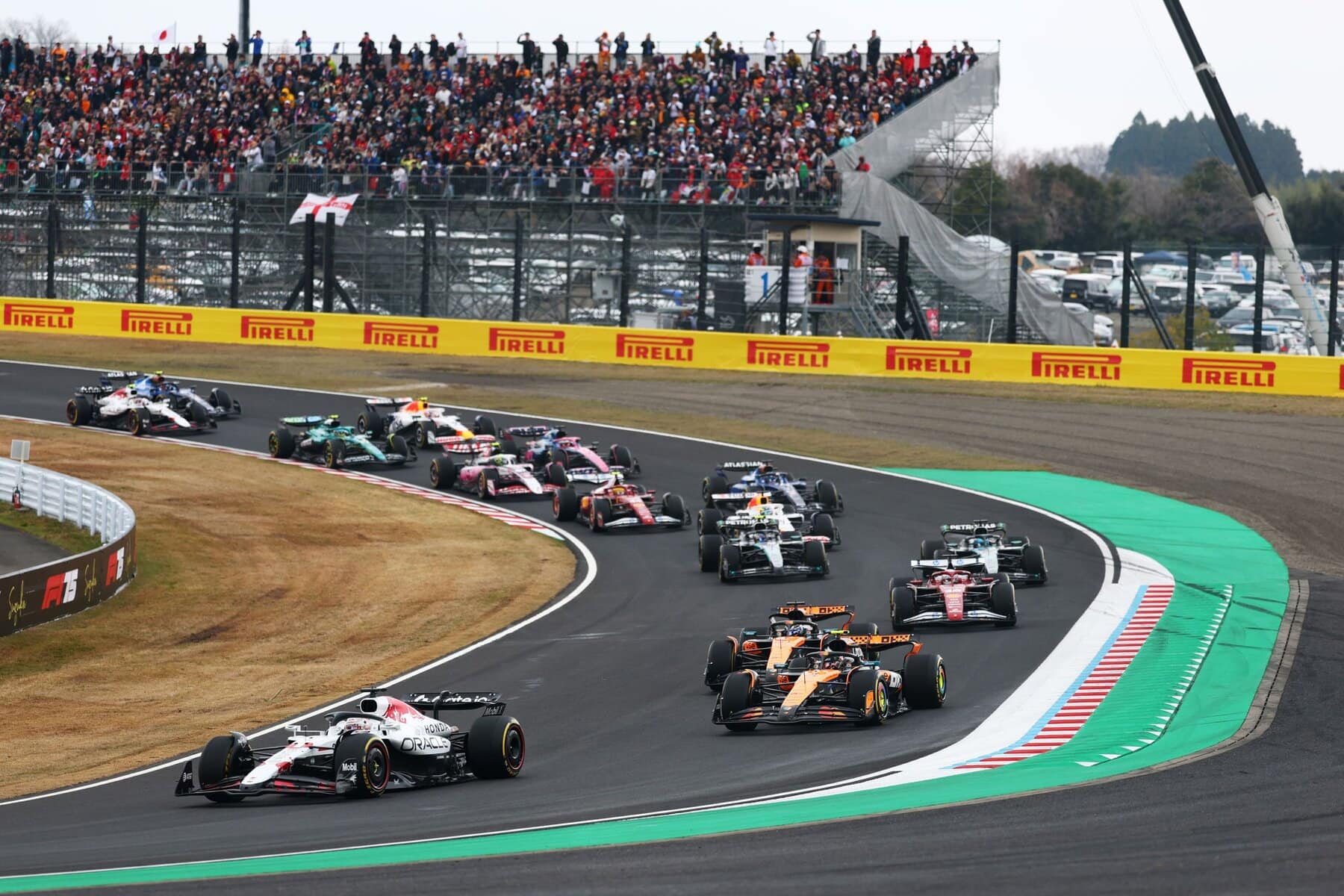
Suzuka’s 130R and the S Curves: F1’s Most Technical Corners Explained
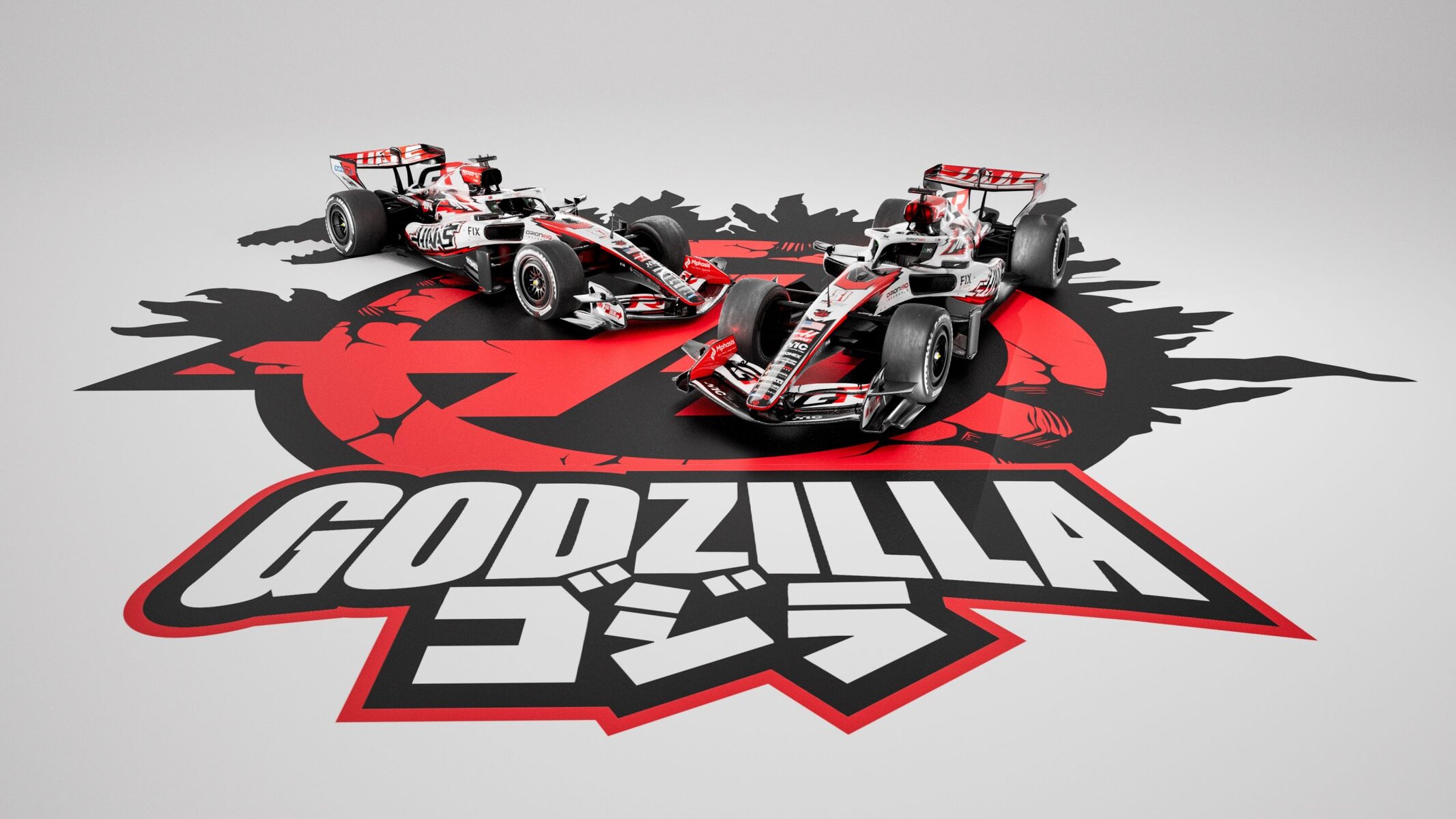
Godzilla themed Haas F1 Team car unveiled for the Japanese Grand Prix
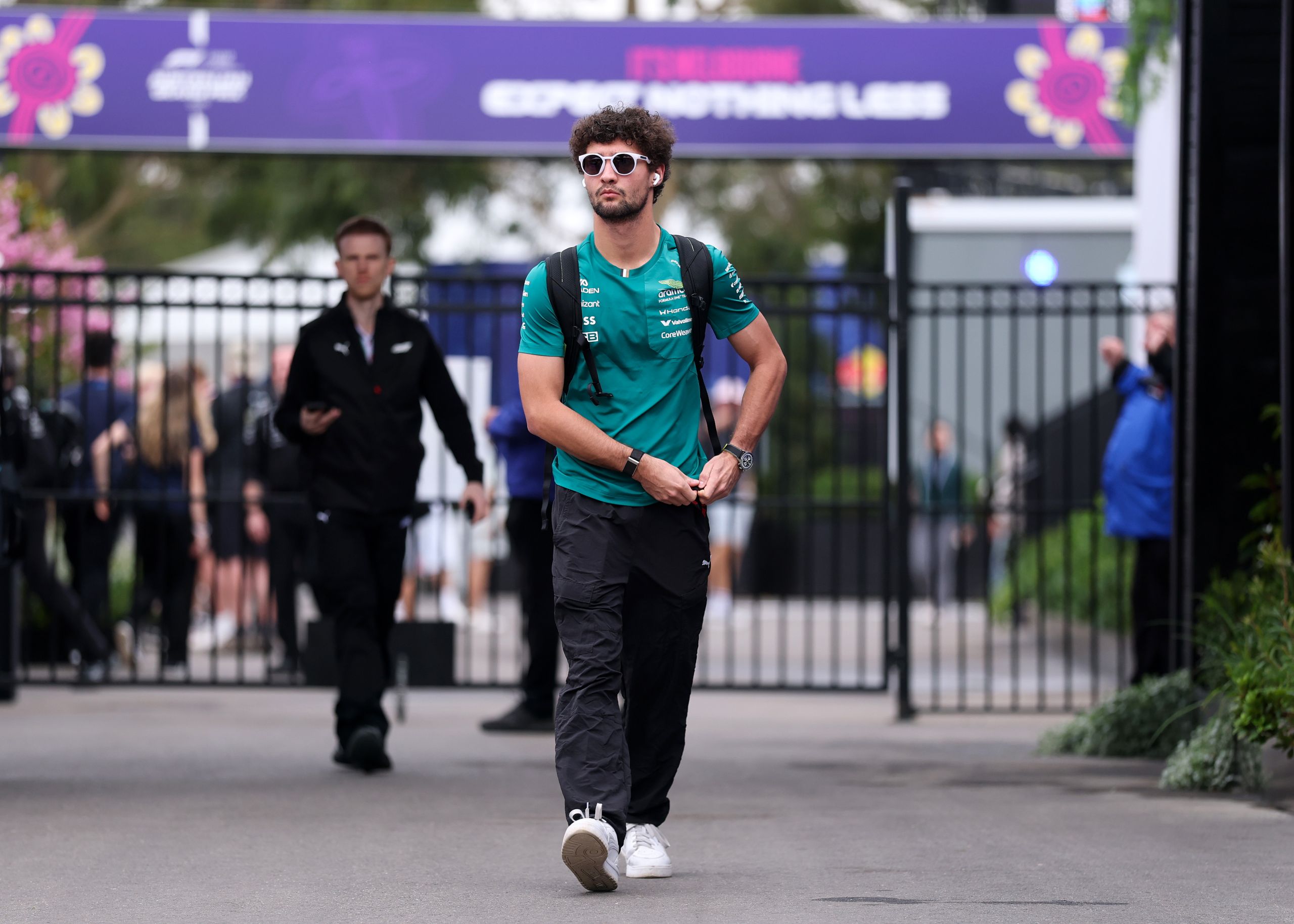
Jak Crawford to take part in Japanese Grand Prix FP1 for Aston Martin