2026 has introduced a whole new host of regulation changes, and Thursday at the 2026 Australian Grand Prix saw the unknown be the hot topic as F1 launches its season down under.
Many drivers have been critical of this new era in the sport, but it also serves as an opportunity. The consensus around the paddock is that the rules are both very complicated and difficult to understand. Seven-time world champion Lewis Hamilton spoke to F1 Chronicle in the Thursday press conference to explain the seismic challenge facing the drivers.
“It’s always challenging when you have rule changes, but this one, particularly, is far bigger, I think, than at least the five I’ve been through,” Hamilton said to F1 Chronicle.
“It’s going to be something where you’re learning off the cuff. We have learnt a lot from the test, but this (the Australian Grand Prix) is also a bit of a test.
“Each weekend, you’re going to be learning more and faced with different challenges from the different characteristics of the circuits.
“It’s a lot to fully understand it.”
Hometown hero and nine-time Formula 1 race winner Oscar Piastri went into the specific challenges he believes the grid will face, which are based on the power unit. This season, the Internal Combustion Engine (ICE) has had its power reduced, whilst the electrical power generated from kinetic energy has been increased, so it is much closer to a 50/50 split. Piastri believes the struggle to keep the battery recharged, depending on the track, will require the most adaptation.
“What is going to be unique and a challenge for us to learn this year is that in the past you’ve kind of gone from track to track and it has different grip levels and downforce,” Piastri said, speaking to F1 Chronicle

Now, from track to track, the power unit will be the biggest factor and how you set things up and where you get the best lap time.
“How you attack different tracks is going to look pretty different and the things we need to do is pretty different, so getting on top of those will be the biggest challenge.”
On a similar note, Carlos Sainz has found that the way these new regulations change the fundamental process for racing drivers. No longer is flat-out effort and pushing to the limit rewarded with as much lap time. Instead, lap time can be found depending on how much battery you’re using or how much you have saved around vital corners and sectors in a lap.
“It takes quite a lot of brain space, and it’s about finding compromise and balance,” Sainz said on Thursday.
“Sometimes going faster through a corner doesn’t give faster lap time. That’s very counterintuitive for a driver.
“It depends on how much energy you’ve spent, so it’s not easy.”
The most vocal and critical driver of this regulation set has been Max Verstappen. The four-time world champion has criticised the changes openly due to the vast amounts of management and the overcomplication that drivers face, particularly around a track without heavy braking zones such as Albert Park. He is pessimistic that the FIA can make changes that are both possible due to teams’ cost cap restrictions and due to the season starting this weekend in Melbourne.
“It’s a bit late for that, right?” Verstappen asked when prompted by F1 Chronicle if these new regulations need to be fluid.
“The amount of money that’s been invested in these regulations will be around for a while.
“You could have seen this coming. Suddenly, now things are raised, it’s a bit late.”
These rules seem controversial to their core. Fans and the sport as a whole will see on-track running for the first time on Friday before we get a proper taste of what this next generation of F1 cars has to offer on Saturday and Sunday. Racing will be fundamentally different, but whether that’s for better or worse will be found this weekend.
Want more F1Chronicle.com coverage? Add us as a preferred source on Google to your favourites list for the best F1 news and analysis on the internet.
From F1 news to tech, history to opinions, F1 Chronicle has a free Substack. To deliver the stories you want straight to your inbox, click here.
For more F1 news and videos, follow us on Microsoft Start.
New to Formula 1? Check out our Glossary of F1 Terms, and our Beginners Guide to Formula 1 to fast-track your F1 knowledge.

Comments
More in News

Lewis Hamilton Net Worth and Salary: Ferrari Contract, Sponsors, and Business Empire
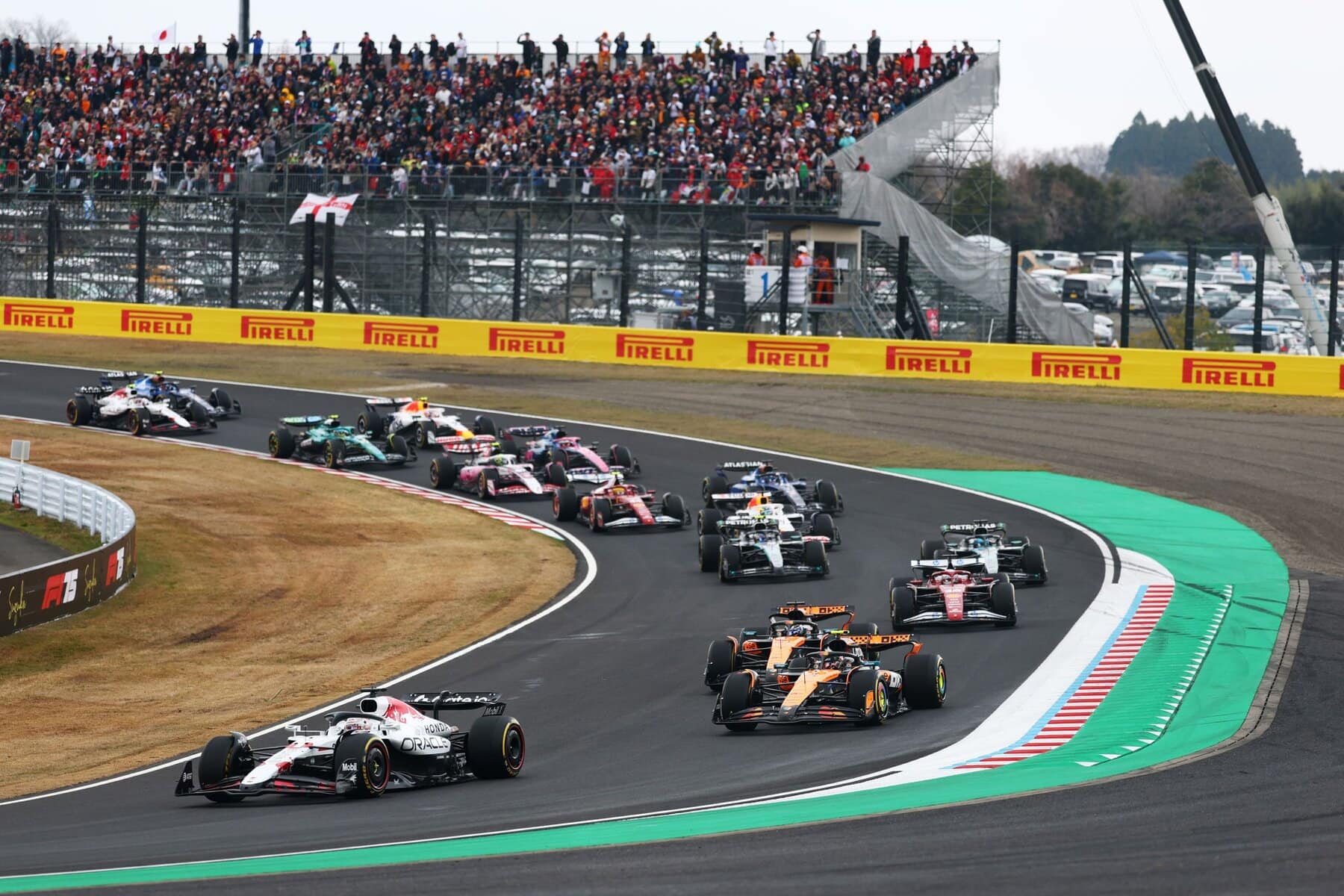
Suzuka’s 130R and the S Curves: F1’s Most Technical Corners Explained
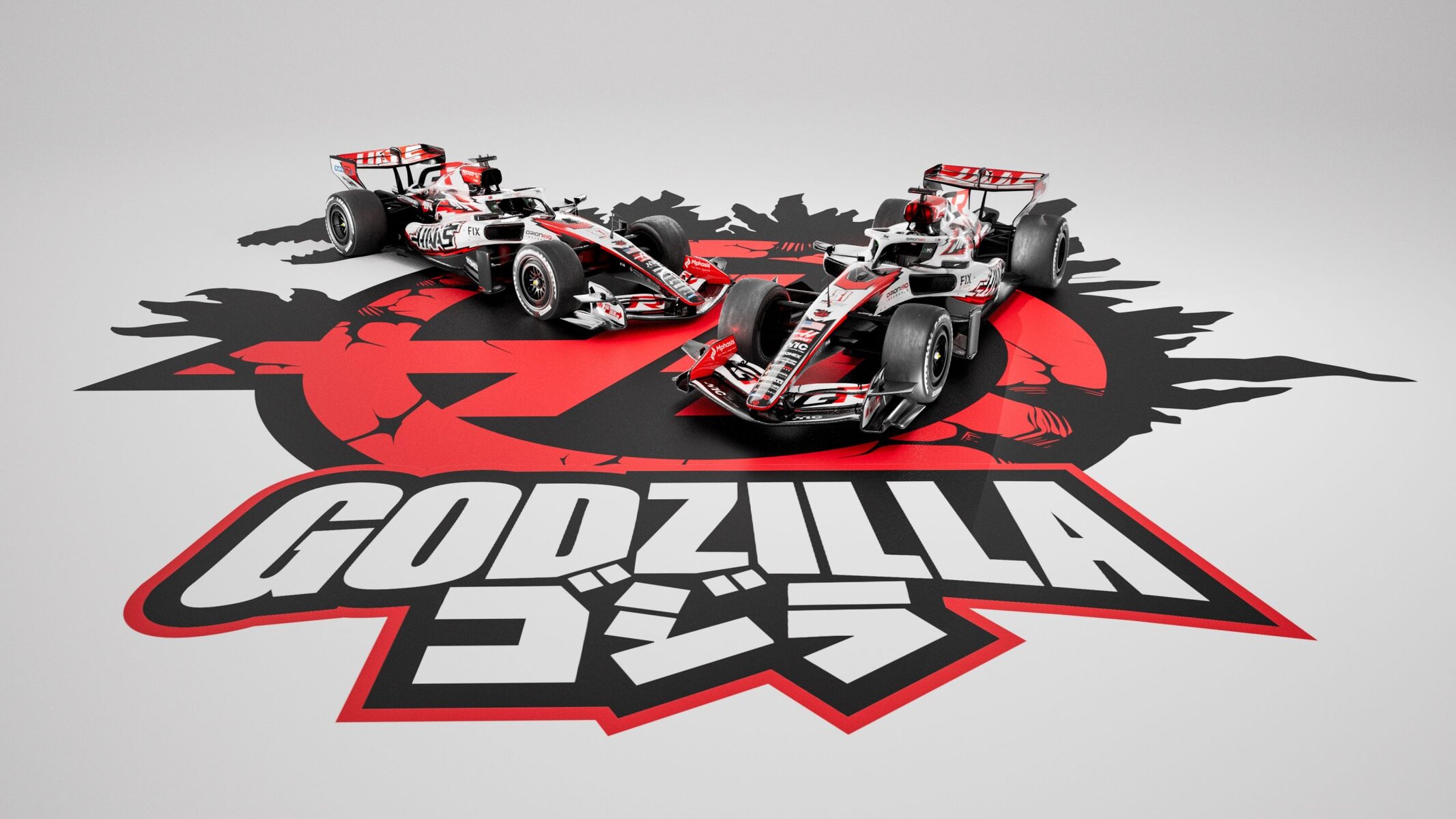
Godzilla themed Haas F1 Team car unveiled for the Japanese Grand Prix
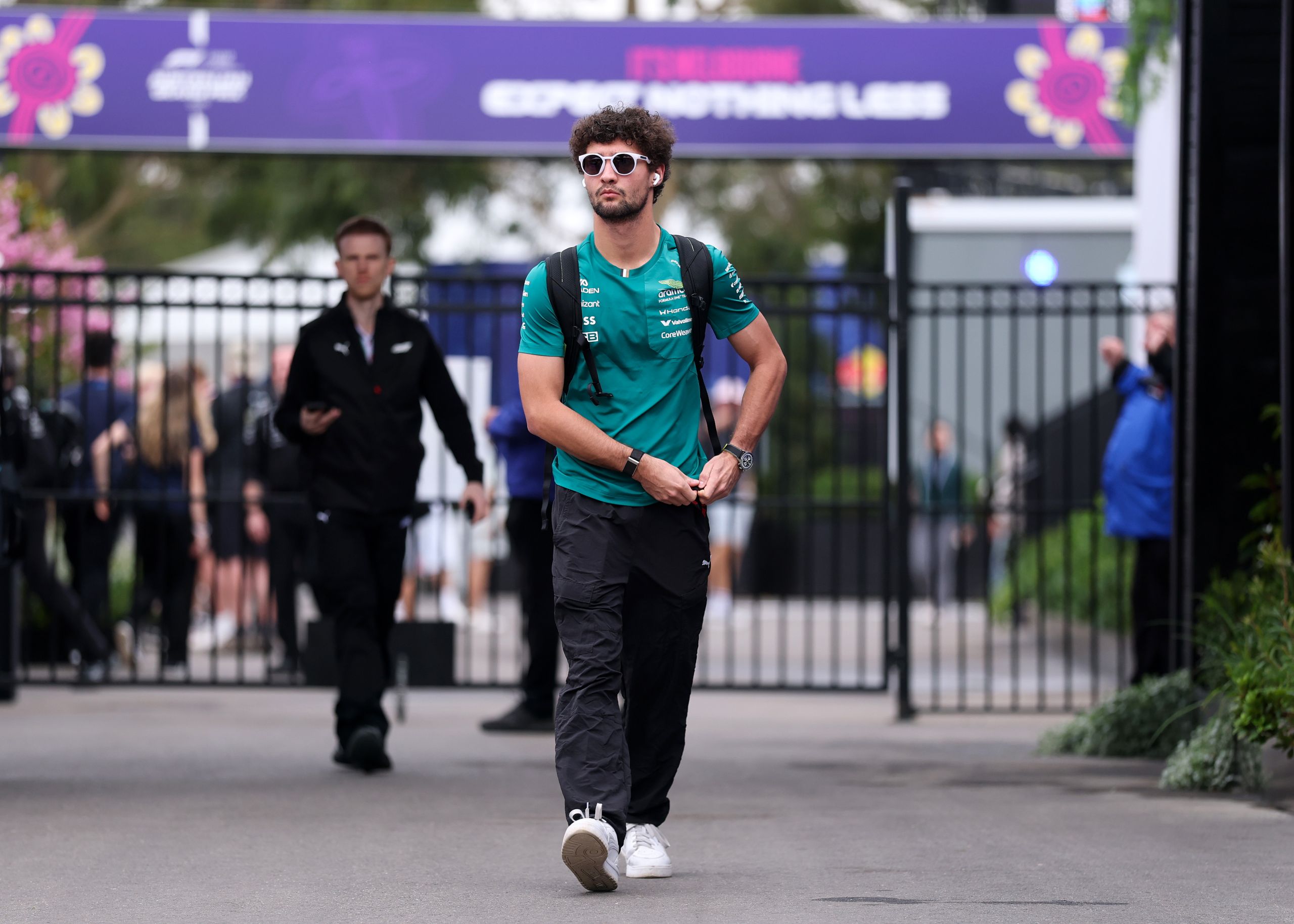
Jak Crawford to take part in Japanese Grand Prix FP1 for Aston Martin