2026 F1 Halo Device Regulations Explained
Few safety innovations in Formula 1 history have provoked as much debate as the Halo. Introduced in 2018, the titanium head protection device was controversial from the start — critics called it ugly, engineers called it essential, and its effectiveness has since been demonstrated in multiple high-profile incidents. For 2026, the Halo remains a central element of driver protection, with updated regulations governing its specification and integration. This article is part of the 2026 F1 Safety Regulations content hub.
What Is the Halo?
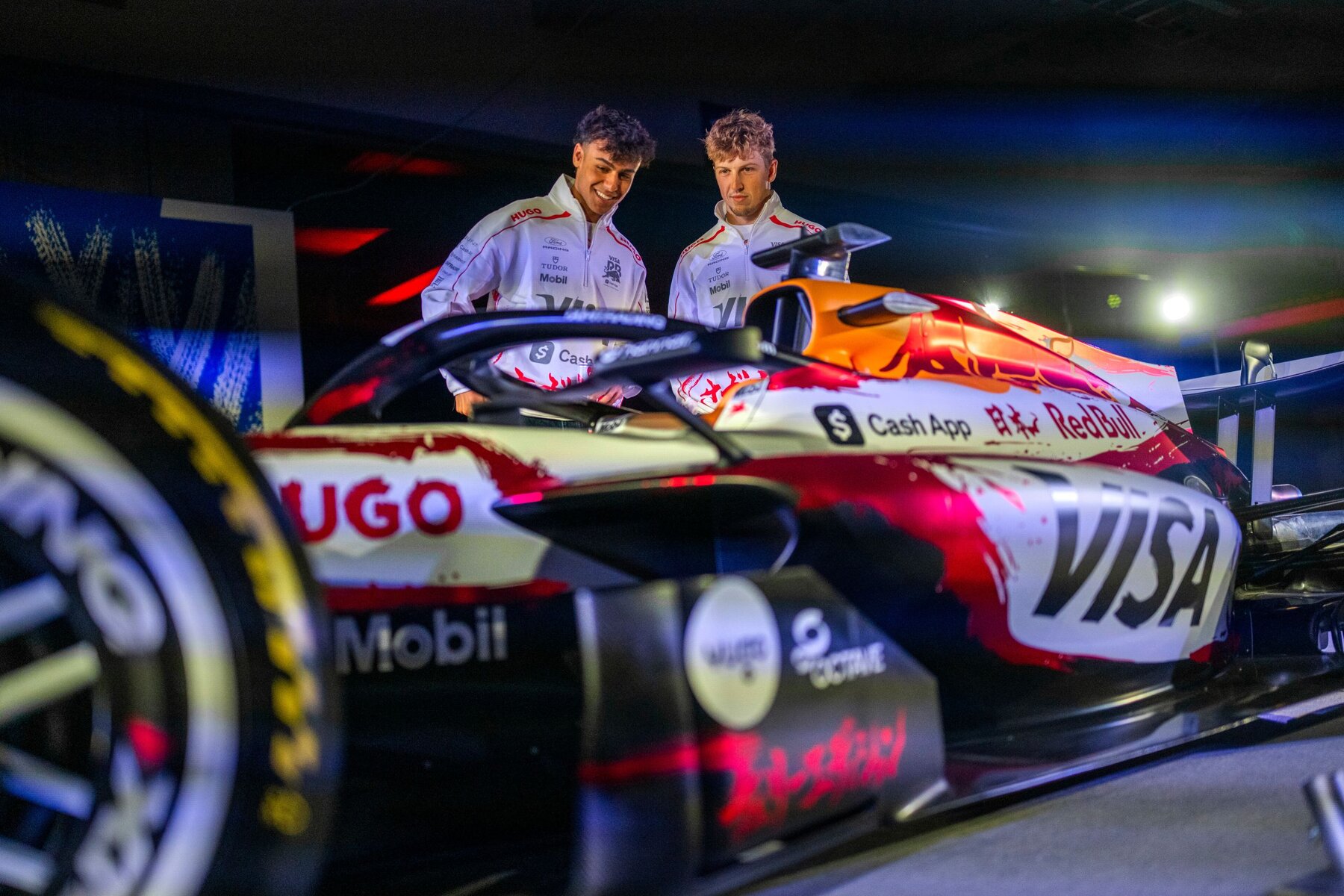
The Halo is a curved titanium structure that spans the cockpit opening, connecting to the survival cell at three points: two at the sides and one at the front. Its primary function is to deflect large objects — wheels, debris, barriers — away from the driver’s head. The central post at the front splits the driver’s forward view, an aspect that drivers quickly adapted to and which is now universally accepted as a worthwhile trade-off for the protection offered.
The Halo is a homologated FIA component, meaning its design and specification are controlled by the governing body rather than left to individual teams. All teams use the same Halo structure, though integration into each car’s specific chassis design varies.
Structural Performance
The Halo must pass stringent load tests before it can be approved for use. The central post is required to withstand a static load equivalent to the weight of a double-decker bus — approximately 125 kN — without failure. This requirement was set to ensure the structure could handle the most extreme foreseeable loads, including a car landing on the Halo during a multi-car accident.
Real-world incidents have validated this approach. In multiple accidents since 2018, the Halo has been credited with preventing serious or fatal head injuries, transforming a theoretical safety standard into a proven life-saving device. The 2026 regulations preserve these performance requirements while integrating the Halo within the updated chassis architecture.
Integration with the 2026 Cockpit
The 2026 regulations bring changes to cockpit dimensions and the surrounding bodywork structure. The Halo’s attachment points and geometry must be compatible with the updated survival cell specification. Teams developing their 2026 cars must ensure the Halo integration does not compromise the structural integrity of the monocoque, a constraint that influences decisions made early in the chassis design process.
For a detailed look at the broader changes to the 2026 cockpit environment, including seat, headrest and visor duct specifications, see the article on 2026 F1 Cockpit Changes.
Aerodynamic Considerations
The Halo sits in a sensitive aerodynamic zone. Air flowing over the top of the survival cell interacts with the Halo structure before reaching the engine air intake. Teams invest in computational fluid dynamics analysis to understand how the Halo influences this flow, designing the surrounding bodywork to minimise any performance penalty while complying with the strict constraints on Halo modification.
Teams are not permitted to add aerodynamic appendages directly to the Halo structure, but they can design the bodywork around it to manage airflow. This constraint has driven some creative solutions in the area immediately around the cockpit opening.
Driver Visibility and Adaptation
When the Halo was first proposed, driver visibility was a major concern. The central post sits directly in the driver’s line of sight to the apex of a corner. In practice, drivers have reported that their brains quickly adapt to seeing around the obstruction, much as a human naturally compensates for the blind spot in each eye. Drivers who have raced both with and without the Halo consistently report that visibility is not a meaningful operational issue.
Why the Halo Remains Non-Negotiable in 2026
The safety record of the Halo since 2018 has removed any serious discussion about reversing the mandate. The question for 2026 is not whether to use the Halo but how to integrate it most effectively within the new car architecture. Ongoing research explores whether additional transparent protection elements could be added in the future, but for 2026 the Halo in its current form remains the standard.
Conclusion
The Halo is now an established part of Formula 1’s safety architecture, and the 2026 regulations affirm its continued role. From its structural requirements to its aerodynamic interaction with the surrounding bodywork, every aspect of the Halo’s integration reflects the sport’s commitment to protecting drivers at the highest levels of competition.

Comments
More in News

Lewis Hamilton Net Worth and Salary: Ferrari Contract, Sponsors, and Business Empire

Suzuka’s 130R and the S Curves: F1’s Most Technical Corners Explained

Godzilla themed Haas F1 Team car unveiled for the Japanese Grand Prix

Jak Crawford to take part in Japanese Grand Prix FP1 for Aston Martin