
The last two races of the 2026 season remain a point of discussion within the Formula 1 community over the uncertainty around their proceedings. But when seen from a purely sporting perspective, whether the two races remain on the calendar or not, it will hardly have any impact on the season. And it is a theme that has prevailed in F1 for the better part of a decade.
For a major chunk of the F1 fans, the drivers’ title is all that truly matters, and once that is decided, the remaining races lose a certain competitive charm. The sport and team bosses can still try to hype up the battle for P2, or the ‘best of the rest’ title, but only a very small chunk of the fans actually care about these things.
Now, an argument can be made that the rather inconsequential element of the season-ending races adds to the drama when championship battles do eventually go down to the final race. But it’s not a particularly strong opinion.
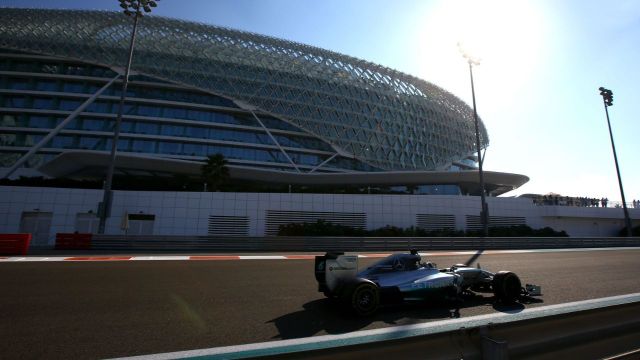
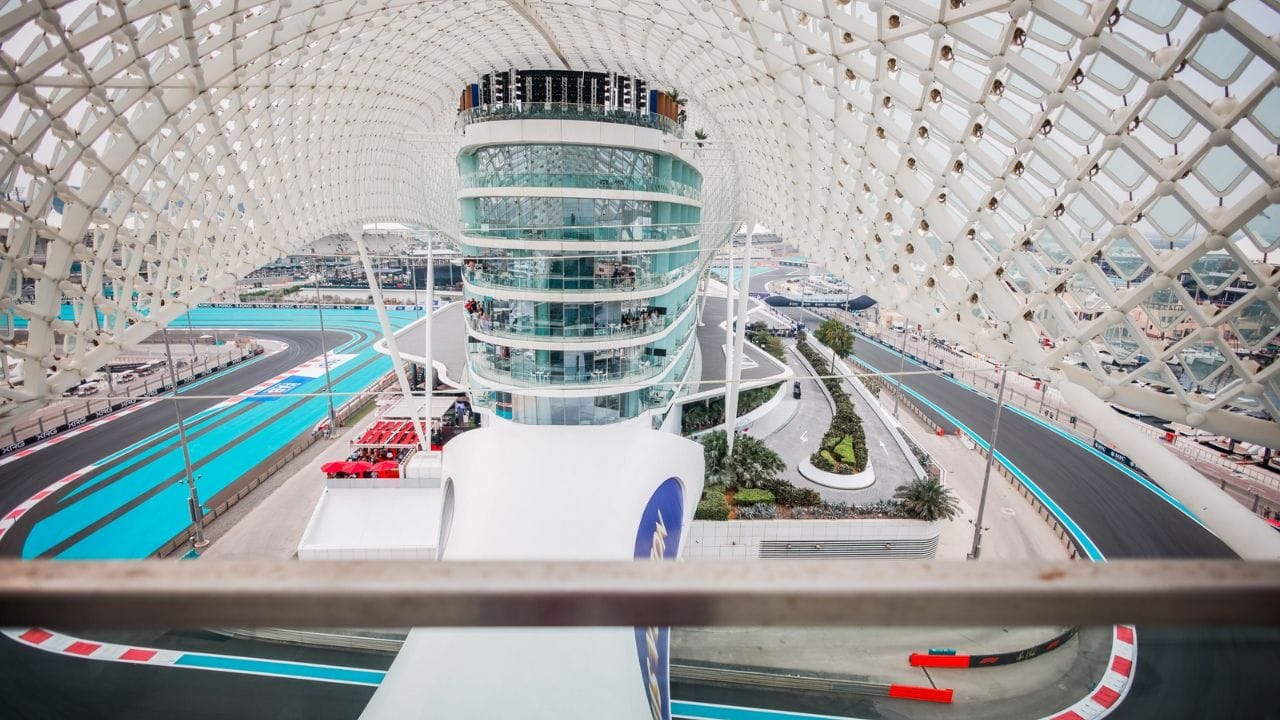
Abu Dhabi pays F1 nearly $42 million (£31 million) for the rights to stage the season finale. And for eight of the last 11 seasons, the venue has had no say in deciding the title fight.
For a sport dedicated to pushing the bar every chance they get, there is no easy remedy in sight. But given their inclination to grow in the U.S., perhaps the sport might be interested in looking at a post-season playoff round, recently reintroduced by NASCAR.
Not All Final Two F1 Races Have Been Consequential
Over the last 11 seasons, in which the penultimate race has rotated between Brazil, Sakhir, Las Vegas and Qatar, followed by the finale in Abu Dhabi, only three campaigns have seen the drivers’ title decided in the final two races of the season, with the first one coming in 2016.
Mercedes teammates Lewis Hamilton and Nico Rosberg took their intense rivalry to the Abu Dhabi Grand Prix. Hamilton needed a victory and hoped Rosberg would finish fourth or lower to snatch the title.
Despite Hamilton deliberately slowing the pace in the closing stages to bring Sebastian Vettel and Max Verstappen into contention, Rosberg held his nerve to finish second and claim his maiden World Championship by just five points.
Five years later, the sport witnessed arguably one of the most dramatic and controversial championship finales in its history. Verstappen and Hamilton arrived in Abu Dhabi level on points, with a winner-take-all race attracting all the attention in the world. A late race incident allowed an opportunistic Verstappen to pip Hamilton for the race win and take his first-ever world championship.
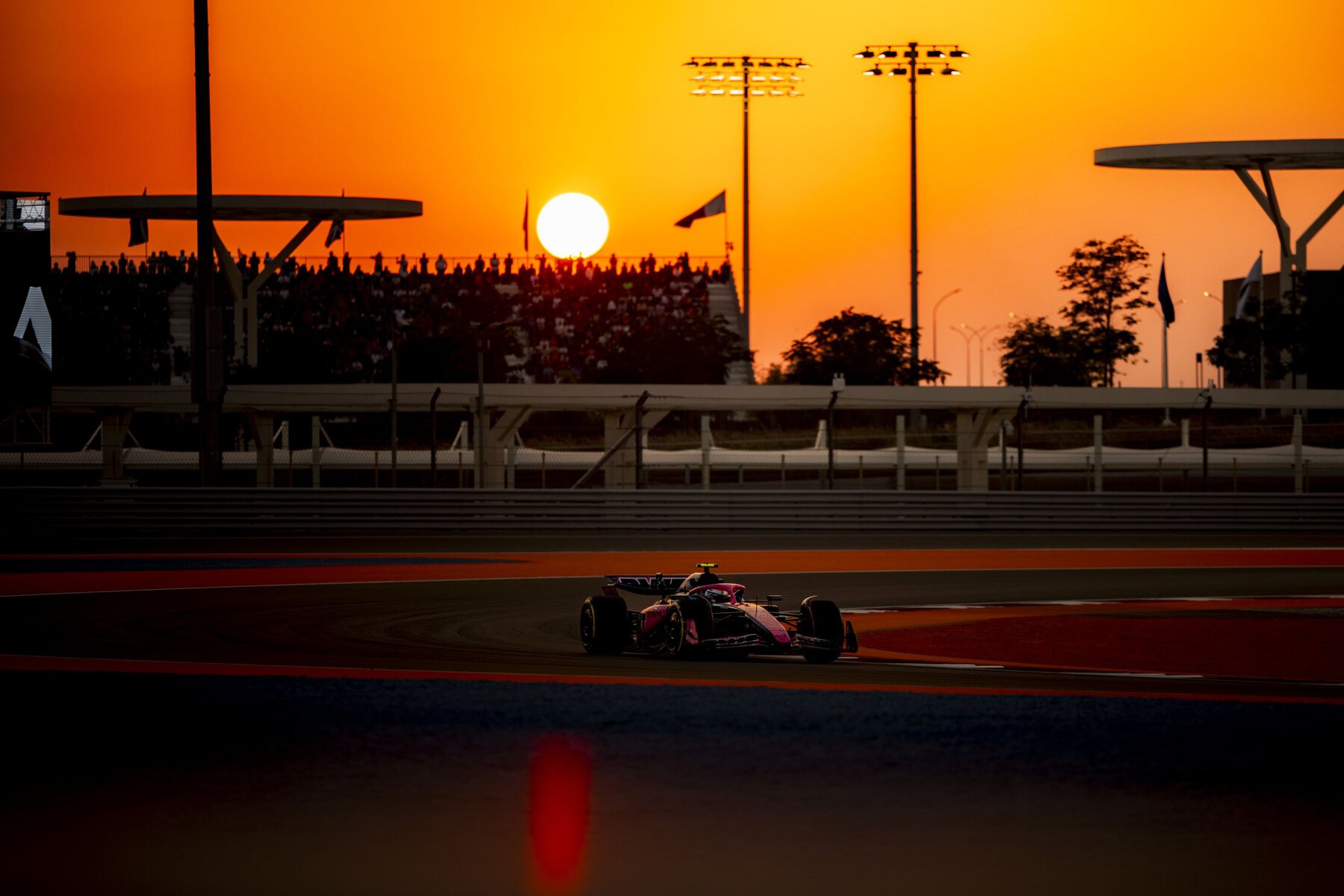
The most recent addition to this exclusive list came in 2025, when three drivers remained in contention heading into the season-ending Abu Dhabi Grand Prix: Lando Norris, Verstappen and Oscar Piastri. Verstappen arrived 12 points behind championship leader Norris, while Piastri was another four points adrift. Verstappen did everything he could, securing victory at Yas Marina, while Piastri finished second.
However, Norris kept his composure under immense pressure to secure third place, enough to clinch his maiden Drivers’ Championship by just two points.
The Seasons Where One Driver Ruled All Others in Formula 1
While there have been instances of titles going down to the wire, some of the recent F1 seasons have seen championships decided on the back of pure dominance across a season. Two of those instances have come at the hands of Verstappen, who overcame an early challenge from Ferrari and Charles Leclerc to win 15 races in a single season. He finished with 454 points, 146 clear of Leclerc, securing his second consecutive title with considerable room to spare in 2022.
The next year, the now 29-year-old would deliver arguably the most dominant season in the history of F1 as he rode to 19 (out of 22) race wins in a single season. The Dutch driver broke one record after another, and finished the championship with 575 points, a staggering 290-point advantage over teammate Sergio Perez, who finished P2.
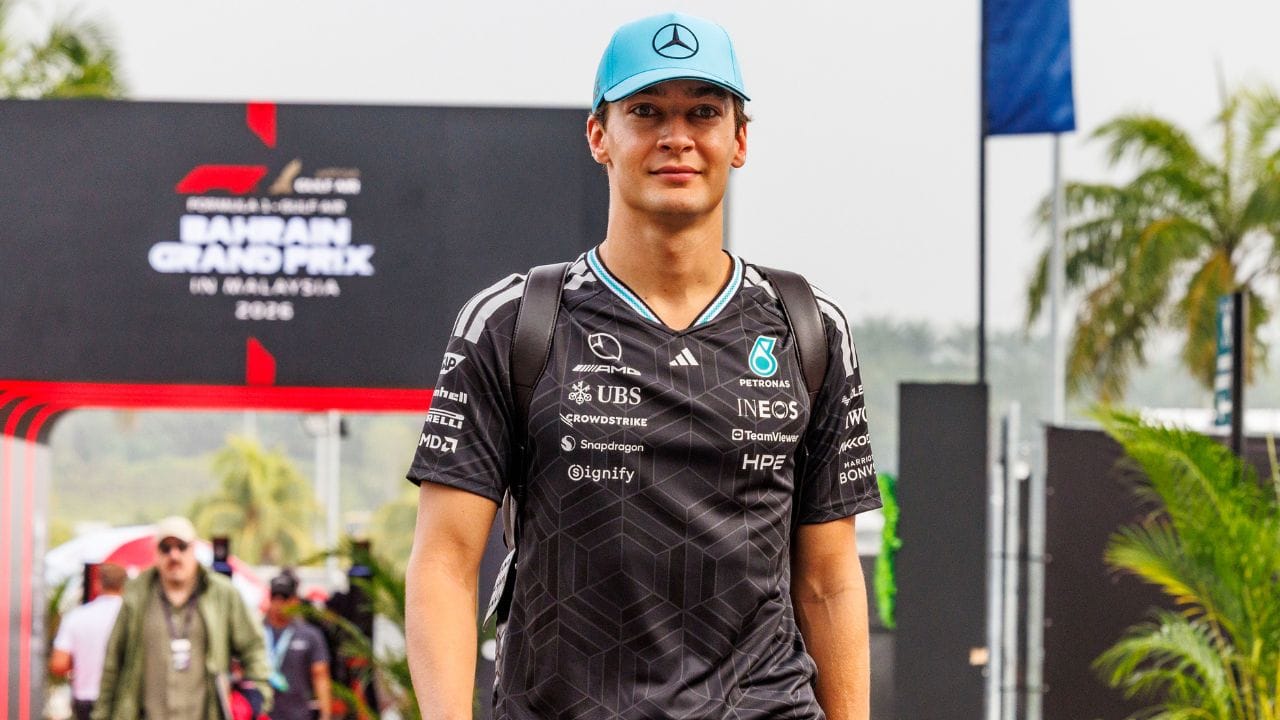
This year, Kimi Antonelli delivered a similar performance, having outlasted a challenge from teammate George Russell. The 20-year-old had one hand on the trophy after the Bahrain GP in Malaysia this season, with the official confirmation coming in Mexico City, with a lead of 119 points and four races still left in the season.
More F1 Reading
- Formula 1 Broadcasters Threaten Qatar and Abu Dhabi Boycott Over Middle East Conflict: Bild claims
- ‘Midterm Election in the U.S. Has Worked in F1’s Favor’: Kym Illman Is Confident F1 Will Race in Qatar and Abu Dhabi
- US Government Puts Qatar and UAE Under Level 3 Travel Caution as F1 Green Lights Middle East Races Amid Conflict
- F1 Insists Qatar and Abu Dhabi Races Go On, Max Verstappen Doubts Teams Will Split
Comments
More in News

Oscar Piastri Cuts Ties With Mark Webber’s Management After Seven Years Together

One Day After Lando Norris’ Win, Select Fans Can Already Buy 2027 Sao Paulo GP Tickets on Presale

‘We Are Getting Used to P21 to P2’: Laurent Mekies Hails Max Verstappen’s Interlagos Fightback
‘This Is What It’s About’: George Russell Finds Joy in Mercedes’ Championship Despite a Difficult 2026 Season