
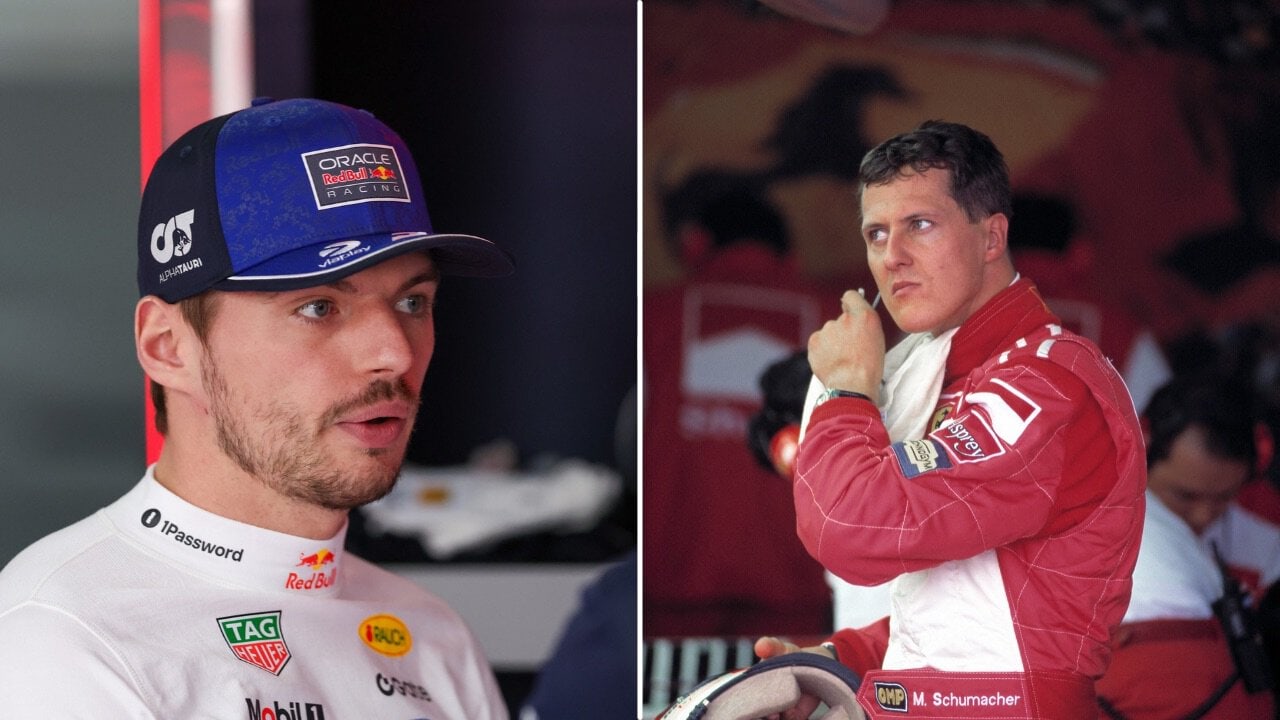
Red Bull driver Max Verstappen has broken Michael Schumacher‘s 9-0 record against a teammate at a single track. With his P2 finish at the Sao Paulo GP on Sunday, the Dutchman has now gone 10 races without being beaten by a teammate at the Interlagos track, breaking the seven-time world champion’s all-time record.
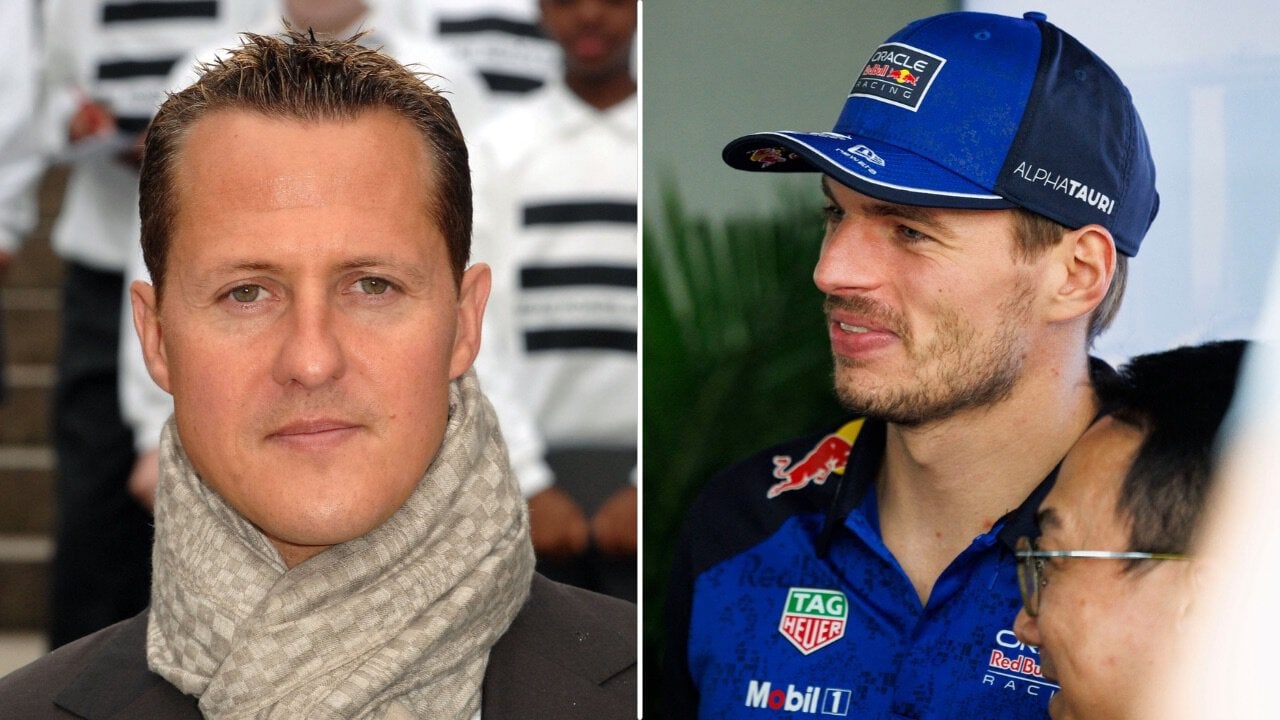
The Magny-Cours circuit that hosted the French GP was Schumacher’s most successful track as the German driver claimed eight wins at the venue. Incidentally, the legend also never lost to a teammate at the track when he finished the race, as he held a perfect 9-0 record against his teammates there. This was across his time with Benetton and Ferrari, racing 15 times at the track.
But this record has now been beaten by Verstappen following his P2 finish at the Sao Paulo GP this year. With this finish and triumph over Red Bull teammate Isack Hadjar (P3), the four-time world champion has now achieved a 10-0 record over his teammates at the Jose Carlos Pace circuit.
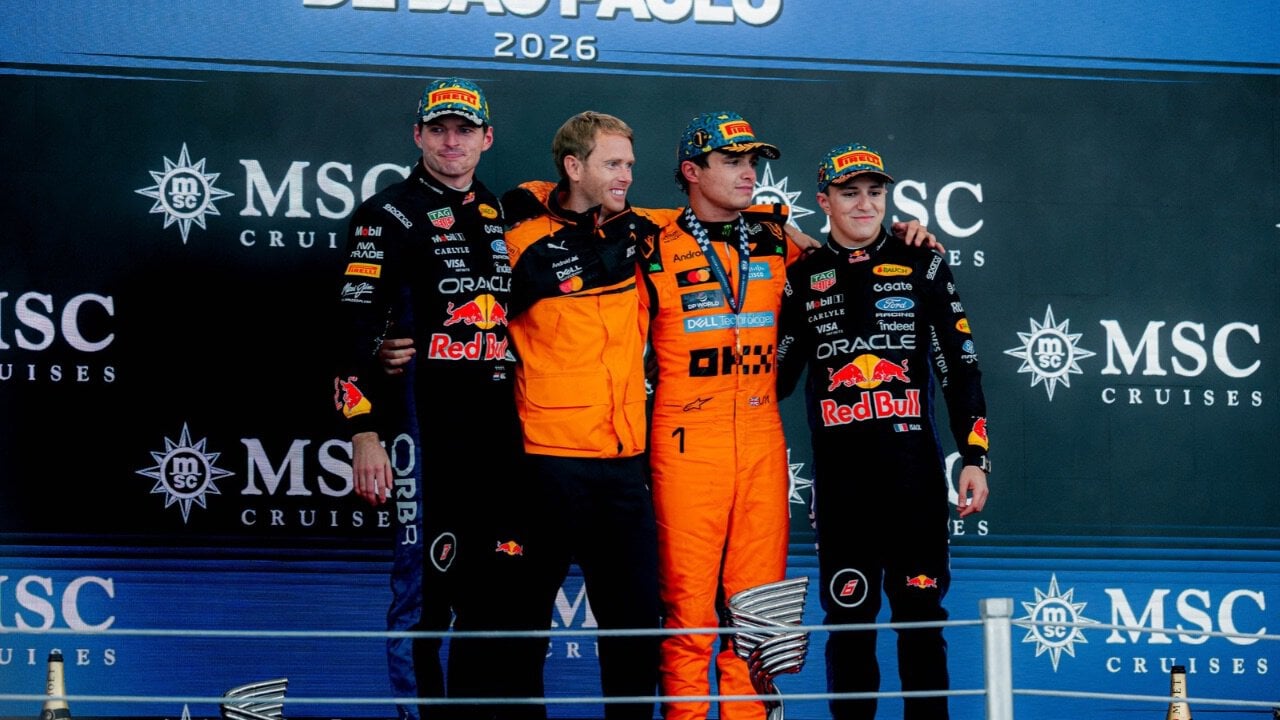
Verstappen’s record has also come in consecutive years, as the driver has always beaten his teammate who has also finished the race since 2016. Interestingly, he also beat Carlos Sainz at Toro Rosso in 2015, but since the Spaniard retired from the race, this does not count for an official head-to-head statistic.
Team Orders Helped Max Verstappen Finish Ahead of Teammate Isack Hadjar at the Sao Paulo GP
Team orders from Red Bull on Lap 38 of the Sao Paulo GP allowed Verstappen to get past Hadjar into P2 and go after race leader Lando Norris. But Verstappen was unable to catch the Briton, while Hadjar remained within a second behind.
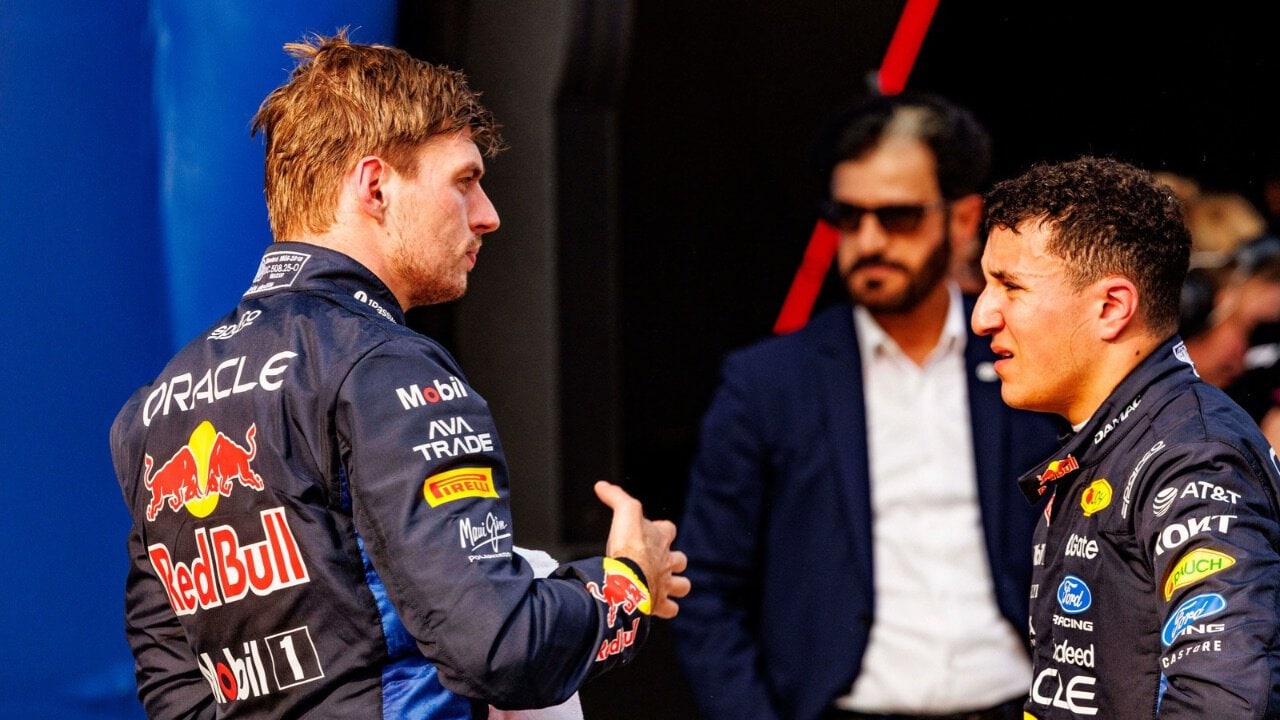
Verstappen then got the preferential strategy, pitting for fresh tires on Lap 45, while Hadjar only came in on Lap 50. In this stint, with five-lap-younger tires, Hadjar was quicker than Verstappen, and even enquired if Red Bull would swap the two drivers back again.
But this then went out of the question as the rain came in and both drivers pitted again on Lap 62. Following this, Verstappen put a nearly 10-second gap on the Frenchman by the end of the race.
But the 29-year-old did not simply ride off into the distance initially and was helped by the team orders to secure P2 in the first place over his teammate.
Red Bull Boss Explains Why Team Did Not Swap Max Verstappen and Isack Hadjar Back in Brazil
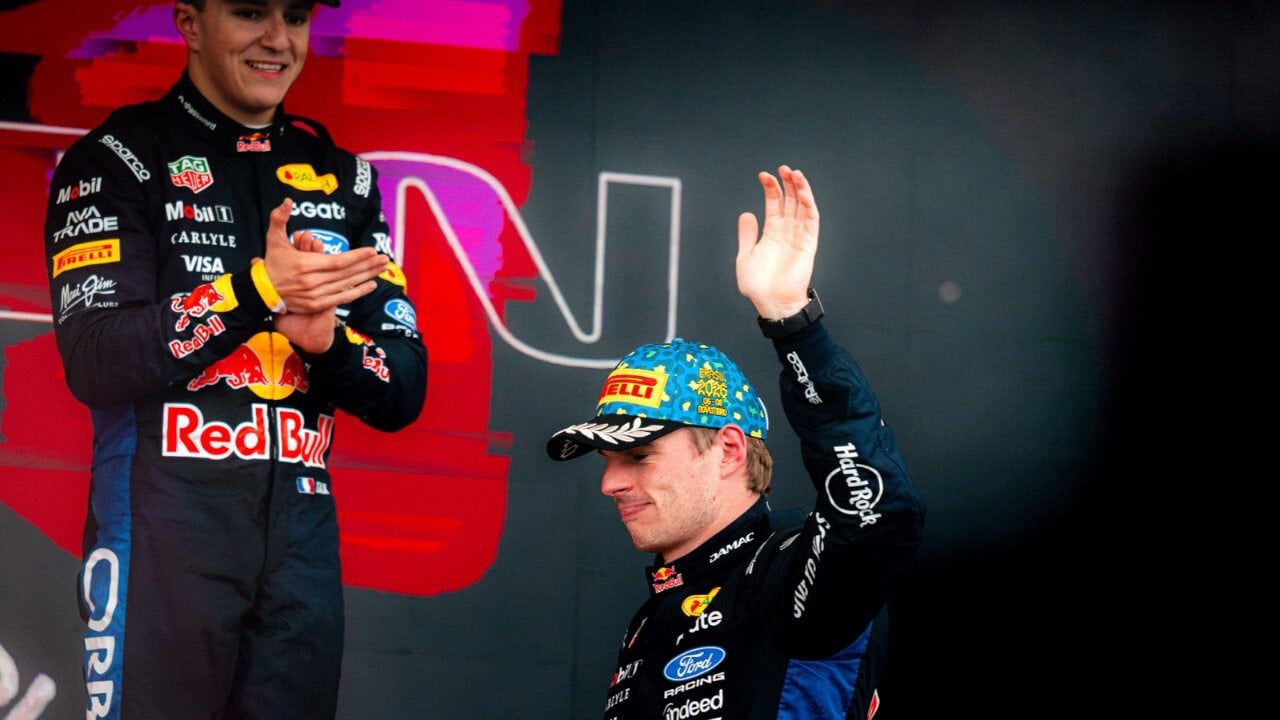
Red Bull Racing CEO and team principal Laurent Mekies explained that the team would have asked the drivers to swap back had they been closer toward the end of the Sao Paulo GP. He added that since the gap became large towards the end, it did not make sense to make the call.
“Yeah, I think we would have done it if the cars had stayed close together; we would have done it. Because Isack had a very strong pace and he stayed with Max, as we have seen after the swap.
“But then, as the race panned out and the rain came again, the cars were very, very distant, and it would not have made sense. Plus the increase in rain intensity at the end, like it would not have made any sense,” Mekies told the media after the race on Sunday.
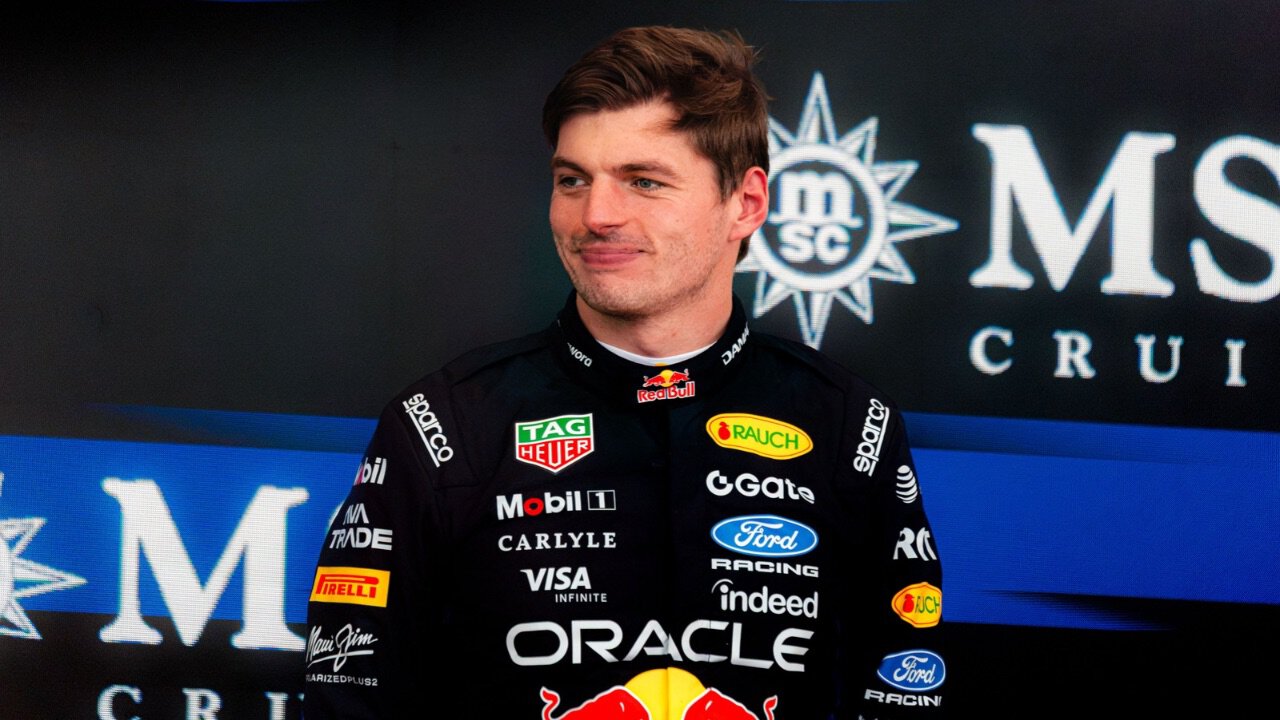
Even if Red Bull did make the call, Verstappen agreeing to it and executing it is another question. The Dutchman infamously ignored Red Bull’s call at the end of the 2022 Sao Paulo GP to let teammate Sergio Perez back through to take P6, after team orders were brought out to ask Perez to let Verstappen through a few laps before.
Perez was assured that Verstappen would let him by again if he couldn’t catch Fernando Alonso in P5, but this did not happen. Verstappen even asked the Red Bull team never to ask him to do such a thing ever again following the pit wall’s incessant requests to swap back.
More F1 Reading
- Ferrari’s Poor Radio Communication With Lewis Hamilton and Charles Leclerc Flagged After Brazil GP
- ‘Shame for the Penalty’: Charles Leclerc Reacts After Late Setback at São Paulo GP
- ‘We Knew It Would Be a Tricky One’: Fred Vasseur Gets Honest About Ferrari’s Tyre Struggles at São Paulo GP
- Max Verstappen Would Have Been Told to Surrender Second Place to Hadjar at São Paulo Grand Prix, Mekies Confirms
Comments
More in News

Kim Kardashian’s Israel Ties Draw Lewis Hamilton’s ‘Free Palestine’ Sincerity Under Scrutiny
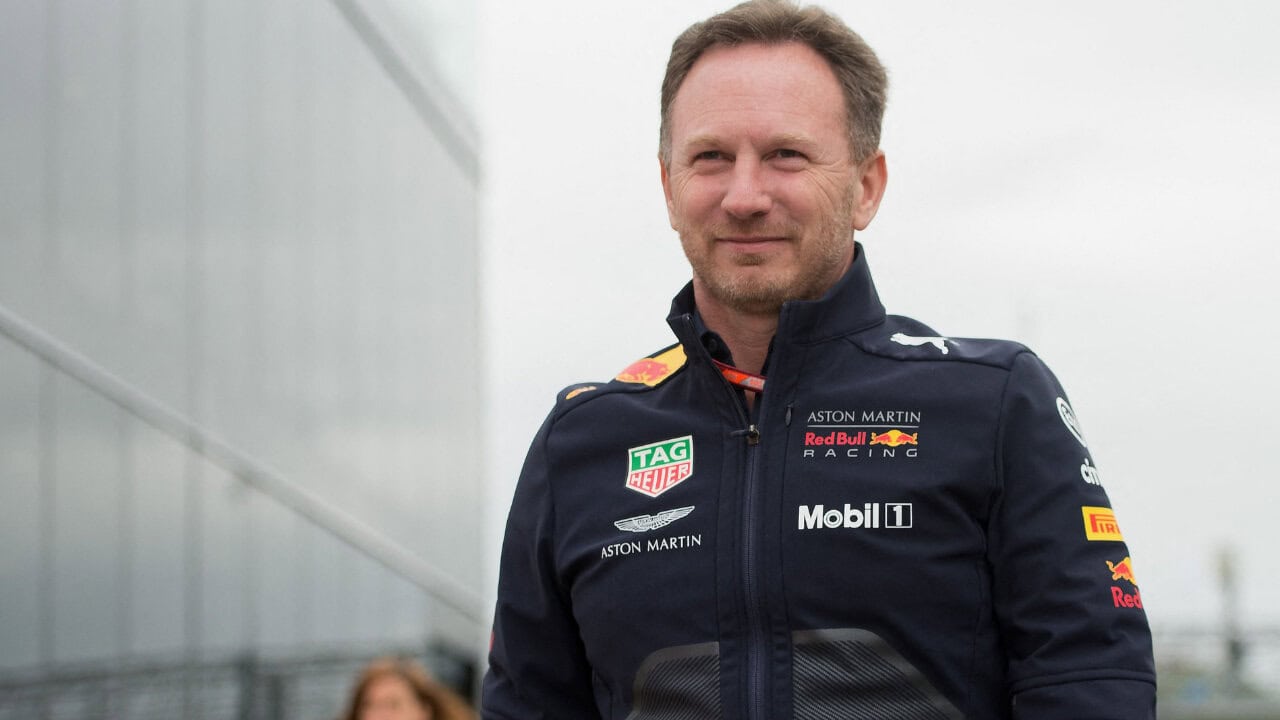
Patrick Mahomes, Travis Kelce, Rory McIlroy’s $787M F1 Link Could Mark Christian Horner’s Comeback

Ex-Grid Girl Wants Sydney Sweeney To Lead Them Back to F1: ‘She’d Make So Many People Angry’

Old Rival Gives Mantra on How to Beat Lewis Hamilton to F1 Title: ‘It Will Unsettle Him’
