
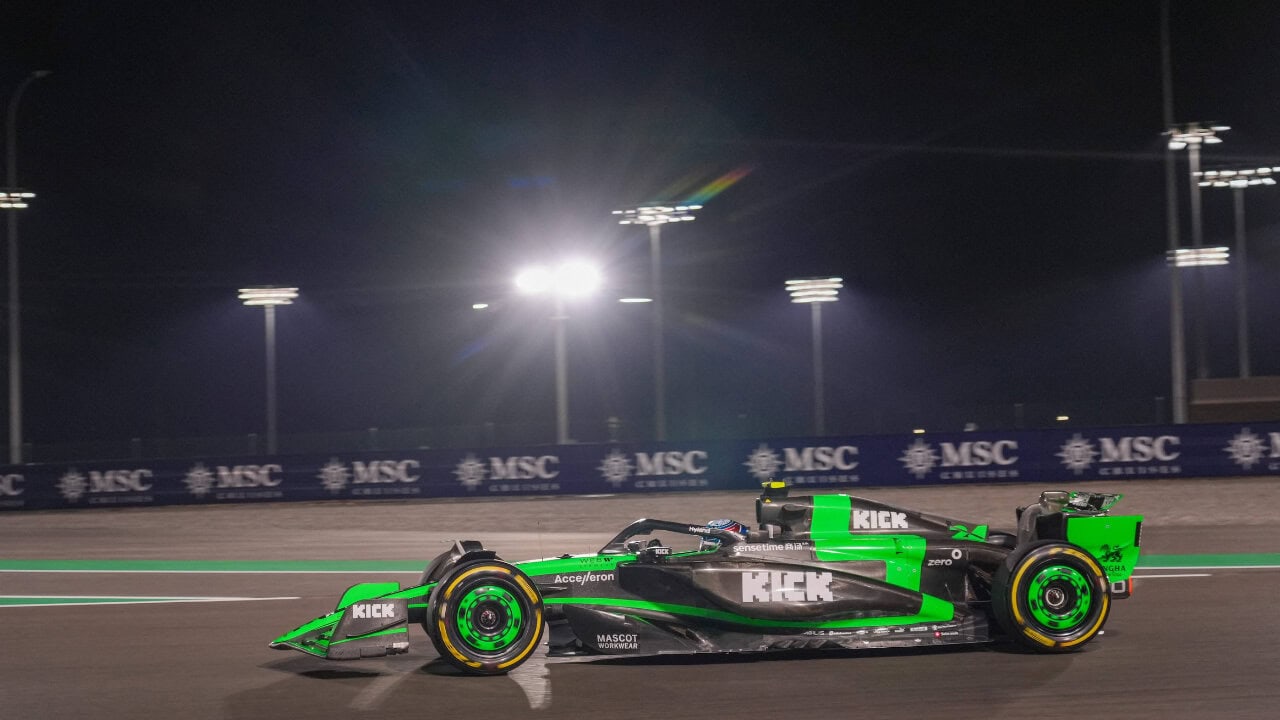
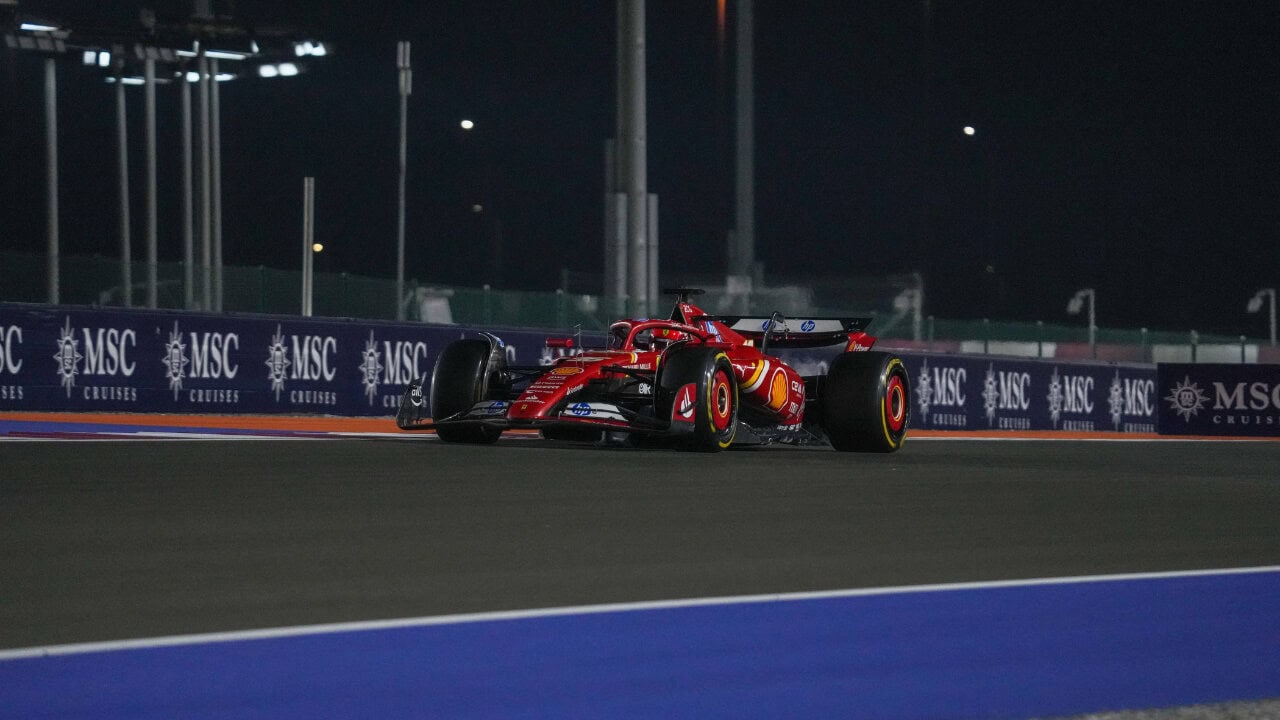
Formula 1 heads to the Lusail International Circuit for the Qatar GP from November 27 to 29, but several familiar faces will be missing from the paddock. Ongoing security concerns in the Middle East have prompted major broadcasters to keep their editorial teams at home.
However, fans will still receive live race coverage, with studios in Europe handling the weekend.
The decision has raised questions about how broadcasters will report from a race without their usual trackside journalists.
Sport1 explained its position clearly: “We have decided to forego an editorial team on site.” Its commentary will come from Unterföhring, near Munich, while its coverage of practice, qualifying and the Grand Prix will continue as normal.

The change affects how the networks gather information, not whether viewers can watch the action.
Which Broadcasters Will Avoid Qatar?
Sky Germany, France’s Canal+, Austria’s ServusTV, and DAZN’s Spanish operation are among the broadcasters expected to cover the Qatar GP without sending their regular teams to Lusail.
Sky Germany will operate from its studios near Munich, while Canal+ will produce its coverage from Paris. ServusTV and DAZN are also expected to work remotely. These decisions come as broadcasters assess the risks of sending employees into a region facing security concerns.
However, the situation is not the same across every network. Sky Sports F1 will have its usual team at the circuit, while Sky Sports Italia is also expected to cover the event from Qatar. Dutch broadcaster Viaplay will continue its regular trackside operation.

This means the paddock will have fewer television journalists than usual, but it will not be without media coverage.
Why Will Remote Reporting Be Difficult?
A live television broadcast does not depend entirely on journalists standing beside the track. Broadcasters can use Formula 1’s official world feed, timing information, team statements and available video interviews to keep their programs running.
The bigger challenge will be gathering information that does not appear on television. Trackside reporters usually speak to drivers, team principals and engineers between sessions. They can also ask quick questions when unexpected incidents happen, or a team changes its plans.
Without reporters in Qatar, remote broadcasters will have fewer opportunities to conduct spontaneous interviews. They will need to depend more on official press conferences, scheduled media sessions and interviews arranged through teams.
The FIA has scheduled a driver press conference for Thursday, November 26, featuring George Russell, Charles Leclerc, Oscar Piastri and other drivers. Team representatives will also face questions on Friday.
These sessions will provide important material, but they cannot replace every conversation that takes place in the paddock.
What Do F1 Officials Say About Safety?
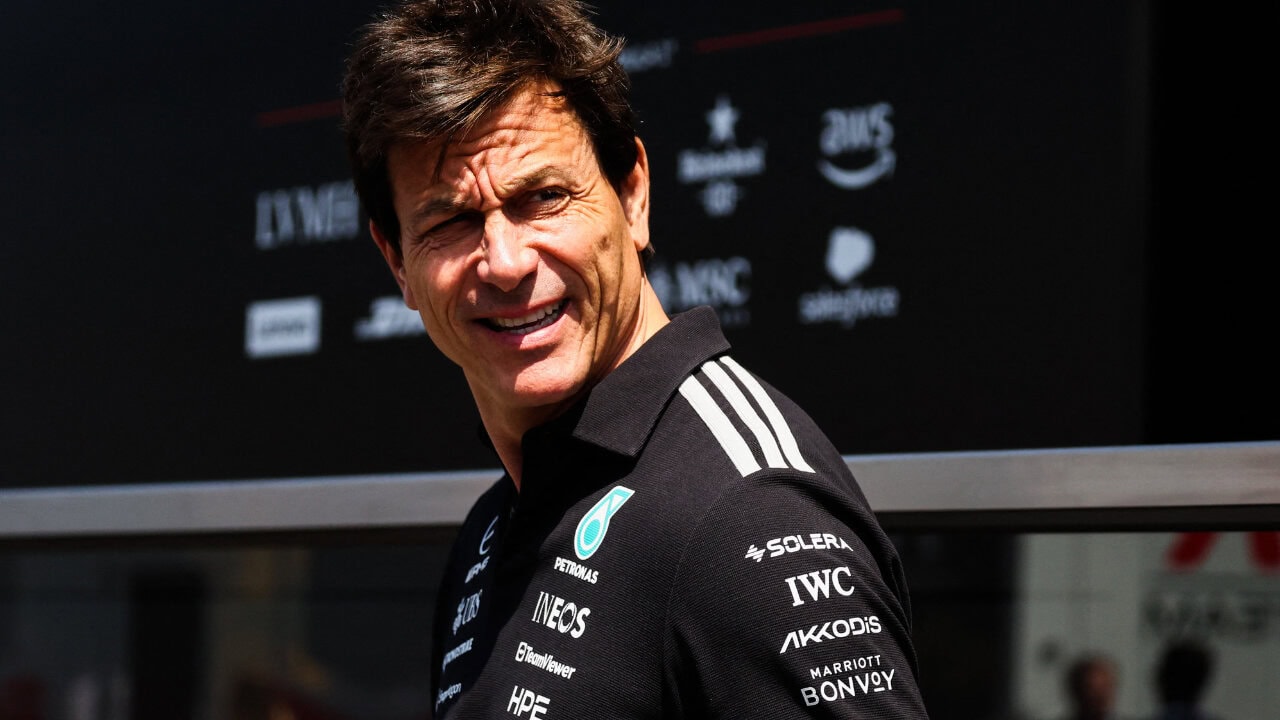
Mercedes team principal Toto Wolff has supported Formula 1’s decision to follow the assessments made by the sport’s authorities.
He said: “I believe you need to trust what the authorities say. You need to rely on the commercial rights holder, that’s F1, and the FIA as our governing body.”
His comments highlight the difference between the championship’s decision to continue racing and an individual’s decision to travel. Wolff also made it clear that Mercedes employees would not face pressure to attend either Qatar or Abu Dhabi.
He added: “We don’t want to oblige anyone. There’s not going to be any sanctions, or so on, on teams.”
Meanwhile, Formula 1 CEO Stefano Domenicali previously confirmed to Canal+ the sport’s position, saying: “Based on the information we have, everything is confirmed for [us to stay in] Qatar and Abu Dhabi.”
However, Max Verstappen expressed a different personal view when discussing the situation with Viaplay. He said, “When there is a war nearby, and if some of the countries are in conflict with each other, then I think we shouldn’t go.”
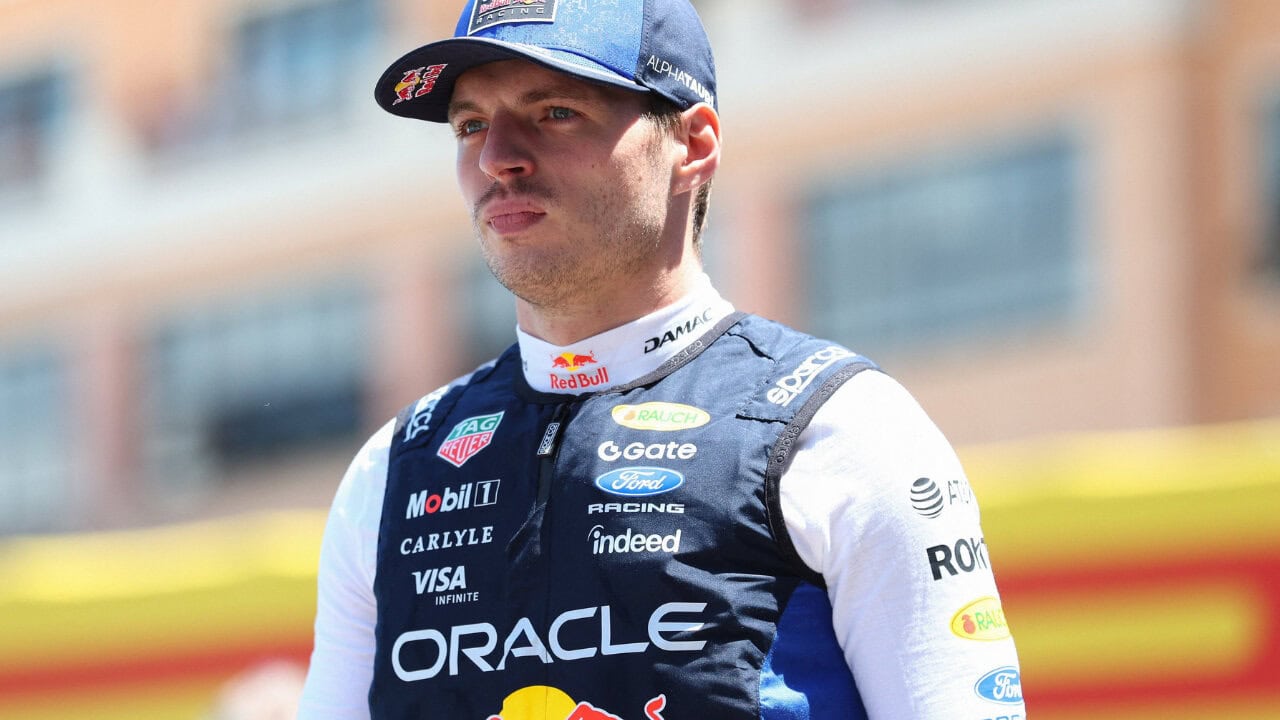
These comments show why the situation remains sensitive, even as the championship prepares to follow its published schedule.
What This Means for the Qatar GP Coverage
The absence of several broadcast crews will change the way viewers receive information throughout the weekend. Studio presenters will have to build their programs around official footage, scheduled interviews, live timing and updates from people working at the circuit.
Breaking news could also take longer to reach remote presenters. A reporter standing in the paddock can approach a team representative immediately, while someone working from Europe may need to wait for an official response or a confirmed video connection.
The final two rounds also bring separate travel decisions. Sky Germany has indicated it expects to return to the paddock for the Abu Dhabi GP, though it will continue to monitor the situation.
More F1 Reading
Comments
More in News

F1 Qatar Grand Prix 2026: How to Watch Live

Toto Wolff Could Be Blocking Kimi Antonelli From Teaming Up With Max Verstappen at Nürburgring 24 Hours

10 Months Into Dating Lewis Hamilton, Kim Kardashian Reveals Relationship ‘Red Flags’
F1 Las Vegas Grand Prix 2026: Winners and Losers
