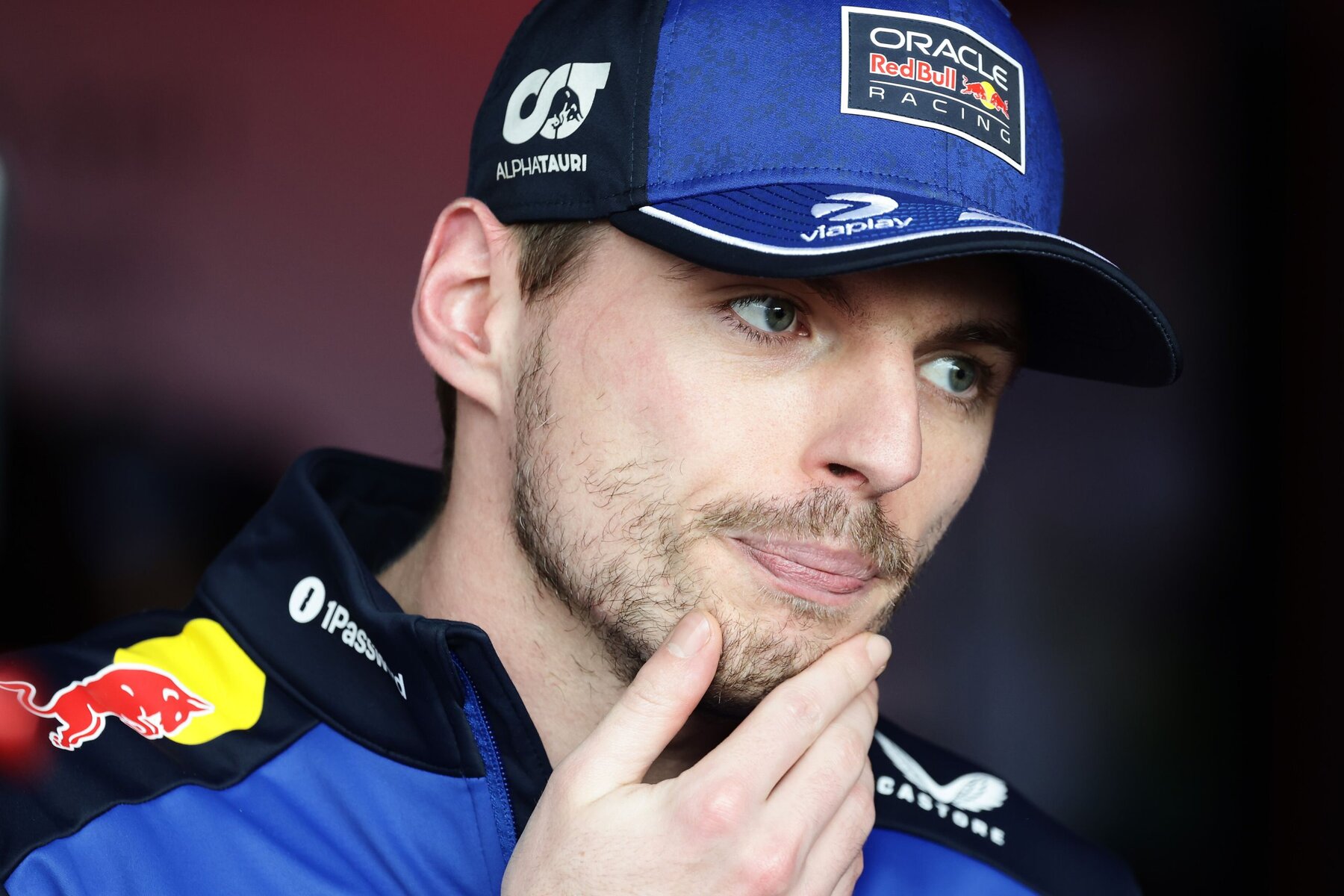
Charles Leclerc Bemoans Strategy Over Bravery
- Charles Leclerc traded the race lead seven times with George Russell in the opening nine laps of the Australian Grand Prix but lost out after Ferrari did not pit during a Virtual Safety Car period that Russell and Mercedes used to jump ahead.
- Leclerc said the new regulations have changed the nature of overtaking in F1, with calculated thinking now playing a greater role than bravery at the braking point, and compared activating the boost mode to using a power-up in Mario Kart.
- George Russell defended the new rules, pointing out that the energy conditions at Albert Park will not be replicated at every circuit and urging drivers to give the regulations more races before drawing conclusions.
Charles Leclerc traded the race lead seven times with George Russell in nine laps, lost the race after a Ferrari pit strategy call went against him, and left Melbourne arguing that Formula 1’s new regulations have changed what overtaking actually requires from a driver.
The Ferrari driver led the race until lap 26 before Ferrari declined to pit during a Virtual Safety Car period. Russell came in, rejoined ahead, and never looked back. The decision handed the race to Mercedes and opened a debate about whether Ferrari had misread the moment.
The racing in the opening laps was unlike anything seen in recent Formula 1. Leclerc and Russell swapped positions repeatedly as both drivers used the new overtake mode, which provides an electric power boost to attack a rival slowing to recover battery charge, only to find themselves on the wrong end of the same tactic moments later. When his engineer informed him mid-lap that he had use of the mode available, Leclerc reduced it to three words.
“This is like the mushroom in Mario Kart.”
The Australian Grand Prix produced 120 on-track passes compared to 45 at the same event in 2025, and F1 pointed to that number as evidence the new rules are delivering on their promise of closer racing. Leclerc acknowledged the volume but said the skill involved in each move had shifted.
“I think that it will definitely change the way we go about racing and overtaking,” he said. “Before, it was more about who is the bravest at braking the latest, maybe now there’s a bit more of a strategic mind behind every move you make.
“Every boost button activation, you know you’re going to pay the price big time after that, and so you always try and think multiple steps ahead to try and end up eventually first. But it’s a different way to go about racing for sure.”
Reaction across the paddock to the new rules has been largely negative, but Albert Park’s layout amplified the limitations more sharply than most circuits will. Approximately 78 percent of the lap is spent at full throttle, with only three hard braking points lasting more than 0.4 seconds anywhere on the circuit. Four individual straights gave drivers multiple windows to deploy battery power but almost no time between them to recover it, creating the relentless cycle of boost and vulnerability that defined how the race played out.
Russell, who won the race, urged against reading too much into one result and pointed to the differences that Shanghai’s International Circuit will present at the season’s second round next weekend.
“I think the interesting thing with these regs is every track we go to, they’re not always going to be like this,” Sunday’s race winner said. “You know, we’re going to Shanghai next where you’ve got one big, long straight, so the majority of drivers will be using their energy on that one straight.
“You don’t need to divide it up between four like you do here in Melbourne. So, everyone’s very quick to criticise things. You need to give it a shot, you know.
“We’re 22 drivers. When we’ve had the best cars and the least tyre degradation is when we’ve been happiest, but everyone [else] moans the racing’s rubbish.
“Now drivers aren’t perfectly happy and everyone said it was an amazing race. So, you can’t have it all, and I think we should just give it a chance and see after a few more races.”
Want more F1Chronicle.com coverage? Add us as a preferred source on Google to your favourites list for the best F1 news and analysis on the internet.
From F1 news to tech, history to opinions, F1 Chronicle has a free Substack. To deliver the stories you want straight to your inbox, click here.
For more F1 news and videos, follow us on Microsoft Start.
New to Formula 1? Check out our Glossary of F1 Terms, and our Beginners Guide to Formula 1 to fast-track your F1 knowledge.

Comments
More in News

‘Either go, or stop talking about it’, Brundle tells Max Verstappen to leave F1 or stop ‘boring’ comments
‘Broken quite a lot of glass’, Wolff downplays blocking Christian Horner’s F1 return but gives warning

‘We’re getting entertained’, Damon Hill explains why ‘tactical’ racing is putting on a show

Mario Kart in Real Life: Why the 2026 Japanese GP Crash is F1’s Ultimate Warning Sign