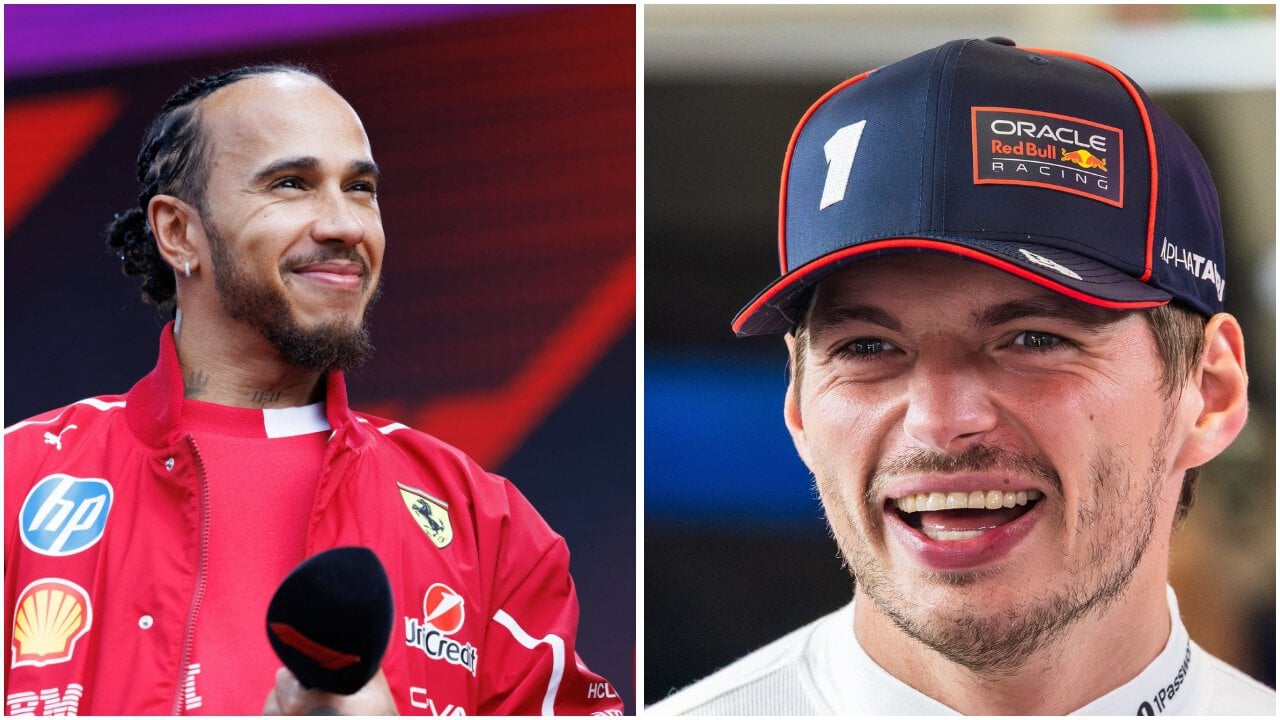

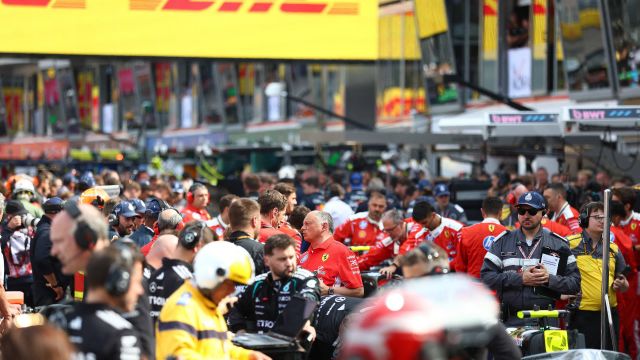
The Las Vegas GP has become a major attraction for Formula 1, bringing international visitors, business opportunities and significant revenue to Southern Nevada.
However, the event also changes how the city operates, with road restrictions and construction affecting everyday activities. With a reported $3.2 billion economic impact since 2023, the question is whether this financial success justifies the inconvenience faced by local communities.
How Much Money Has F1 Generated From Las Vegas GP?
The financial results make a strong case for the Grand Prix. According to the Las Vegas Convention and Visitors Authority (LVCVA), the event generated $3.2 billion in cumulative economic impact between 2023 and 2025.
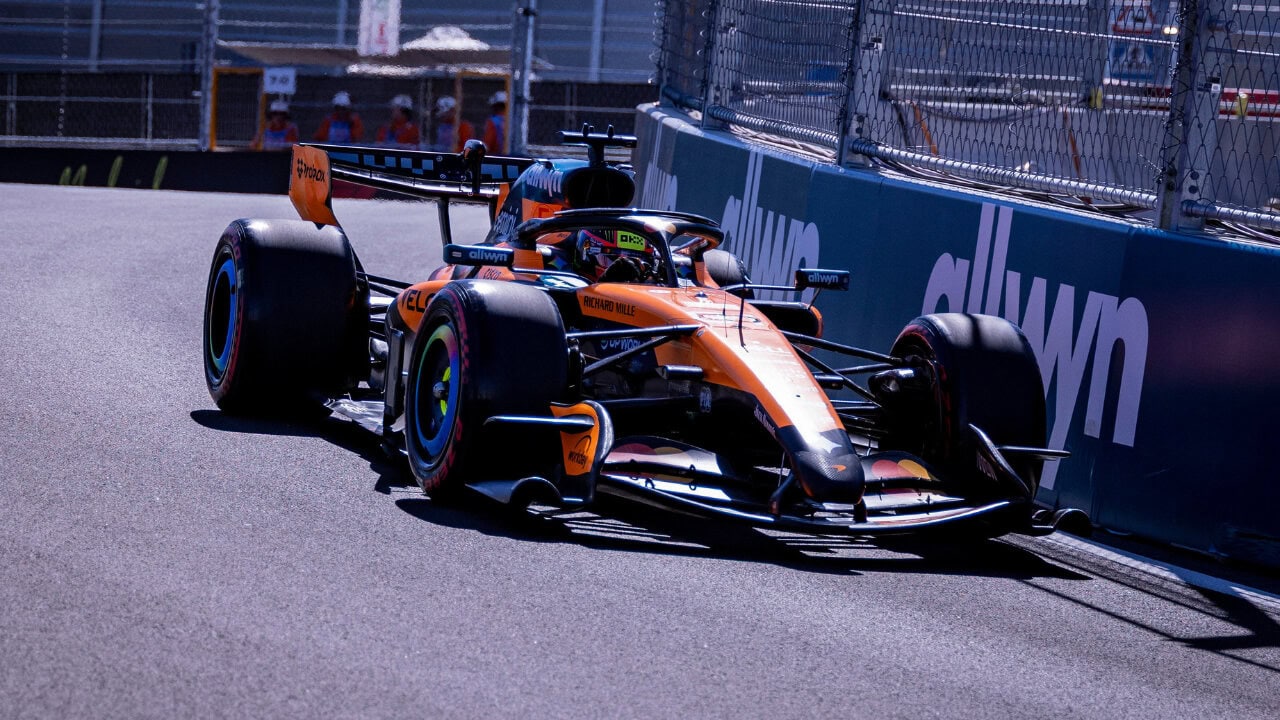
The 2025 edition alone contributed $43 million in state and local tax revenue, including $15 million for local K-12 education.
The race also creates temporary employment opportunities. Based on an AOL report, local contractor Rusty Manes, who helps prepare the circuit, said, “It’s about a week’s worth of work for me. I really appreciate it.” His comment highlights the additional income the Las Vegas GP brings to local workers.
Meanwhile, the sold-out races attract international visitors who spend money on hotels, restaurants and entertainment.
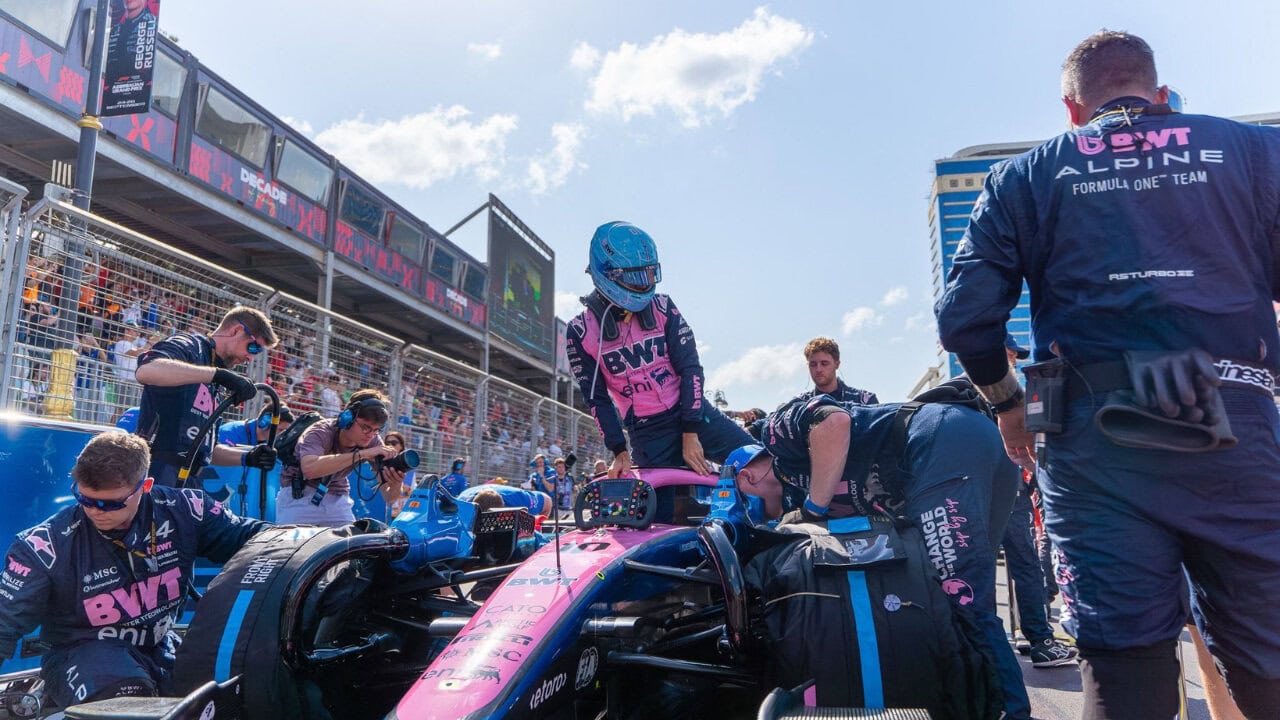
Andrew Woods, Director of the Center for Business and Economic Research at the University of Nevada, Las Vegas, explained this spending trend: “They’re spending money on experiences.”
His observation highlights how major sporting events attract visitors who want entertainment beyond traditional casino activities.
Why Are Locals Still Against the Las Vegas Grand Prix?
Financial success does not mean everyone welcomes the race. Locals have raised concerns about restricted pedestrian bridges, expensive tickets, security arrangements and the growing impact on public spaces.
One Reddit user described the frustration: “I don’t care about watching F1, but I do like to look around.”
The comment reflects a different concern from ticket affordability: residents and tourists want to enjoy the Strip without losing access to familiar public areas.
Traffic creates another problem for people who depend on the affected roads. Locals have to adjust their journeys around circuit restrictions. Some businesses also face reduced customer access during construction.
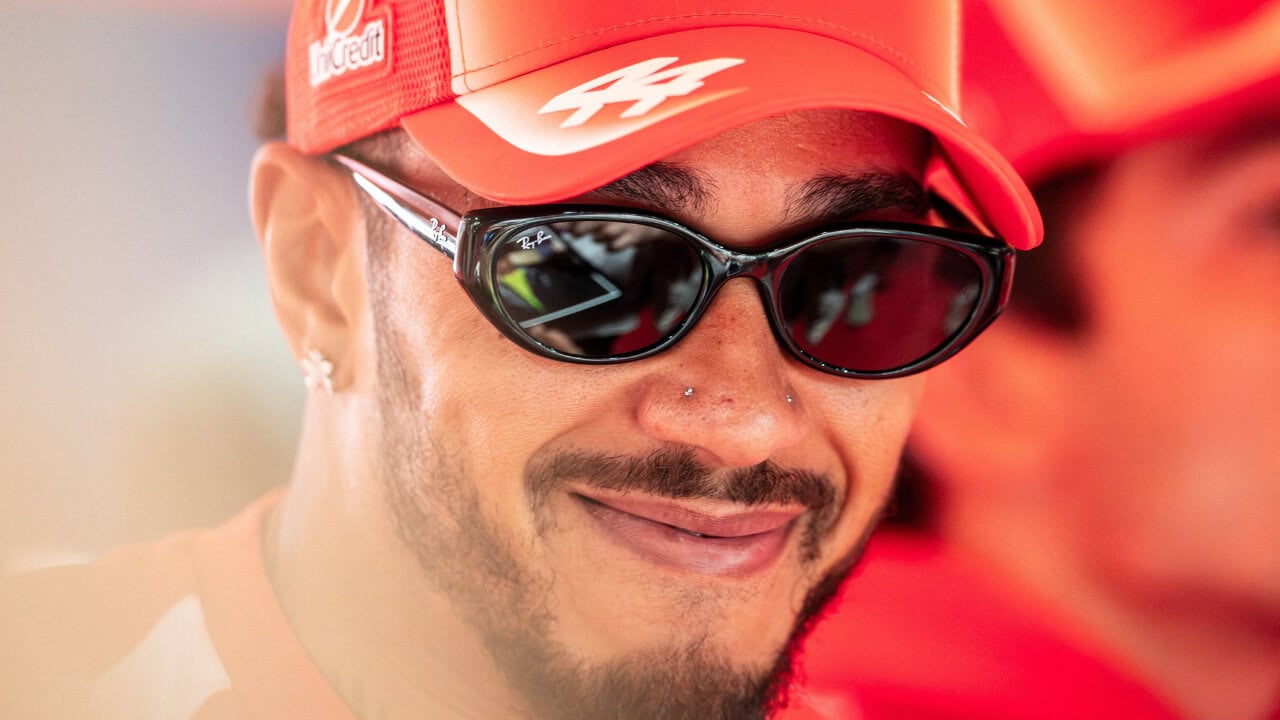
The issue received attention before the inaugural race in 2023. During an interview with Sky Sports F1, Lewis Hamilton urged Formula 1 to respect the people living and working in Las Vegas.
“We can’t be a circus that shows up that’s all glitz and glamor and people are affected negatively by it,” Hamilton said. His comments raised an important point: attracting global attention should not come at the expense of the people who keep Las Vegas running.
Is Las Vegas GP Making Changes to Reduce Disruption?
There are signs of improvement. The initial circuit construction in 2023 took almost seven months, while officials have since worked to reduce preparation time.
Terry Miller, Las Vegas Grand Prix General Manager, explained the progress: “This track has held up better than any of the engineers thought it would.”
This matters because Formula 1 will not need to repeat the same full resurfacing process. According to The Nevada Independent, the installation period for a temporary overpass at Koval Lane and Flamingo Road has also been reduced from 10 days to five.
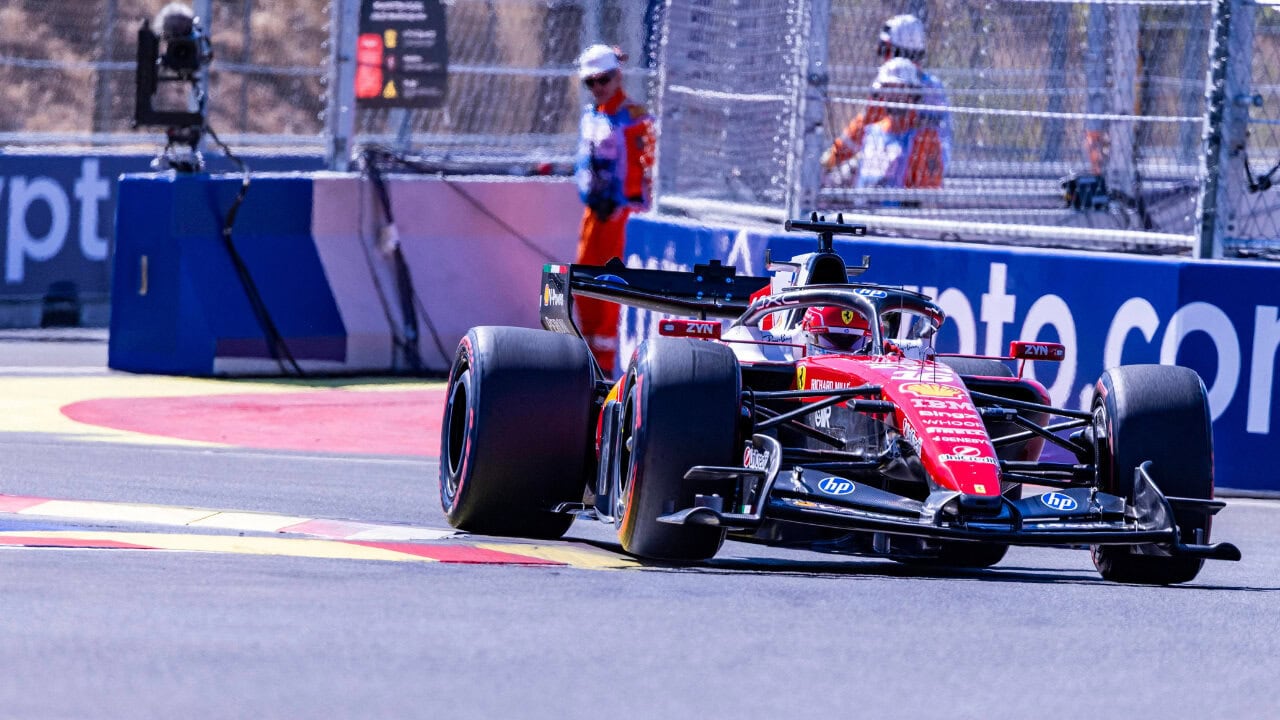
Officials are also exploring more permanent infrastructure to reduce repeated construction. These changes could make future editions easier for residents and businesses to manage.
Is the $3.2 Billion Impact Worth It?
Formula 1 has secured a 10-year contract extension, keeping the Las Vegas GP on the calendar through 2037. The decision reflects the event’s commercial value and its ability to attract international attention.
However, the financial figures alone cannot settle the debate. The race must deliver benefits beyond major resorts and event partners. Smaller businesses, local workers, and residents should also benefit from the positive economic impact.
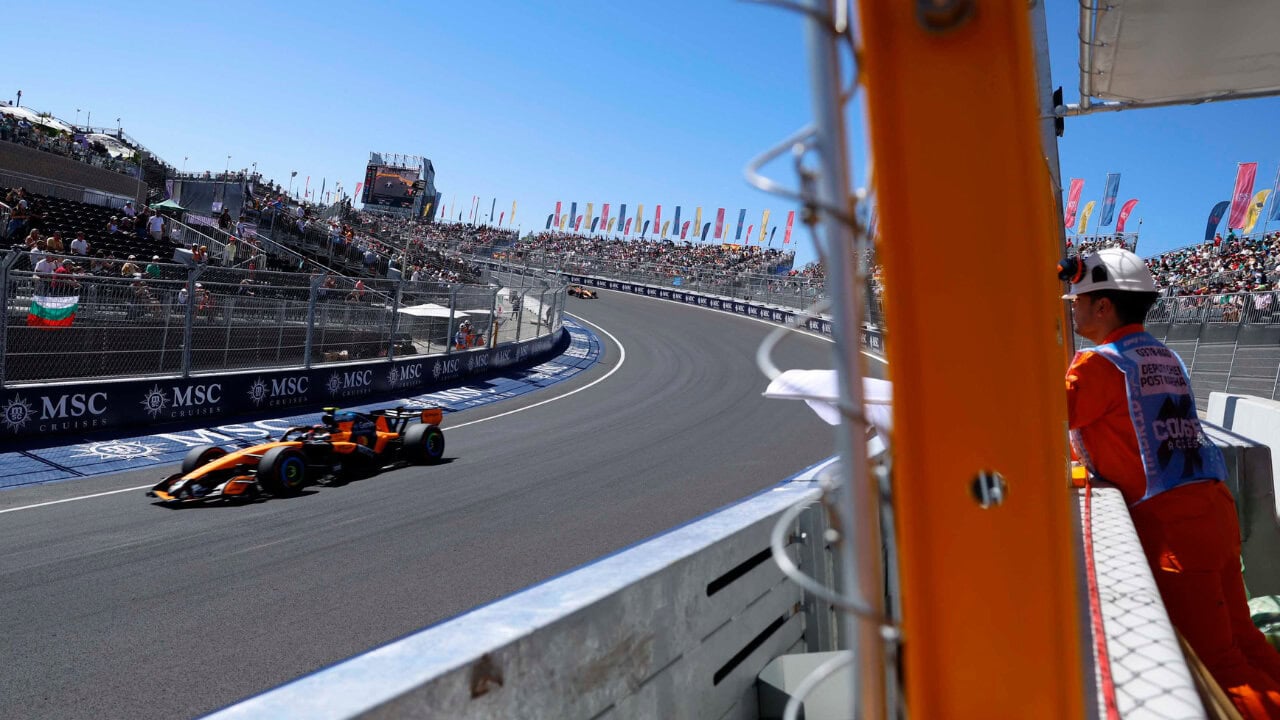
All eyes will be on Sunday’s race and the financial results it delivers, as well as whether the event can maintain its economic success without adding to the challenges faced by local communities.
More F1 Reading
- $2K Satin Top, $138K White Gold Watch: What Kelly Piquet Wore at F1 Academy Party Hosted by Apple TV
- ‘Someone Needs To Stand up to This Guy’: George Russell Slams Max Verstappen After Las Vegas FP3 Clash
- Lewis Hamilton vs Max Verstappen: Which F1 Champion Has a Bigger, Better Car Collection?
- Why Is Kimi Antonelli Starting Sixth at the Las Vegas GP After Taking Pole?
Comments
More in News
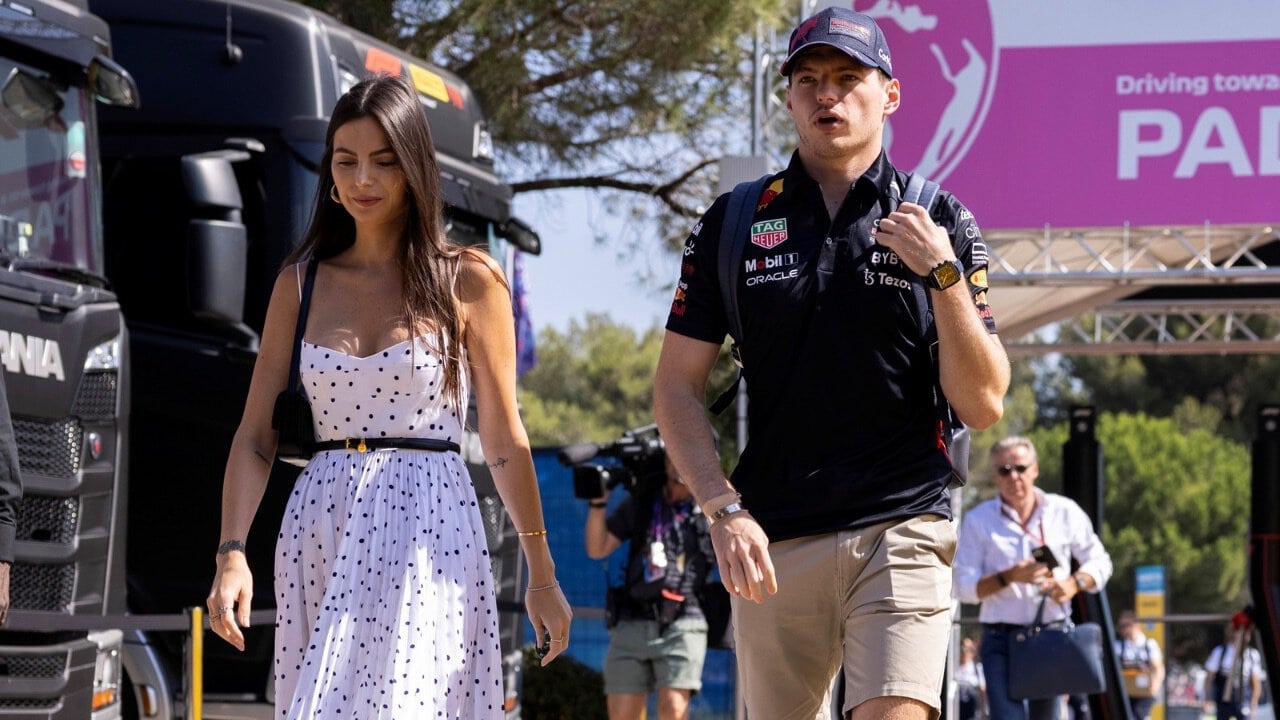
$2K Satin Top, $138K White Gold Watch: What Kelly Piquet Wore at F1 Academy Party Hosted by Apple TV
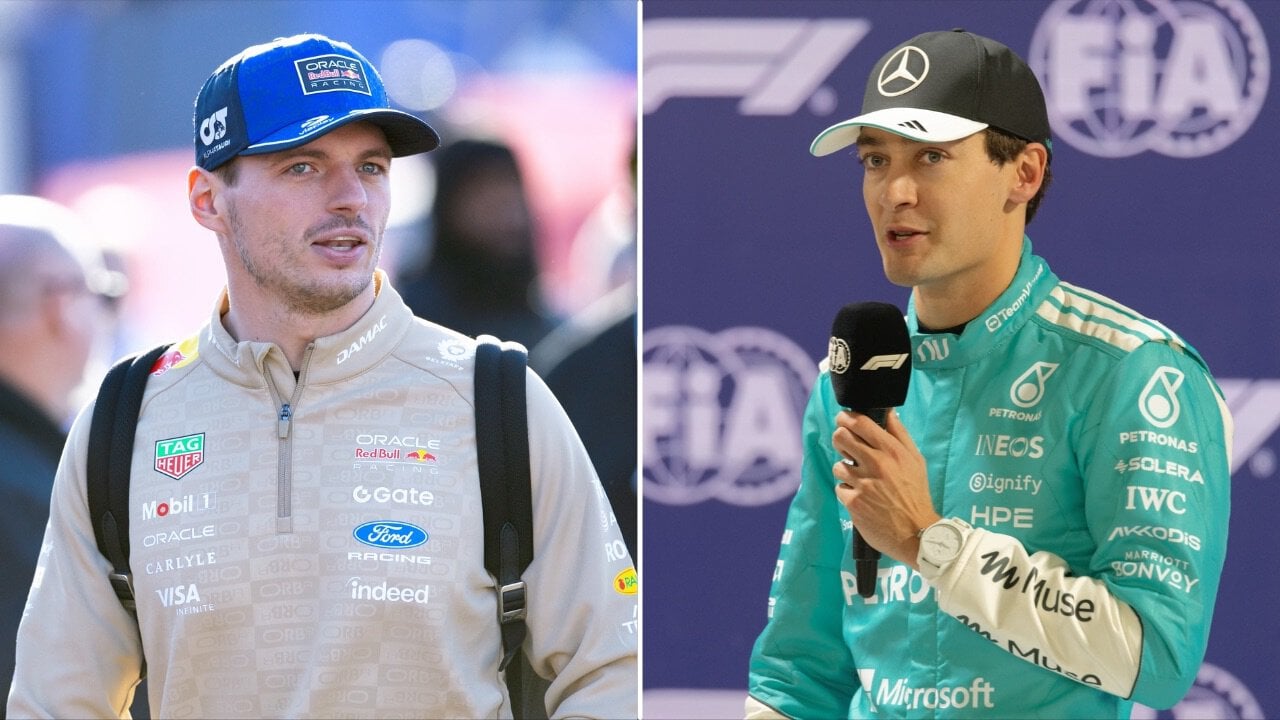
‘Someone Needs To Stand up to This Guy’: George Russell Slams Max Verstappen After Las Vegas FP3 Clash

Why Is Kimi Antonelli Starting Sixth at the Las Vegas GP After Taking Pole?

94 Points Behind His Teammate, Oscar Piastri Admits F1 2026 Has Been Tougher Than Expected